
Treatment Overview
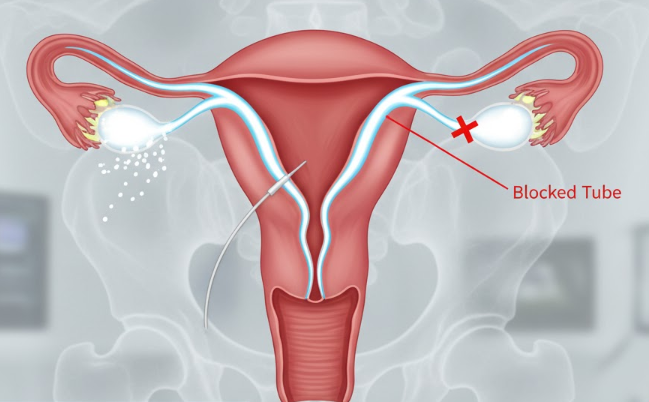
Hysterosalpingography (HSG) is a specialized X-ray procedure used to assess the uterus and fallopian tubes, which play a crucial role in successful conception and pregnancy maintenance. The test involves injecting a contrast dye through the cervix into the uterine cavity and tubes while capturing X-ray images to detect blockages, structural abnormalities, or uterine defects that may cause infertility or recurrent pregnancy loss (RPL).
In Korea, HSG is performed in advanced fertility and diagnostic imaging centers using digital fluoroscopy, low-radiation equipment, and high-resolution imaging systems that provide detailed visualization with maximum comfort and safety.
Purpose & Benefits
The main purpose of HSG is to identify anatomical and structural abnormalities that may interfere with implantation or cause miscarriage.
Key benefits include:
- Detecting uterine issues such as septum, fibroids, adhesions, or scar tissue.
- Checking for fallopian tube blockages or tubal damage, which can lead to ectopic pregnancy or infertility.
- Helping doctors plan appropriate treatments such as tubal surgery or hysteroscopic correction.
- Sometimes improving fertility by “flushing” the tubes during the procedure.
- Providing clear, real-time insights into uterine cavity shape and tubal patency.
Korean fertility specialists often combine HSG with ultrasound or hysteroscopy for a more complete evaluation of the reproductive system.
Ideal Candidates
HSG is recommended for:
- Women with recurrent pregnancy loss or infertility of unknown cause.
- Patients with irregular uterine shape, suspected fibroids, or uterine septum.
- Women with a history of pelvic infections, endometriosis, or tubal surgery.
- Couples planning IVF or ICSI treatments.
- Patients with unexplained ectopic pregnancies or prior miscarriages.
It is typically performed early in the menstrual cycle (between days 6 and 11) when pregnancy is not present.
Possible Risks & Complications
HSG is a safe procedure but may cause temporary discomfort or mild reactions. Possible risks include:
- Cramping during or after dye injection.
- Light vaginal spotting for a day or two.
- Rare allergic reaction to contrast dye.
- Infection if strict aseptic technique is not followed.
- Very rare uterine or tubal perforation.
Korean clinics follow advanced sterilization protocols and use gentler, low-pressure contrast injection methods to minimize risks and discomfort.
Techniques Used
Modern Korean fertility centers use:
- Digital Fluoroscopic HSG: Real-time X-ray imaging for dynamic uterine and tubal visualization.
- Oil-Based or Water-Based Contrast Media: Selected based on patient profile; oil-based contrast may have fertility-enhancing effects.
- Pain-Minimization Techniques: Local anesthetic gels, smooth catheters, and patient monitoring for comfort.
- 3D Hysterosalpingography: Advanced imaging reconstruction for detailed evaluation of complex uterine anomalies.
- Ultrasound-Guided HSG (Sonohysterography): For patients requiring radiation-free alternatives.
Korea’s fertility imaging facilities use low-dose radiation equipment, ensuring safety while maintaining diagnostic precision.
Recovery & Aftercare
Most patients resume normal activities on the same day.
Aftercare includes:
- Mild cramping relief with over-the-counter pain medication.
- Avoiding intercourse or tampon use for 24–48 hours to prevent infection.
- Monitoring for unusual discharge, fever, or pain.
- Reviewing results with a fertility specialist within a few days.
Some patients experience a mild increase in fertility after HSG, especially when oil-based contrast is used, due to the mechanical flushing effect on the tubes.
Results & Longevity
- HSG results immediately reveal whether the tubes are open and the uterine cavity is normal.
- Blockages or abnormalities identified can be treated surgically or with fertility interventions.
- A normal HSG result is reassuring and typically valid for several months to a year unless new issues arise.
- The information aids long-term fertility planning and personalized treatment strategy.
Korean diagnostic centers provide comprehensive reports with image documentation, allowing seamless integration into fertility care plans.
Treatment Process in Korea
The process typically includes:
- Pre-Procedure Consultation: Review of menstrual cycle and fertility history.
- Preparation: Scheduling early in the cycle; mild sedation or pain relief if needed.
- Procedure: Injection of contrast dye and fluoroscopic imaging of uterus and tubes.
- Observation: Real-time images displayed for patient and doctor.
- Post-Test Review: Specialist explains findings and discusses treatment options.
Why Korea is a Top Destination:
- Highly trained fertility radiologists and reproductive specialists.
- Access to digital HSG technology with minimal discomfort.
- Integration of imaging with full fertility and IVF programs.
- Exceptional infection control and patient comfort standards.
- Affordable, transparent pricing and rapid result turnaround.
Korea’s fertility diagnostic infrastructure makes HSG both accessible and highly reliable for women evaluating causes of recurrent pregnancy loss.
Cost Range
The cost of HSG in Korea varies depending on the facility and whether advanced 3D or ultrasound guidance is used:
- Standard Digital HSG: USD 200 – 400
- 3D or Fluoroscopic HSG with Contrast: USD 400 – 700
- Sonohysterography (Ultrasound-Based): USD 300 – 600
- Comprehensive Fertility Evaluation Package: USD 700 – 1,200
HSG is often included as part of infertility or recurrent pregnancy loss diagnostic bundles in Korean fertility centers.
Popular Clinics
Top fertility and women’s hospitals in Korea offering HSG as part of reproductive diagnostics include:
- CHA Fertility Center (Seoul): Integrates imaging, fertility evaluation, and treatment.
- Maria Fertility Hospital: Offers advanced HSG and recurrent miscarriage testing.
- MizMedi Women’s Hospital: Specializes in comprehensive fertility diagnostics and treatment planning.
- GynART Reproductive Center: Known for precision imaging and integrated fertility management.
- Seoul National University Hospital: Provides high-resolution imaging with expert fertility teams.
Combined Approach: Endometrial Receptivity & HSG in Recurrent Loss
For women with recurrent pregnancy loss, combining HSG and Endometrial Receptivity Analysis (ERA) provides a complete picture of both uterine structure and function.
- HSG identifies physical or anatomical abnormalities, such as blocked tubes or uterine septa.
- ERA evaluates the molecular readiness of the endometrium for implantation.
Korean fertility centers often perform both tests sequentially to ensure that both mechanical and biological factors contributing to pregnancy loss are thoroughly addressed, leading to more successful treatment outcomes and sustained pregnancies.


