
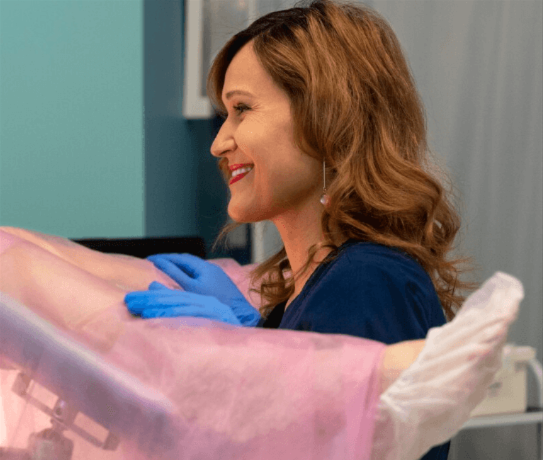
Treatment Overview
Hysteroscopic Polyp Excision is a highly advanced minimally invasive surgical procedure used to remove endometrial (uterine) polyps from the inner lining of the uterus. These benign growths often cause irregular bleeding, spotting, or infertility. Using a hysteroscope — a thin, lighted endoscopic instrument — doctors can directly visualize and precisely excise the polyp through the vagina and cervix, eliminating the need for any external incision.
In Korea, this procedure is part of the Women’s Health / OBGYN – Surgical Gynecology specialty. Korean hospitals are known for their use of high-definition hysteroscopic systems, laser and bipolar energy devices, and fertility-preserving techniques, ensuring exceptional precision, minimal discomfort, and quick recovery.
Purpose & Benefits
- Removes uterine polyps that cause abnormal bleeding, pelvic pain, or infertility.
- Restores normal uterine function and improves reproductive outcomes.
- Allows for tissue biopsy to rule out precancerous or cancerous changes.
- Minimally invasive – no cuts, stitches, or visible scars.
- Short recovery time, often as a day-surgery procedure.
- Reduces risk of recurrence when the entire polyp and its base are removed.
Ideal Candidates
- Women diagnosed with endometrial or cervical polyps through ultrasound or hysterosonography.
- Patients with abnormal uterine bleeding, heavy periods, or postmenopausal spotting.
- Women undergoing fertility treatment (IVF/IUI) where polyps may interfere with implantation.
- Patients with recurrent polyps or hormone-related uterine changes.
- Postmenopausal women requiring polyp removal for diagnosis and symptom relief.
Possible Risks & Complications
Hysteroscopic Polyp Excision is generally safe, but as with any surgical procedure, a few risks may occur:
- Mild cramping or spotting after surgery.
- Temporary vaginal bleeding.
- Infection or uterine inflammation (rare).
- Uterine perforation (very rare in experienced hands).
- Fluid overload from distention medium (rare, well monitored).
- Possible recurrence if hormonal imbalance persists.
Surgical Techniques Used
Korea’s advanced medical system incorporates the latest innovations in hysteroscopic surgery, focusing on precision, safety, and fertility preservation.
- Standard Hysteroscopic Resection: Using an electric loop to remove polyps under direct visualization.
- Cold Loop / Mechanical Excision: Performed without heat to protect the endometrium, ideal for women planning pregnancy.
- Bipolar / Monopolar Energy Systems: Provide controlled cauterization to minimize bleeding and ensure complete removal.
- Hysteroscopic Morcellation (Tissue Shaver Systems): Simultaneously cuts and aspirates the polyp, reducing surgery time and risk.
- Laser-Assisted Hysteroscopy: Utilized in premium Korean hospitals for high precision and minimal tissue trauma.
- Saline Distension System: Expands the uterine cavity for clear visualization during the procedure.
Recovery & Aftercare
- The procedure typically takes 15–30 minutes and is done as day surgery.
- Most patients rest for a few hours and can go home the same day.
- Mild cramping or light bleeding may occur for 2–3 days.
- Avoid intercourse, tampons, and heavy activity for about a week.
- Pain medication or antibiotics may be prescribed as needed.
- Follow-up visit within 7–10 days for healing check and pathology review.
- Most women can resume normal routines within 24–48 hours.
Results & Longevity
- Rapid improvement in symptoms like irregular bleeding or pain.
- Restores a healthy uterine environment, improving fertility potential.
- Long-term symptom relief when the entire polyp base is removed.
- Minimal recurrence rate in specialized centers using advanced techniques.
- High patient satisfaction due to comfort, precision, and natural recovery.
Treatment Process in Korea
Korea is globally recognized for its world-class gynecologic surgery systems and patient-centered medical tourism programs. The country’s hospitals and women’s clinics integrate advanced imaging, AI diagnostics, and modern hysteroscopic technologies to deliver superior outcomes.
Most advanced and popular surgical techniques performed in Korea:
- 3D and high-definition hysteroscopy for accurate diagnosis and precise excision.
- Bipolar electrosurgical systems ensuring safety and minimal bleeding.
- AI-assisted imaging software in select hospitals for precise lesion mapping.
- Tissue Morcellation systems for faster, safer, and more complete removal.
- Laser hysteroscopy for fertility-focused patients with delicate uterine linings.
Unique Korean methods or technology:
- One-day comprehensive surgical system – consultation, imaging, procedure, and recovery within a single day.
- Fertility-focused hysteroscopic protocols that preserve the endometrial structure.
- Pain-free sedation techniques and advanced anesthesia systems for comfort.
- International patient services with English-speaking coordinators and follow-up care.
Why Korea is considered a top destination for this surgery:
- Highly experienced gynecologic endoscopists with global training.
- Leading hospitals equipped with 4K / 3D hysteroscopic visualization systems.
- Efficient scheduling, short hospital stays, and high-quality aftercare.
- Affordable pricing compared to Western countries with equal or superior standards.
- Excellent track record in fertility-preserving surgical success.
Cost Range
The cost of Hysteroscopic Polyp Excision in Korea depends on the hospital, technology, and complexity:
- Typical Range: USD 2,000 – 5,000
- Simple Polyp Removal (Outpatient): USD 800 – 1,500
- Comprehensive Package (Anesthesia, Pathology, Follow-Up): USD 3,000 – 6,000
- Laser-Assisted or Morcellation Procedures: USD 4,000 – 7,000
Korean hospitals provide transparent package pricing that includes consultation, surgery, anesthesia, pathology testing, and post-procedure care. Patients traveling from abroad often receive bundled medical tourism packages that include translation and accommodation support.
Popular Clinics with Advanced Hysteroscopic Polyp Excision in Korea
- Seoul Miz Hospital – Specialized in hysteroscopic and fertility-preserving uterine surgeries.
- MizMedi Hospital (Seoul) – Known for advanced hysteroscopic systems and reproductive surgery excellence.
- Yoonho OB/GYN Hospital (Gangnam) – Offers one-day polyp removal using modern endoscopic technologies.
- Gangnam Women’s Clinic – Focuses on minimally invasive hysteroscopy and reproductive health care.
- Kyung Hee University Hospital at Gangdong – University-based medical center with leading OBGYN specialists.
- Asan Medical Center – Korea’s top-tier tertiary hospital offering high-precision hysteroscopic procedures.
- Samsung Medical Center (Seoul) – Globally recognized for advanced gynecologic surgery and innovative endoscopic care.


