
Treatment Overview
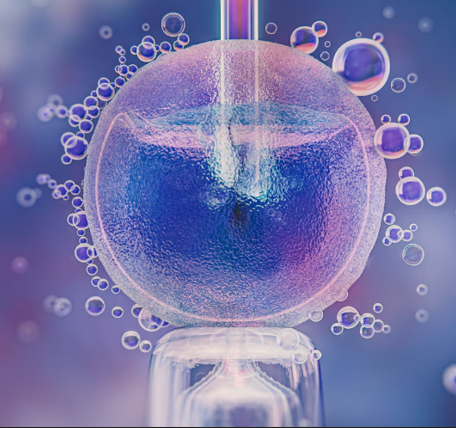
In Vitro Fertilization (IVF) in Korea is one of the most advanced and effective fertility treatments for women with Polycystic Ovary Syndrome (PCOS). PCOS often causes irregular ovulation, hormonal imbalances, and difficulties with natural conception. IVF helps bypass these challenges by retrieving mature eggs from the ovaries, fertilizing them in a laboratory, and transferring healthy embryos into the uterus.
Korea’s fertility centers are internationally renowned for their cutting-edge reproductive technologies, modern embryology laboratories, and high clinical success rates. The combination of advanced medical expertise, personalized care, and affordable costs has positioned Korea as one of the top destinations for fertility treatments worldwide.
Purpose & Benefits
The main purpose of IVF for PCOS-related infertility is to achieve successful fertilization and pregnancy when natural or medication-based ovulation is not effective.
Key benefits include:
- Enables conception even when ovulation is irregular or absent
- Offers precise control over egg retrieval and fertilization
- Allows preimplantation genetic testing for healthy embryos
- Reduces the risk of multiple pregnancies compared to high-dose medication cycles
- Increases success rates in women who have not responded to ovulation induction or IUI
- Provides opportunities for embryo freezing for future use
Korean fertility specialists tailor IVF protocols for PCOS patients to minimize complications such as ovarian hyperstimulation syndrome (OHSS) while maximizing egg quality and pregnancy potential.
Ideal Candidates
IVF treatment is ideal for:
- Women with PCOS who do not ovulate despite medication therapy
- Patients with failed cycles of clomiphene citrate, letrozole, or IUI
- Women with hormonal or metabolic disorders affecting ovulation
- Couples facing additional male factor infertility
- Women with blocked fallopian tubes or endometrial abnormalities
- Patients seeking advanced fertility care with high success rates
Korean clinics use detailed hormone profiling and imaging to determine whether IVF is the most effective treatment option for each individual.
Possible Risks & Complications
IVF is a safe and well-established procedure, but potential risks include:
- Ovarian Hyperstimulation Syndrome (OHSS), especially in PCOS patients
- Temporary bloating or abdominal discomfort after egg retrieval
- Multiple pregnancies if more than one embryo is transferred
- Mild mood changes or fatigue due to hormone medication
- Rare complications such as bleeding or infection after retrieval
Korean fertility centers specialize in mild stimulation protocols and close hormonal monitoring to prevent these risks and ensure patient safety.
Techniques & Methods Used
Korea’s IVF programs use the most advanced reproductive technologies and laboratory methods.
Standard IVF Process:
- Ovarian Stimulation:
Low-dose gonadotropin injections are administered for 8–12 days to stimulate the ovaries to produce multiple eggs. - Egg Retrieval:
Mature eggs are collected through a minimally invasive procedure under ultrasound guidance. - Fertilization:
Retrieved eggs are fertilized in a laboratory using conventional IVF or Intracytoplasmic Sperm Injection (ICSI). - Embryo Culture:
Embryos are cultured and monitored for 3–5 days to assess quality and development. - Embryo Transfer:
A selected high-quality embryo is transferred into the uterus during the optimal implantation window. - Cryopreservation:
Additional embryos can be frozen for future use using vitrification technology.
Korean clinics also offer Preimplantation Genetic Testing (PGT) to ensure genetic health before implantation, increasing success rates for patients with recurrent failures or genetic risks.
Recovery & Aftercare
Recovery after IVF is generally smooth and requires minimal downtime.
- Most patients return to normal activities within 24 hours after egg retrieval.
- Mild bloating or cramping may occur for a few days.
- Hormonal support (progesterone or estrogen) is prescribed to promote implantation.
- Patients are advised to rest, eat nutrient-rich foods, and avoid strenuous activities.
Aftercare includes:
- Follow-up blood tests to confirm pregnancy 10–14 days after embryo transfer.
- Ultrasound monitoring to ensure healthy early pregnancy development.
- Emotional and nutritional support to maintain wellness during treatment.
Korean fertility centers emphasize holistic aftercare combining modern medicine, nutrition, and psychological well-being.
Results & Longevity
IVF in Korea provides exceptional success rates due to advanced medical techniques and expert embryology practices.
Typical outcomes include:
- Ovulation and egg retrieval success rates of over 90%
- Pregnancy rates between 50–70% for women under 35 with PCOS
- Improved embryo quality through optimized hormonal control
- Lower miscarriage rates due to precise embryo selection
- Cryopreserved embryos remain viable for many years
Results depend on patient age, hormonal balance, and the number of treatment cycles. With proper management, PCOS patients often experience long-term improvement in fertility and hormonal health.
Treatment Process in Korea
Korea’s IVF treatment process is comprehensive, precise, and patient-centered.
- Initial Consultation & Evaluation:
Hormone testing, ovarian ultrasound, and medical history review to create a customized fertility plan. - Controlled Ovarian Stimulation:
Mild-stimulation IVF is often used for PCOS patients to reduce the risk of OHSS. - Egg Retrieval:
Performed under light anesthesia with minimal discomfort. - Fertilization & Embryo Culture:
Fertilization occurs in high-grade laboratories, followed by embryo monitoring. - Embryo Transfer:
A single or dual embryo transfer is performed based on age and embryo quality. - Luteal Phase Support & Monitoring:
Hormonal support continues for 10–14 days until a pregnancy test is conducted.
Why Korea is a Top Destination
Korea is a global leader in fertility care due to its advanced reproductive technology, experienced specialists, and patient-centered approach. Korean fertility clinics combine innovation, efficiency, and holistic care to deliver exceptional outcomes for both domestic and international patients.
Key advantages include:
- Highly skilled reproductive endocrinologists and embryologists
- State-of-the-art IVF laboratories and cryopreservation systems
- Low complication rates and high pregnancy success rates
- Affordable treatment compared to Western countries
- Integrated programs combining modern medicine and traditional Korean therapies for hormonal balance
Korea’s strong focus on research and precision medicine ensures consistently high standards of reproductive healthcare.
Cost Range
The cost of IVF in Korea depends on the clinic, treatment complexity, and additional procedures.
Typical price range:
- Initial consultation and diagnostic testing: ₩200,000–₩500,000
- Ovarian stimulation and medication: ₩1,000,000–₩2,500,000
- Egg retrieval and fertilization: ₩3,000,000–₩5,000,000
- Embryo transfer and follow-up: ₩1,000,000–₩2,000,000
- Complete IVF cycle (including medications and procedures): ₩5,000,000–₩10,000,000 per cycle
- Optional PGT or embryo freezing may increase total cost.
Korean fertility treatments remain cost-effective while maintaining exceptional quality and outcomes.
Popular Clinics in Korea
- CHA Fertility Center, Seoul: Globally recognized for excellence in IVF and reproductive medicine.
- MizMedi Women’s Hospital: Specializes in PCOS management, IVF, and high-quality embryo culture.
- Maria Fertility Hospital: Known for high IVF success rates and advanced lab facilities.
- Ewha Womans University Medical Center: Offers comprehensive fertility and women’s hormonal health programs.
- Banobagi Women’s Clinic: Integrates Western fertility medicine with holistic Korean therapies.
- Seoul National University Hospital Fertility Center: A leader in reproductive endocrinology and IVF research.


