
Treatment Overview
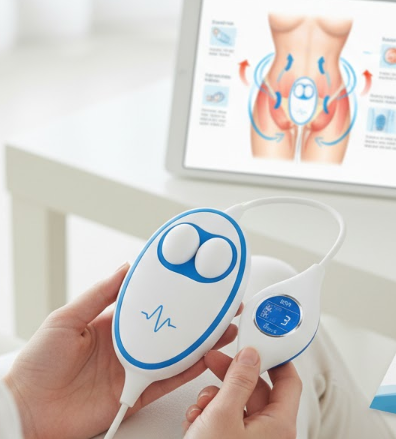
The Incontinence Relief Kegel Device in Korea is a sophisticated device-assisted tool used for women’s health and pelvic floor & urogynecology care. This device is designed to support pelvic-floor muscle training (Kegel exercises) with added feedback, targeted muscle activation, and often electrical or pressure‐based assistance aimed at reducing urinary leakage. In Korean clinics, the device is integrated into pelvic-floor therapy programmes alongside supervised physical therapy, core/posture retraining, and lifestyle modification. These devices help women engage and strengthen the pelvic-floor muscles more effectively than exercises alone, especially when incontinence (urinary or mixed) is present.
Purpose & Benefits
The primary purpose of the Incontinence Relief Kegel Device is to boost pelvic‐floor muscle strength, endurance and neuromuscular control in women who suffer from urinary incontinence. Benefits include:
- Improved ability to contract and relax pelvic‐floor muscles with correct form.
- Fewer episodes of urine leakage (stress, urge or mixed incontinence).
- Better support of pelvic organs and improved bladder control.
- Increased confidence in physical activity, lifting, exercising without leakage.
- Enhanced motivation and training adherence due to measurable feedback from the device.
In Korea, device-assisted programmes are regarded as a potent adjunct to traditional Kegel training, particularly when muscle awareness or activation is limited.
Ideal Candidates
This therapy device is ideal for women who:
- Experience urine leakage during coughing, sneezing, lifting or exercise.
- Have urinary urgency or mixed incontinence and weakened pelvic‐floor muscles.
- Struggle to engage pelvic‐floor muscles properly with standard Kegel exercises.
- Are postpartum, post-surgery or menopausal with pelvic‐floor weakness and require a more supported training method.
- Prefer a technology-enhanced rehabilitation pathway supported by a Korean pelvic‐floor physical therapy clinic.
Possible Risks & Complications
Risks with using an incontinence relief Kegel device are relatively low but important to consider:
- Temporary soreness or fatigue in pelvic‐floor or core muscles as they are newly activated.
- Discomfort or incorrect muscle recruitment if the device is used without proper supervision (leading to hip/gluteal compensation rather than pelvic‐floor activation).
- If underlying structural conditions (such as advanced prolapse or major ligament damage) exist and go unaddressed, reliance solely on a device may delay necessary diagnosis or intervention.
- Hygiene concerns or mild irritation may occur with internal probe devices if not maintained properly.
Supervision by a qualified pelvic‐floor therapist is key to safe and effective use.
Device Features & Integration
Typical incontinence relief Kegel devices used in Korea may include: internal vaginal probes with pressure or EMG sensors, external belts or pads, smartphone or tablet apps showing real-time contraction data, guided exercise programmes, progress tracking, feedback prompts, and supervised clinic sessions followed by at-home use. In Korean pelvic‐floor therapy programmes, clinics introduce the device under supervision, then prescribe a home device-use schedule, track progress via the monitoring app/data, and integrate device feedback into broader physical therapy (core stability, posture, movement training). The integration accelerates muscle retraining, gives objective measurement, and aligns rehab with functional daily tasks.
Recovery & Aftercare
The therapy process begins with an assessment of pelvic-floor strength, muscle coordination and incontinence symptoms at the clinic. Device-assisted sessions typically occur 1–2 times per week for several weeks (commonly 4-8 weeks) under supervision. After this initial phase, patients continue device-guided training at home, paired with pelvic‐floor exercises, core/posture work, lifestyle counselling (fluid/voiding habits, lifting mechanics) and periodic clinic reassessment. Maintenance use of the device may continue at lower frequency to sustain gains. Aftercare focuses on integrating pelvic-floor control into daily activities, preventing recurrence of leakage, and monitoring for signs of structural issues.
Results & Longevity
When used correctly within a comprehensive pelvic‐floor rehabilitation plan, these devices lead to stronger pelvic floor contractions, improved coordination, fewer leakage episodes, better functional movement (lifting, exercising, daily tasks) and increased confidence. Longevity of results depends on patient adherence to home-use, lifestyle factors (weight, heavy lifting, chronic cough), presence/management of structural support issues and periodic follow-up. Korean clinics emphasise maintenance protocols and data-tracking via the device to sustain long-term benefits.
Cost Range
Estimated cost ranges in Korea for programmes involving incontinence relief Kegel devices are:
- Initial consultation/assessment and first supervised device session: approximately ₩ 50,000 to ₩ 100,000 (roughly USD 40-75).
- Each supervised device-training session: around ₩ 70,000 to ₩ 150,000 (USD 50-110).
- Package programmes (e.g., 8-10 sessions including device use + home plan): about ₩ 560,000 to ₩ 1,200,000 (USD 415-900).
Additional costs may include home-device purchase, diagnostic tests, and international-patient services.
Best Clinics in Korea
Some leading Korean clinics offering pelvic-floor physical therapy programmes with device-assisted Kegel training for incontinence include:
- Gangnam J Urology Clinic (Seoul, Gangnam District) – Known for female pelvic-floor dysfunction, incontinence care and device-assisted rehabilitation.
- Sinsoe Women’s Clinic (Seoul, Gangnam District) – Women’s health centre offering guided Kegel device programmes, pelvic-floor rehab and postpartum/incontinence recovery.
- Yoonho OB/GYN Hospital (Seoul, Gangnam District) – Women’s health hospital providing multidisciplinary care including pelvic‐floor rehab, device-training for incontinence and international-patient service.


