
Treatment Overview
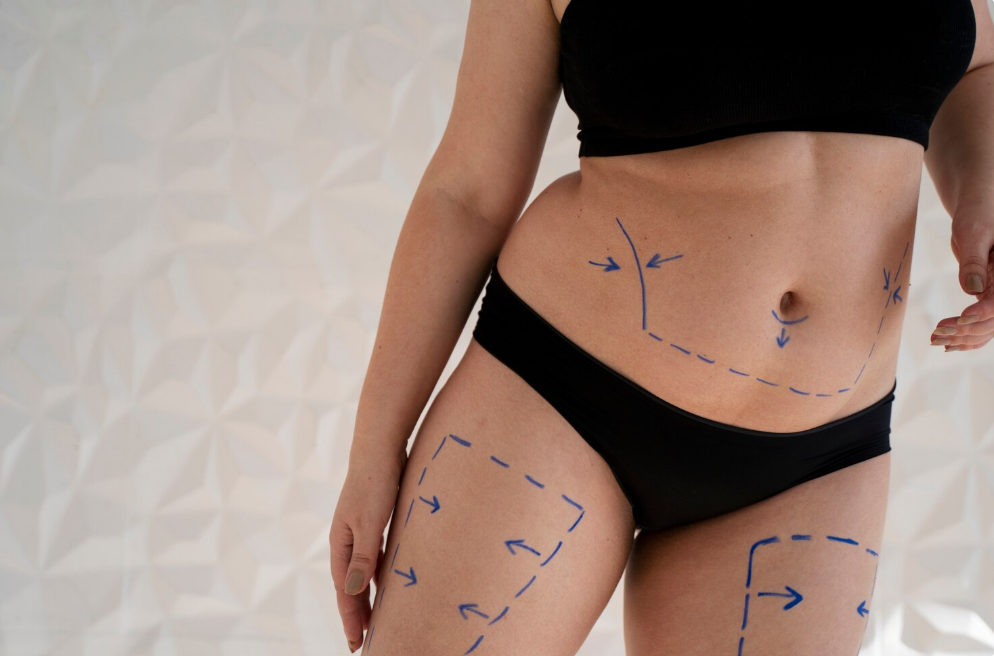
Inner Thigh Lift in Korea is a surgical body contouring procedure designed to remove excess skin and fat from the inner thighs, creating slimmer, smoother, and firmer legs. This procedure is especially popular among patients who experience loose or sagging skin due to weight loss, aging, or genetics.
Unlike liposuction alone, which only removes fat, an inner thigh lift addresses skin laxity and contour irregularities, making it ideal for patients seeking a more dramatic reshaping of the thigh area. Korean plastic surgeons are known for their precision techniques, scar-minimizing methods, and ability to combine thigh lifts with liposuction or other lower body contouring procedures for enhanced results.
Purpose & Benefits
- Targeted Reshaping: Removes sagging skin and excess fat from the inner thighs.
- Slimmer Leg Contour: Creates firmer, more toned thighs.
- Improved Comfort: Reduces skin folds that cause chafing or irritation.
- Combination-Friendly: Can be paired with liposuction, buttock lift, or tummy tuck.
- Scar Concealment: Incisions hidden along groin crease for discretion.
- Boosted Confidence: Improves appearance in fitted clothing, shorts, and swimwear.
Ideal Candidates
- Patients with loose or sagging inner thigh skin.
- Individuals after weight loss or aging-related skin laxity.
- Adults in good health and stable weight.
- Non-smokers with realistic expectations.
- Patients wanting smoother, more proportionate thighs.
Possible Risks & Complications
- Swelling, bruising, or temporary soreness.
- Visible scarring along groin crease or thigh (fades with time).
- Numbness or sensitivity changes in treated areas.
- Fluid buildup (seroma).
- Rare risks: infection, delayed healing, or asymmetry.
Surgical Techniques Used
- Groin Crease Incision: Concealed incision made in the natural groin fold.
- Skin & Fat Removal: Excises redundant tissue for a firmer contour.
- Optional Liposuction: Removes stubborn fat deposits for better results.
- Tissue Tightening: Lifts and repositions skin for smoother thighs.
- Scar-Minimizing Closure: Fine sutures reduce tension for discreet scars.
Recovery & Aftercare
- 2–3 weeks: Bruising and swelling significantly improve.
- Compression garments worn for 4–6 weeks.
- 1–2 weeks: Return to desk work and light daily activities.
- 6–8 weeks: Resume strenuous activity and exercise.
- 6–12 months: Scars fade and final results become fully visible.
Aftercare Guidelines:
- Avoid stretching or wide leg movements during early recovery.
- Sleep with legs slightly elevated to minimize swelling.
- Use scar care treatments (silicone sheets, creams, or laser therapy).
- Attend follow-up appointments for scar and healing management.
Results & Longevity
- Slimmer, firmer, and more toned inner thighs.
- Long-lasting results with permanent removal of excess skin and fat.
- Improved mobility and comfort.
- Natural-looking, proportionate leg shape.
- Boosted self-confidence in fashion and everyday activities.
Treatment Process in Korea
1. Initial Consultation & Assessment
- Surgeons assess inner thigh skin laxity and fat distribution.
- Determine whether inner thigh lift, liposuction, or extended thigh lift is most suitable.
2. Surgical Planning & Preparation
- Incision placement planned along the groin crease for minimal visibility.
- Choice of anesthesia: usually general anesthesia.
3. Surgery Day
- Groin incision made and excess skin/fat removed.
- Liposuction performed if needed.
- Skin lifted and tightened with advanced closure methods.
4. Post-Operative Monitoring
- Compression garments applied.
- Patients may go home same day or after short observation.
5. Follow-Up & Refinement
- Follow-ups at 1 week, 1 month, 3 months, and 6 months.
- Scar refinement therapies available if required.
Why Korea is a Top Destination
- Surgeons specialized in thigh lifts and post-weight loss contouring.
- Advanced scar-minimizing closure and tissue-tightening techniques.
- Clinics with state-of-the-art equipment and 3D body imaging systems.
- Affordable costs compared to Western countries with equally high safety standards.
- Patient-centered approach with English-speaking staff and VIP aftercare.
Cost Range
The cost of Inner Thigh Lift in Korea depends on the degree of skin laxity, liposuction, and clinic reputation.
- Standard Inner Thigh Lift: USD $6,500 – $9,000
- Inner Thigh Lift + Liposuction: USD $8,000 – $11,000
- Post-Weight Loss Extensive Correction: USD $9,500 – $13,000
- Premium Clinics (3D Imaging, Scar Care, VIP Aftercare): USD $11,000 – $15,000
Additional Costs:
- Consultation & imaging: USD $100 – $300
- Compression garments: USD $150 – $250
- Medications & aftercare: USD $100 – $300
Popular Clinics
- Banobagi Plastic Surgery (Seoul): Experts in body contouring and thigh lift procedures.
- ID Hospital (Seoul): Known for advanced inner thigh lifts combined with liposuction.
- JK Plastic Surgery Center (Seoul): JCI-accredited, focusing on scar refinement.
- View Plastic Surgery Clinic (Seoul): Specialists in lower body reshaping and contouring.
- JW Plastic Surgery (Seoul): Provides customized inner thigh lifts with natural results.


