
Treatment Overview
Insulin Resistance Management in Korea for Polycystic Ovary Syndrome (PCOS) is a cutting-edge, personalized treatment approach designed to address one of the most critical underlying factors of PCOS — insulin resistance. Insulin resistance affects how the body uses insulin, leading to elevated blood sugar and insulin levels. This imbalance contributes to hormonal disruptions, weight gain, irregular menstrual cycles, and increased risk of type 2 diabetes.
Korean medical centers are at the forefront of treating insulin resistance linked to PCOS by combining advanced diagnostics, precision medication, lifestyle optimization, and integrative therapies. The management process is highly individualized, ensuring treatment plans are based on metabolic testing, hormonal profiling, and genetic sensitivity analysis. Korea’s approach blends modern medicine with holistic wellness strategies, creating a uniquely effective program for insulin resistance in PCOS patients.
Purpose & Benefits
The main goal of insulin resistance management for PCOS is to improve the body’s sensitivity to insulin, thereby balancing blood sugar levels, regulating hormones, and improving reproductive health. Benefits include:
- Improved insulin sensitivity and glucose metabolism
- Better regulation of menstrual cycles and ovulation
- Reduction in androgen levels, improving acne, hirsutism, and hair loss
- Weight management and decreased abdominal fat
- Enhanced fertility outcomes
- Reduced risk of type 2 diabetes and cardiovascular complications
- Overall improvement in metabolic and hormonal health
Korea’s advanced treatment programs aim not only to manage symptoms but also to address the root cause of PCOS, creating long-term health benefits.
Ideal Candidates
Insulin Resistance Management programs are suitable for women with PCOS who:
- Have elevated fasting insulin or glucose levels
- Show symptoms of insulin resistance such as weight gain, fatigue, or sugar cravings
- Have difficulty regulating menstrual cycles or achieving ovulation
- Struggle with androgenic symptoms linked to hormonal imbalance
- Have a family history of type 2 diabetes or metabolic disorders
- Seek to optimize metabolic health before conception
Possible Risks & Complications
Insulin resistance management is generally safe and effective when monitored by specialists. Possible risks include:
- Gastrointestinal discomfort such as nausea or bloating during the initial stages of medication or dietary changes
- Temporary changes in energy levels during metabolic adjustment
- Low blood sugar episodes if medication dosage or dietary intake is not balanced
- Allergic or sensitivity reactions to supplements or herbal treatments used
Korean clinics mitigate these risks through thorough diagnostic testing, gradual treatment adjustments, and ongoing patient monitoring.
Surgical Techniques Used
Insulin resistance management is primarily a non-surgical treatment. However, in some cases, Korean specialists may integrate minimally invasive procedures to enhance results, including:
- Laparoscopic Ovarian Drilling (LOD): Improves ovulatory function in insulin-resistant PCOS patients.
- Precision Ultrasound Monitoring: Uses AI-assisted imaging to guide treatment adjustments.
- Micro-dosed Hormonal Therapies: Targets hormone optimization alongside metabolic management.
These techniques complement the metabolic treatment program, making Korea a leading destination for integrated PCOS care.
Recovery & Aftercare
Recovery from insulin resistance management is generally straightforward, but Korean clinics emphasize continuous follow-up for lasting results. Aftercare often includes:
- Regular metabolic and hormonal monitoring through blood tests and imaging
- Nutritional counseling tailored to PCOS and insulin resistance
- Exercise programs to improve insulin sensitivity and metabolic health
- Lifestyle coaching, including stress management and sleep optimization
- Integration of acupuncture or herbal medicine to support metabolic function
- Ongoing patient education on managing insulin resistance long-term
Results & Longevity
Patients often notice improvements in energy levels, menstrual regularity, and weight control within 2–3 months of starting insulin resistance management. Significant metabolic improvement, including reduced insulin levels and stabilized blood sugar, typically occurs within 6–12 months. Korea’s precision approach ensures that results are sustainable, with long-term benefits for reproductive health, weight control, and overall wellbeing.
Treatment Process in Korea
Korea’s approach to insulin resistance management follows a structured, patient-centered pathway:
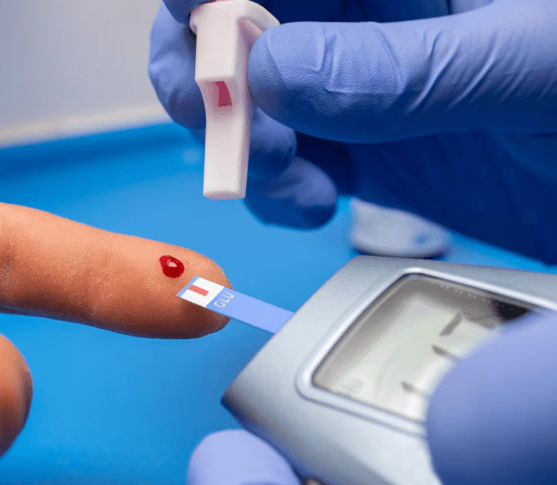
- Comprehensive Metabolic & Hormonal Assessment: Blood glucose testing, insulin level measurement, hormone profiling, and ultrasound evaluation.
- Personalized Treatment Design: Includes insulin-sensitizing medication such as metformin, dietary adjustments, and lifestyle interventions based on patient-specific metabolic data.
- Holistic Therapy Integration: Korean herbal medicine, acupuncture, and nutritional supplements tailored for insulin resistance.
- Precision Monitoring: AI-assisted hormone and glucose tracking to fine-tune therapy in real time.
- Lifestyle Optimization: Customized fitness programs, stress reduction strategies, and dietary counseling to improve long-term results.
- Continuous Care: Regular follow-up visits and progress tracking to maintain insulin sensitivity and hormonal balance.
Korea’s integrated model for PCOS management, which combines scientific precision with holistic care, positions it as a leading destination for women seeking comprehensive insulin resistance treatment.
Cost Range
The cost of insulin resistance management for PCOS in Korea varies depending on the complexity of the case. Basic programs, including diagnostics, medication, and follow-up, range from ₩1,500,000 to ₩4,000,000 KRW (approximately $1,200–$3,000 USD) for a 6-month treatment course. Comprehensive programs that include lifestyle coaching, acupuncture, herbal therapy, and ongoing monitoring can range from ₩5,000,000 to ₩8,000,000 KRW ($3,800–$6,000 USD).
Popular Clinics
- CHA Fertility Center Seoul Station – Known for integrating insulin resistance management with fertility and hormonal care.
- Seoul Women’s Hormone Clinic – Specializes in precision metabolic and PCOS treatment programs.
- Samsung Medical Center (Endocrinology & OBGYN) – Offers AI-assisted insulin and hormone mapping for tailored care.
- Banobagi Women’s Clinic – Combines Western medicine with herbal and nutritional therapy for metabolic health.
- Ewha Womans University Medical Center – Research-based metabolic treatment programs for PCOS.
- Mirae Women’s Hospital Seoul – Offers integrated programs targeting insulin resistance and reproductive health.


