
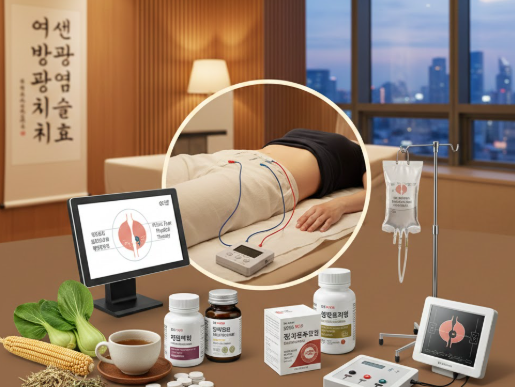
Treatment Overview
Interstitial cystitis (IC), also known as painful bladder syndrome, is a chronic condition characterized by bladder pain, urinary urgency, frequency, and discomfort. While surgical interventions are rarely needed, non-surgical treatments play a central role in managing IC symptoms and improving quality of life.
In Korea, specialized urology clinics and hospitals provide comprehensive non-surgical IC treatment programs that integrate medication, bladder instillations, behavioral therapy, pelvic floor rehabilitation, and lifestyle modification. These programs are suitable for both domestic and international patients.
Purpose & Benefits
The primary purpose of non-surgical IC treatments is to alleviate bladder pain, reduce urinary frequency, and improve overall bladder function.
Key benefits include:
- Relief from chronic bladder pain and urgency.
- Avoidance of invasive surgical procedures.
- Improvement in quality of life and daily functioning.
- Personalized treatment plans based on symptom severity and patient response.
- Long-term management strategies to prevent symptom recurrence.
These treatments offer a safe, effective, and minimally invasive approach to managing IC.
Ideal Candidates
Non-surgical IC treatments are ideal for:
- Adults experiencing persistent bladder pain, urgency, frequency, or nocturia.
- Patients with mild to moderate IC symptoms who wish to avoid surgery.
- Individuals whose symptoms have not responded fully to lifestyle modifications alone.
- Both men and women, though IC is more common in women.
- International patients seeking structured IC management programs in Korea.
Candidates benefit from personalized therapy plans and stepwise treatment escalation.
Possible Risks & Complications
Non-surgical IC treatments are generally safe, but potential considerations include:
- Medication side effects: Dry mouth, constipation, dizziness, or gastrointestinal discomfort.
- Bladder instillation discomfort: Temporary urgency, mild bladder irritation, or minor pain during the procedure.
- Pelvic floor therapy: Mild soreness or muscle fatigue during exercises or biofeedback therapy.
- Behavioral therapy adjustments: Temporary frustration or difficulty adhering to bladder training or lifestyle recommendations.
Korean clinics minimize these risks through careful monitoring, professional guidance, and personalized treatment plans.
Techniques & Technology Used
Korea’s non-surgical IC programs use a combination of advanced techniques:
- Medication Therapy: Oral medications to relieve bladder inflammation, reduce pain, and control urgency.
- Bladder Instillations: Therapeutic solutions such as dimethyl sulfoxide (DMSO), heparin, or lidocaine delivered directly into the bladder to reduce inflammation and discomfort.
- Behavioral Therapy: Bladder training, timed voiding, fluid management, and avoidance of dietary irritants.
- Pelvic Floor Rehabilitation: Supervised exercises, biofeedback, and physiotherapy to strengthen and relax pelvic floor muscles.
- Lifestyle & Dietary Modifications: Guidance on hydration, caffeine reduction, acidic food avoidance, stress management, and weight management.
- Multidisciplinary Care: Collaboration between urologists, physiotherapists, dietitians, and pain management specialists for a holistic approach.
These methods collectively provide effective symptom relief without the need for surgery.
Treatment Process in Korea
The typical non-surgical IC treatment process includes:
- Initial Consultation: Review of medical history, symptoms, and lifestyle factors.
- Diagnostic Evaluation: Urinalysis, cystoscopy, bladder imaging, and symptom scoring to assess severity.
- Personalized Care Plan: Tailored combination of medication, bladder instillation, pelvic floor therapy, and behavioral interventions.
- Behavioral Therapy & Lifestyle Adjustments: Bladder training, dietary modifications, and stress management.
- Medication Management: Oral therapies tailored to symptom severity and patient response.
- Bladder Instillations: Performed as needed for patients with persistent symptoms.
- Follow-Up & Monitoring: Regular reassessment to evaluate progress, adjust therapy, and maintain long-term bladder health.
This structured approach ensures effective, patient-centered management while avoiding invasive procedures.
Recovery & After-Care
Recovery and after-care in non-surgical IC management focus on:
- Reinforcement of bladder training and pelvic floor exercises.
- Guidance on dietary and lifestyle modifications to reduce bladder irritation.
- Ongoing medication monitoring and adjustment for optimal efficacy.
- Telemedicine support for international patients to maintain consistent follow-up.
- Education on symptom tracking and early intervention strategies to prevent flare-ups.
After-care is essential for maintaining symptom relief and long-term bladder health.
Results & Longevity
Patients undergoing non-surgical IC management in Korea often experience:
- Reduced bladder pain, urgency, and frequency.
- Improved pelvic function and daily comfort.
- Long-term symptom control with adherence to therapy and lifestyle guidance.
- Improved psychological well-being and overall quality of life.
- Lower likelihood of needing surgical interventions in the future.
Structured programs and ongoing support contribute to sustainable symptom relief and improved bladder function.
Why Korea Is a Top Destination
Korea is a leading destination for non-surgical IC treatment because:
- Specialized Urology Centers: Clinics offer expert care in IC and bladder pain management.
- Advanced Diagnostics & Therapy: Access to high-quality cystoscopy, urodynamics, bladder instillation, and pelvic floor rehabilitation.
- Integrated Multidisciplinary Care: Combination of medical, behavioral, and physiotherapy interventions.
- International Patient Support: English-speaking coordinators, teleconsultation, and medical tourism assistance.
- Personalized, Patient-Centered Programs: Tailored treatment plans addressing physical and psychological aspects of IC.
International patients benefit from holistic, non-invasive programs that maximize symptom relief and comfort.
Cost Range
The cost of non-surgical IC treatments in Korea varies by service:
- Initial consultation: $100 – $250
- Diagnostic evaluation (cystoscopy, urodynamics, imaging): $200 – $700
- Medication therapy: $50 – $150 per month
- Bladder instillations: $150 – $400 per session
- Pelvic floor therapy & behavioral sessions: $50 – $150 per session
- Full care packages including follow-up and telemedicine support: $500 – $2,500
Transparent pricing and package options make it easier for international patients to plan treatment.
Popular Clinics in Korea
Top hospitals and clinics providing non-surgical IC treatment include:
- Samsung Medical Center, Seoul
- Asan Medical Center, Seoul
- Severance Hospital (Yonsei University), Seoul
- Seoul National University Hospital, Seoul
- CHA Bundang Medical Center, Seongnam
These institutions offer expert evaluation, non-surgical management, and comprehensive support for both local and international patients.


