
Treatment Overview
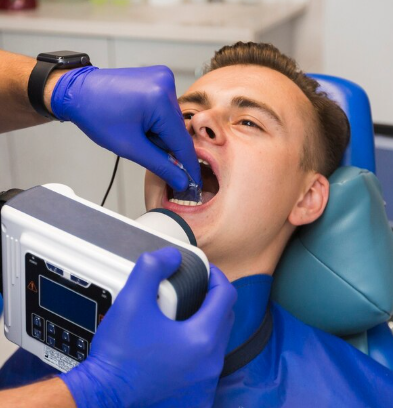
Intraoral Camera Dental Examination in Korea is a modern diagnostic method that allows both dentist and patient to view detailed, magnified images of the mouth in real time. Using a tiny high-definition camera that fits comfortably inside the mouth, Korean dental clinics capture clear visuals of teeth, gums, and soft tissues — revealing conditions that might be missed during a traditional inspection.
This technology supports early detection of cavities, cracks, gum disease, and plaque buildup, while enhancing communication between dentist and patient. Many clinics in Korea integrate AI-assisted imaging and 4K intraoral visualization systems to achieve unparalleled diagnostic accuracy and patient education.
The procedure is quick, painless, and highly informative, embodying Korea’s advanced approach to preventive and transparent dental care.
Purpose & Benefits
Purpose
- To visualize and document real-time images of teeth and gums during routine checkups.
- To identify hidden cavities, cracks, or early gum inflammation.
- To enhance accuracy in diagnosis, patient communication, and treatment planning.
- To provide before-and-after comparisons during ongoing care.
- To store detailed oral records for long-term monitoring.
Benefits
- Enhanced Visibility: Displays even the smallest enamel defects clearly.
- Patient Involvement: Allows patients to see what the dentist sees.
- Non-Invasive & Comfortable: Uses a pen-sized device with no discomfort.
- Early Detection: Identifies oral issues before pain or symptoms occur.
- Digital Documentation: Images stored for easy tracking and comparison.
- Improved Trust: Promotes transparency in diagnosis and treatment.
An Intraoral Camera Dental Examination offers a visual and educational experience — combining technology, accuracy, and patient engagement for optimal oral care.
Ideal Candidates
Ideal Candidates Include:
- Patients attending routine dental checkups or preventive exams.
- Individuals with tooth sensitivity or minor unexplained pain.
- Patients seeking visual confirmation of dental conditions.
- Children or anxious patients who prefer gentle, non-invasive diagnostics.
- Adults interested in understanding their oral health visually.
This examination is ideal for anyone who values clear communication, accurate diagnosis, and patient-centered care.
Possible Risks & Considerations
Intraoral camera examinations are extremely safe and non-invasive, but minor considerations include:
- Image Accuracy: Moisture or debris may affect photo clarity if not dried properly.
- Data Privacy: Images must be securely stored in digital patient records.
- Interpretation Precision: Dependent on professional evaluation and lighting consistency.
Korean dental clinics ensure optimal accuracy and security using sterilized camera tips, LED illumination systems, and encrypted digital storage for all images.
Techniques Used
Korean dentists use state-of-the-art intraoral cameras integrated with AI-driven diagnostic platforms and high-resolution displays to ensure precision and patient comfort.
Common Techniques Include:
- High-Definition Imaging: Captures detailed visuals of teeth, gums, and tongue.
- LED-Illuminated Scanning: Ensures clear, shadow-free visualization.
- Real-Time Display: Shows magnified images instantly on screen.
- AI Image Analysis: Highlights early caries, fractures, or gum inflammation.
- Digital Storage & Comparison: Archives images for tracking progress.
- Multi-Angle Capture: Examines hard-to-reach areas accurately.
These techniques ensure comprehensive visual diagnostics and precise treatment planning.
Recovery & Aftercare
The procedure is entirely non-invasive and requires no recovery time. Patients can immediately continue normal activities after their examination.
Aftercare Guidelines:
- Review images and follow the dentist’s advice for any detected issues.
- Maintain regular brushing, flossing, and dental hygiene practices.
- Schedule biannual checkups for ongoing monitoring and preventive care.
- Keep personal digital dental records for future comparison if available.
Adhering to these guidelines ensures early intervention, improved oral awareness, and sustained dental health.
Results & Longevity
Expected Results:
- Clear, magnified visuals of teeth and gum conditions.
- Early identification of decay, cracks, or infection.
- Visual documentation for personalized care and education.
- Enhanced understanding of oral hygiene needs.
Longevity:
Intraoral images serve as a permanent part of digital dental records, useful for monitoring oral changes over years. Results are instantaneous, and continued imaging at each visit supports long-term preventive care.
Treatment Process in Korea
Step-by-Step Process:
- Initial Consultation: Dentist discusses oral health concerns.
- Preparation: Teeth are gently dried and cleaned for clear imaging.
- Intraoral Scanning: The small camera captures high-definition images of each area.
- Image Display: Dentist explains findings in real time using on-screen visuals.
- Diagnosis & Planning: Based on visuals, treatment or preventive recommendations are made.
The entire process takes 10–20 minutes and is completely painless and comfortable, making it ideal for all ages.
Why Korea Is a Top Destination
- High-Resolution 4K Imaging Systems: Provide superior accuracy and detail.
- AI-Enhanced Diagnostics: Improve detection of subtle dental issues.
- Patient-Focused Experience: Encourages transparency and visual learning.
- Integrated Digital Records: Ensures consistency across dental visits.
- Affordable Innovation: Cutting-edge technology at reasonable costs.
- Comprehensive Preventive Care: Combines imaging with full dental evaluations.
Korea’s approach to precision imaging and patient education sets a global benchmark for advanced, preventive dental care.
Unique Korean Methods & Technology
- AI-Powered Intraoral Cameras: Automatically identify decay and fractures.
- Ultra-HD LED Imaging Systems: Deliver crisp visuals under natural lighting.
- Cloud-Based Image Storage: Enables long-term progress tracking.
- 3D Intraoral Scanners: Combine still and motion capture for dynamic visuals.
- Integrated Diagnostic Software: Links camera results to patient treatment history.
These technologies make Intraoral Camera Dental Examination in Korea one of the most accurate, interactive, and patient-centered diagnostic procedures worldwide.
Cost Range
The cost of Intraoral Camera Dental Examination in Korea depends on clinic facilities, diagnostic equipment, and inclusion in regular checkup packages.
- Basic Intraoral Camera Check: ₩30,000 – ₩60,000 (USD $25 – $45)
- Digital Imaging & Consultation Package: ₩80,000 – ₩150,000 (USD $60 – $110)
- Comprehensive Preventive Exam (Intraoral + X-ray + Gum Analysis): ₩180,000 – ₩300,000 (USD $135 – $225)
Most Korean clinics include real-time imaging, consultation, and follow-up diagnostics within their full dental checkup packages.
Popular Clinics
- Seoul National University Dental Hospital (Preventive Dentistry Unit): Specializes in high-resolution intraoral imaging and diagnostic precision.
- Yonsei University Severance Dental Hospital: Offers advanced intraoral visualization with AI-enhanced interpretation.
- Asan Medical Center Dental Clinic: Uses intraoral camera technology for detailed cavity and gum evaluations.
- Samsung Medical Dental Center: Known for HD imaging and real-time patient education.
- Gangnam Smile Digital Dental Clinic: Provides full-mouth intraoral camera analysis with 3D display integration.


