
Treatment Overview
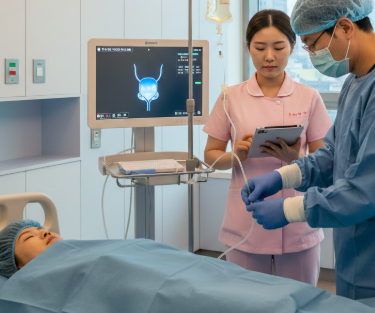
Intravesical chemotherapy is a targeted treatment for bladder cancer, in which anti-cancer drugs are delivered directly into the bladder through a catheter. This localized approach allows high concentrations of medication to act on the bladder lining while minimizing systemic side effects. Korea is globally recognized for advanced intravesical therapy protocols, including the use of mitomycin C, gemcitabine, and Bacillus Calmette–Guérin (BCG) adjunct therapy. Korean hospitals integrate precise cystoscopic guidance, state-of-the-art drug delivery systems, and patient-centered monitoring to ensure maximum efficacy and safety for both initial treatment and recurrence prevention.
Purpose & Benefits
The primary purpose of intravesical chemotherapy is to treat superficial bladder cancer, prevent tumor recurrence, and reduce the risk of progression to muscle-invasive disease. Benefits include:
- Targeted therapy with minimal systemic toxicity
- Reduction of tumor recurrence after transurethral resection of bladder tumor (TURBT)
- Preservation of bladder function without the need for radical surgery
- Short outpatient procedure with quick recovery
- Combination therapy with BCG immunotherapy to enhance effectiveness
Patients in Korea benefit from individualized treatment schedules, advanced drug formulations, and continuous follow-up care to optimize outcomes.
Ideal Candidates
Ideal candidates include:
- Patients with non-muscle invasive bladder cancer (NMIBC)
- Individuals who have undergone TURBT but are at high risk for recurrence
- Patients with carcinoma in situ (CIS) or multifocal bladder tumors
- Those who wish to preserve bladder function and avoid radical surgery
Korean specialists carefully evaluate tumor grade, bladder capacity, and patient comorbidities to determine suitability for intravesical therapy.
Possible Risks & Complications
While intravesical chemotherapy is generally safe, potential risks include:
- Bladder irritation, urgency, or frequency
- Blood in the urine (hematuria)
- Chemical cystitis
- Temporary urinary retention
- Rare systemic absorption leading to nausea or fever
Korean hospitals minimize these risks through precise dosing, advanced cystoscopic placement, and immediate supportive care.
Techniques & Technology Used
Korea employs advanced techniques to enhance the efficacy and safety of intravesical chemotherapy:
- Cystoscopic-guided catheter placement ensuring accurate drug delivery
- Automated infusion systems to control dwell time and concentration
- Imaging integration for assessment of bladder wall coverage
- Combination protocols with BCG immunotherapy or laser-assisted TURBT
- Close monitoring of renal function and bladder integrity
These measures ensure consistent drug contact with cancerous areas while protecting healthy tissue.
Treatment Process in Korea
The process for intravesical chemotherapy is streamlined for both local and international patients:
- Initial evaluation including cystoscopy, urine cytology, and imaging
- TURBT if needed to remove visible tumors before therapy
- Intravesical chemotherapy sessions administered in an outpatient setting
- Scheduled treatment cycles, often weekly for 6–8 weeks, followed by maintenance doses
- Follow-up cystoscopies to monitor response and detect recurrence
- Supportive care and education on bladder health, hydration, and symptom management
International patients receive coordinated care, including English-speaking coordinators and guidance on scheduling treatment sessions efficiently.
Recovery & After-Care
Recovery from intravesical chemotherapy is rapid, as it is a minimally invasive outpatient procedure. After-care includes:
- Short-term monitoring for bladder irritation or hematuria
- Instructions to retain the medication in the bladder for the prescribed duration
- Maintaining hydration to flush the bladder post-treatment
- Avoiding sexual activity or exposure to others’ urine temporarily
- Routine cystoscopic surveillance to detect any recurrence
Korean centers provide clear post-treatment guidelines and telemedicine follow-ups for international patients.
Results & Longevity
Intravesical chemotherapy in Korea demonstrates high rates of tumor recurrence prevention, particularly when combined with TURBT and BCG therapy. Most patients experience prolonged bladder preservation with minimal side effects. Continuous monitoring ensures early detection of new lesions, allowing prompt retreatment and maintaining long-term survival and quality of life.
Why Korea Is a Top Destination
Korea is a preferred destination for intravesical chemotherapy due to:
- Expertise in managing bladder cancer with cutting-edge protocols
- Integration of advanced cystoscopic technology and imaging
- Highly experienced urologists and oncology teams
- Efficient outpatient scheduling and short waiting times
- Multilingual patient support and international medical tourism coordination
- Affordable treatment compared with Western countries while maintaining high standards
Patients benefit from high-quality care, precision therapy, and seamless follow-up programs.
Cost Range
The cost of intravesical chemotherapy in Korea generally ranges from USD 1,500 to USD 4,500, depending on:
- Number of sessions required
- Type of chemotherapeutic agent
- Hospital category and facility fees
- Inclusion of TURBT or combination therapy
Korea’s treatment packages often include medication, procedure fees, and follow-up cystoscopies, providing transparent and cost-effective care.
Popular Clinics in Korea
- Asan Medical Center – Urology & Bladder Cancer Clinic
- Seoul National University Hospital – Minimally Invasive Urology Program
- Samsung Medical Center – Robotic & Chemotherapy Urology Unit
- Severance Hospital (Yonsei University) – Bladder Cancer Center
- Korea University Anam Hospital – Uro-Oncology Department
- Seoul St. Mary’s Hospital – Outpatient Chemotherapy & Cystoscopy Clinic


