
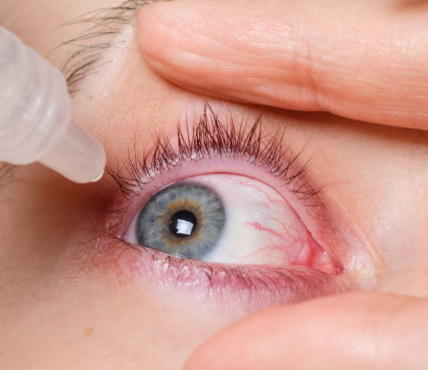
Treatment Overview
Iridoplasty in Korea—also known as Peripheral Iridoplasty (PI) or Laser Iridoplasty—is a minimally invasive laser procedure used to widen the anterior chamber angle and improve aqueous humor outflow. Using low-energy argon laser burns, small contractions are created on the peripheral iris, pulling it away from the trabecular meshwork and reducing the risk of angle closure.
Korean glaucoma centers are highly advanced in this technique, using high-resolution anterior segment imaging, AI-guided laser planning, and precise thermal control to optimize results and enhance safety, especially for patients with narrow angles or plateau iris configurations.
Purpose & Benefits
Purpose
- Open the drainage angle by contracting the peripheral iris.
- Prevent glaucomatous damage in narrow-angle or plateau iris conditions.
- Reduce IOP and improve aqueous outflow.
- Serve as an adjunct or alternative to laser iridotomy.
- Provide prophylactic treatment in eyes at risk for angle-closure glaucoma.
Benefits
- Non-Incisional: Uses gentle laser energy without cutting tissues.
- Immediate Angle Widening: Angle opens quickly after treatment.
- High Safety Profile: Low risk of inflammation or complications.
- Useful When Iridotomy Is Not Enough: Especially in plateau iris.
- Short Procedure Time: Usually under 10 minutes.
- Fast Recovery: Minimal downtime with rapid visual recovery.
Ideal Candidates
Iridoplasty in Korea is ideal for:
- Patients with narrow angles at risk of closure.
- Individuals with plateau iris syndrome or persistent narrow angles after iridotomy.
- Patients with angle closure or mixed-mechanism glaucoma.
- Those requiring additional angle widening before cataract or MIGS surgery.
- Adults with anatomically crowded anterior chambers.
- People seeking preventive treatment to avoid acute angle-closure attacks.
Possible Risks & Complications
Iridoplasty is extremely safe, though mild effects may include:
- Temporary light sensitivity
- Mild discomfort or irritation
- Transient IOP rise
- Minor inflammation
- Very rare iris bleeding
Korean surgeons minimize risks using OCT-guided alignment, AI-controlled laser energy, and post-laser anti-inflammatory protocols.
Types of Iridoplasty in Korea
Argon Laser Peripheral Iridoplasty (ALPI)
Uses low-energy argon laser burns to contract the peripheral iris.
Segmental Iridoplasty
Targets specific areas of appositional angle closure.
360° Iridoplasty
Full circumferential iris contraction for severe angle narrowing.
Combined Iridoplasty + Iridotomy
Used for complex angle closure, plateau iris, or mixed-mechanism glaucoma.
Surgical Techniques
High-Resolution Angle Imaging (OCT/UBM)
Maps the iris configuration and evaluates the angle structure before treatment.
AI-Controlled Laser Energy
Ensures proper burn size, spacing, and thermal safety.
Goniolens-Assisted Alignment
Allows precise targeting of the peripheral iris.
Low-Energy Contraction Burns
Laser creates small shrinkage points in the iris tissue.
360° Treatment Option
Applied when global angle narrowing is present.
Post-Laser IOP Stabilization
Medications prevent short-term pressure spikes.
Treatment Process in Korea
Step 1 – Comprehensive Evaluation
Includes IOP testing, gonioscopy, anterior chamber OCT, and angle imaging.
Step 2 – Treatment Planning
Surgeon determines burn pattern (segmental vs 360°) and energy settings.
Step 3 – Iridoplasty Procedure
Laser burns applied to the peripheral iris using a goniolens.
Step 4 – Immediate Aftercare
Anti-inflammatory and IOP-lowering drops administered as needed.
Step 5 – Follow-Up Monitoring
Angle widening and IOP response checked over several weeks.
Treatment Duration: 5–10 minutes
Setting: Outpatient laser suite
Recovery & After-Care
After-Care Guidelines
- Use prescribed anti-inflammatory drops for 2–5 days.
- Avoid rubbing the eyes.
- Resume daily activities soon after treatment.
- Attend follow-up visits for angle and IOP evaluation.
- Continue glaucoma medications only as directed.
Recovery Timeline
- Day 1: Mild redness or irritation; angle begins widening.
- Week 1: Improved outflow and more stable IOP.
- Weeks 2–4: Stable angle opening confirmed on imaging.
- Months 1–6: Sustained angle improvements in most patients.
Results & Longevity
Expected Results
- Immediate widening of the drainage angle.
- Improved IOP stability and reduced risk of acute angle closure.
- Enhanced long-term control of angle-closure glaucoma.
- Effective complement to iridotomy for plateau iris syndrome.
Longevity
- Benefits often last months to several years.
- Angle configuration may change with age, requiring repeat treatment or cataract surgery.
- Korea’s advanced imaging-guided approach enhances durability.
Why Korea Is a Top Destination
- World-class expertise in angle-closure and plateau iris management.
- AI-guided energy delivery for laser precision and safety.
- Advanced OCT/UBM imaging to customize treatment.
- Low complication rates due to refined laser protocols.
- Integrated glaucoma care for long-term monitoring and optimization.
Unique Korean Innovations
- AI-based iris configuration analysis.
- Customized segmental treatment patterns.
- Hybrid Iridoplasty + SLT pathways for mixed glaucoma.
- Thermal-control systems to prevent over-treating tissue.
- Predictive modeling for long-term angle behavior.
Cost Range (Indicative Estimate)
| Treatment Package | Price (KRW) | Approx. USD | Inclusions |
|---|---|---|---|
| Segmental Iridoplasty | ₩300,000 – ₩500,000 | ~$230 – $380 | Partial-angle laser treatment |
| 360° Full Iridoplasty | ₩500,000 – ₩800,000 | ~$380 – $600 | Full peripheral treatment + follow-up |
| Iridoplasty + Iridotomy Combo | ₩800,000 – ₩1,400,000 | ~$600 – $1,050 | Combined therapy + extended care |
Popular Clinics in Korea
- B&VIIT Eye Center (Seoul) – Angle-closure and plateau iris specialists.
- Dream Eye Center (Seoul) – Experts in ALPI and imaging-guided laser therapy.
- BGN Eye Clinic (Busan & Seoul) – Advanced angle imaging and laser treatment systems.
- Glory Seoul Eye Clinic – Leaders in anterior chamber OCT-guided iridoplasty.
- K-Cure Vision Center (Gangnam) – Innovators in AI-guided, low-energy laser protocols.


