
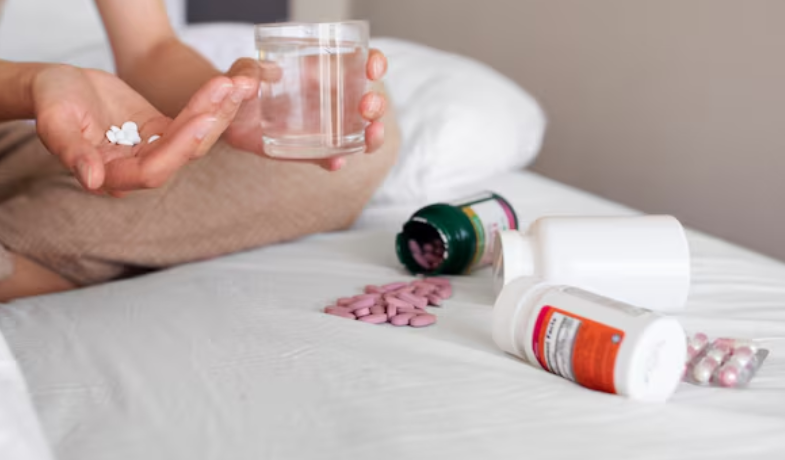
Treatment Overview
Iron Supplement Therapy in Korea for Heavy Menstrual Bleeding (HMB) is an essential part of managing women who suffer from excessive menstrual bleeding and its complications, especially anemia. Heavy menstrual bleeding, medically known as menorrhagia, can lead to significant blood loss, reducing iron stores in the body and causing fatigue, weakness, dizziness, and reduced quality of life.
Iron supplementation aims to replenish iron reserves, improve hemoglobin levels, and restore energy and health. In Korea, iron therapy is integrated into comprehensive heavy menstrual bleeding treatment programs offered by advanced gynecological centers. These programs include diagnosis, monitoring, and tailored supplementation plans based on each patient’s needs.
Korea is recognized for its holistic and high-quality women’s health care services, combining precise diagnostics, patient-specific treatment, and advanced laboratory facilities to ensure optimal results.
Purpose & Benefits
The primary purpose of iron supplement therapy is to restore iron levels and improve hemoglobin concentration in women affected by heavy menstrual bleeding.
Key benefits of iron supplementation include:
- Reduction of anemia-related symptoms such as fatigue, dizziness, and weakness.
- Improvement in overall energy levels and daily productivity.
- Enhanced immune function and overall health.
- Support for normal physiological functions including menstrual health.
- Prevention of long-term complications related to severe anemia.
In Korea, iron supplement therapy is often combined with a broader approach to heavy menstrual bleeding, including diagnosis of the bleeding source, medication, hormonal therapy, or surgical interventions if needed.
Ideal Candidates
Iron supplementation for heavy menstrual bleeding is recommended for women who:
- Experience prolonged or excessively heavy menstrual bleeding.
- Have documented low hemoglobin or ferritin levels.
- Exhibit symptoms of iron deficiency anemia such as fatigue, paleness, or shortness of breath.
- Have dietary deficiencies or increased physiological needs for iron.
- Are preparing for surgery related to gynecological conditions to optimize hemoglobin levels preoperatively.
Korean gynecologists carefully assess each patient’s condition through comprehensive testing before recommending iron therapy, ensuring individualized and safe treatment.
Possible Risks & Complications
Iron supplementation is generally safe when monitored properly, but potential side effects can occur:
- Gastrointestinal discomfort, including nausea, constipation, or diarrhea.
- Dark stools due to iron absorption.
- Rare allergic reactions.
- Staining of teeth (with liquid formulations).
In Korea, patients receive guidance to minimize side effects, including personalized recommendations on dosage, timing, and formulation of iron supplements. Many clinics also use advanced slow-release iron tablets or intravenous (IV) iron for better tolerance and efficacy.
Techniques & Methods Used
Iron supplementation in Korea is tailored to individual needs, with several approaches available:
1. Oral Iron Supplements
Common and cost-effective, oral iron tablets or capsules are prescribed for mild to moderate anemia. Korea uses high-quality pharmaceutical iron formulations that enhance absorption and minimize side effects.
2. Intravenous Iron Therapy
For patients with severe anemia or those who cannot tolerate oral iron, IV iron therapy is used. This allows rapid replenishment of iron stores. Korean hospitals utilize advanced infusion techniques that ensure safety and comfort during administration.
3. Iron-Rich Diet Counseling
Korean gynecologists and dietitians provide nutritional counseling to incorporate iron-rich foods and improve iron absorption, especially from plant-based diets.
4. Combined Therapy
For optimal results, iron supplementation is often combined with treatment for heavy menstrual bleeding itself, such as hormonal therapy, endometrial ablation, or surgical interventions.
Korea’s approach integrates advanced laboratory testing, including ferritin and hemoglobin monitoring, to track treatment progress.
Recovery & Aftercare
Recovery from iron deficiency anemia due to heavy menstrual bleeding is gradual. With consistent iron therapy:
- Hemoglobin levels begin to improve within a few weeks.
- Energy levels and symptoms typically improve within 1–2 months.
- Full replenishment of iron stores can take several months.
Korean clinics provide structured follow-up to ensure therapy is effective, including:
- Regular blood tests to monitor hemoglobin and ferritin levels.
- Adjustments to supplementation dosage as needed.
- Lifestyle and diet advice to maintain iron levels.
Aftercare focuses on preventing recurrence of anemia through ongoing monitoring and management of underlying causes of heavy menstrual bleeding.
Results & Longevity
Iron supplement therapy offers lasting benefits when combined with appropriate treatment for heavy menstrual bleeding:
- Restoration of healthy hemoglobin and ferritin levels.
- Increased energy, vitality, and improved quality of life.
- Reduced fatigue and other anemia symptoms.
- Prevention of long-term complications of iron deficiency such as cardiac strain and cognitive impairment.
In Korea, the emphasis is on long-term care, with follow-up appointments and lifestyle guidance to maintain iron balance and menstrual health.
Treatment Process in Korea
The iron supplement therapy process in Korea generally involves:
- Initial Consultation – Comprehensive review of symptoms, menstrual history, and overall health.
- Diagnostic Testing – Blood work including hemoglobin, ferritin, and iron studies.
- Treatment Planning – Prescription of appropriate iron formulation and dosage.
- Administration & Monitoring – Oral or intravenous iron given in clinic with follow-up monitoring.
- Ongoing Care – Nutritional counseling and periodic reassessment of iron status.
Korean clinics excel in offering personalized, patient-focused treatment plans with high standards of safety and efficacy.
Cost Range
The cost of iron supplement therapy in Korea varies:
- Initial consultation and diagnostic testing: ₩150,000–₩300,000 KRW ($110–$220 USD)
- Oral iron supplements: ₩30,000–₩100,000 KRW ($25–$80 USD) per month.
- Intravenous iron therapy session: ₩300,000–₩800,000 KRW ($230–$600 USD) per infusion.
- Follow-up visits: ₩50,000–₩150,000 KRW ($40–$110 USD)
Many hospitals offer comprehensive anemia care packages that combine diagnosis, supplementation, and follow-up services.
Popular Clinics in Korea
Top hospitals and clinics offering iron supplement therapy for heavy menstrual bleeding include:
- Samsung Medical Center, Seoul
- Asan Medical Center
- CHA Bundang Women’s Hospital
- Ewha Womans University Medical Center
- Severance Hospital (Yonsei University)
- MizMedi Women’s Hospital
- Blooming Women’s Clinic, Gangnam
These centers combine advanced diagnostics, personalized treatment plans, and expert gynecologists to make Korea a leading destination for managing heavy menstrual bleeding and anemia.


