
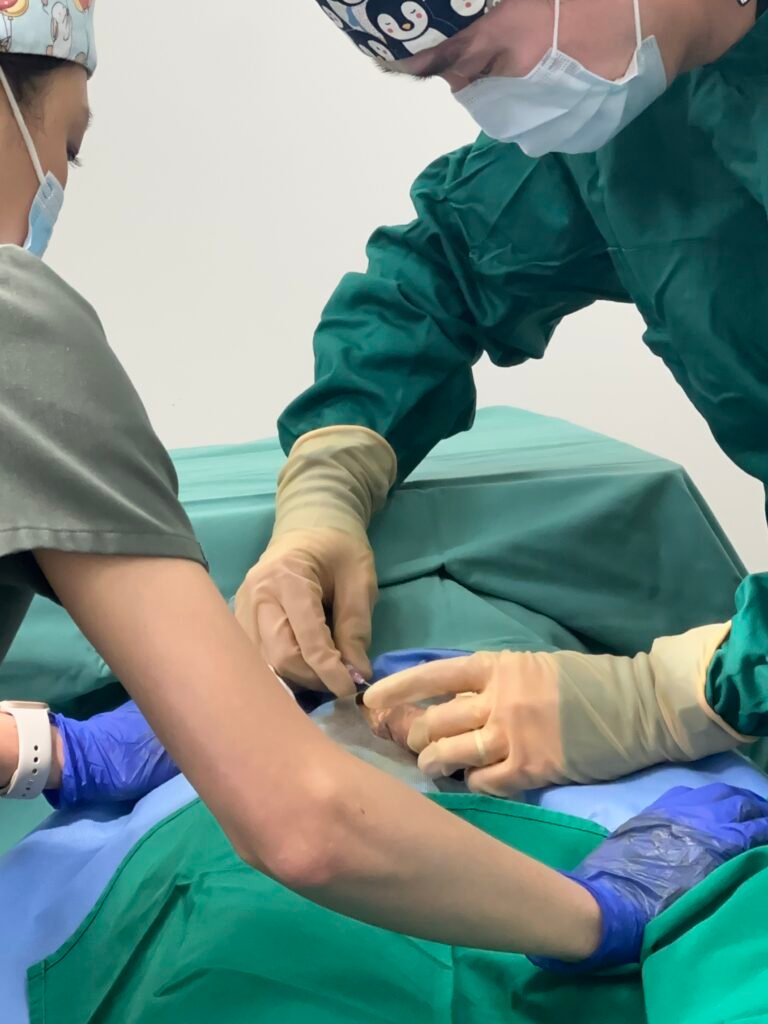
Penile filler injection has emerged as a popular, minimally invasive option for men seeking penile girth enhancement without undergoing surgery. This procedure involves injecting biocompatible fillers to increase penile circumference temporarily. While often viewed as a cosmetic procedure, medical patients sometimes consider penile fillers for conditions such as penile atrophy following trauma, Peyronie’s disease with mild deformity, or psychological distress related to penile size.
If you are a medical patient exploring penile filler injection, understanding the safety profile, benefits, risks, and clinical considerations is essential before proceeding. This expert overview aims to provide you with comprehensive insights to make an informed decision.
What Are Penile Filler Injections?
Penile filler injections typically use hyaluronic acid-based fillers, similar to those used in facial aesthetics, or other approved biocompatible materials. These fillers add volume by creating a cushioning layer beneath the penile skin, increasing girth.
The procedure is usually performed under local anesthesia, takes about 30-60 minutes, and offers immediate visible results that can last between 12 to 18 months, depending on the filler type and individual metabolism.
Safety Considerations for Medical Patients
1. Biocompatibility and Approval
- Hyaluronic acid fillers are FDA-approved for soft tissue augmentation in other body areas and have a well-established safety record.
- For penile use, while some fillers are used off-label, many clinics choose products with proven safety and reversibility.
- The temporary nature of fillers reduces long-term risk, but repeat treatments are necessary to maintain volume.
2. Patient Evaluation
- Comprehensive medical and sexual health assessment is crucial.
- Patients with active infections, bleeding disorders, or severe penile deformities may not be suitable candidates.
- Evaluation of allergies and prior reactions to fillers or anesthetics must be done.
3. Procedure Risks
Though penile filler injection is minimally invasive, potential complications can occur:
- Swelling and bruising: Usually mild and transient.
- Nodules or lumps: Can form if filler is unevenly distributed.
- Infection: Rare, but can happen if aseptic technique is not strictly followed.
- Allergic reactions: Extremely rare with modern fillers but possible.
- Vascular complications: Very rare but serious; inadvertent injection into blood vessels can cause tissue damage.
- Pain or discomfort: Generally mild and short-lived.
4. Efficacy and Limitations
- Filler injections primarily increase girth, with minimal to no impact on length.
- Results are temporary; volume decreases as the filler metabolizes.
- Some patients may require multiple sessions for optimal results.
- Fillers do not address functional issues such as erectile dysfunction or Peyronie’s disease curvature but may complement treatment.
Who Should Avoid Penile Filler Injection?
- Men with severe penile fibrosis or scarring.
- Patients with active skin infections or inflammatory conditions in the genital area.
- Those with unrealistic expectations or psychological conditions impacting body image.
- Patients with known allergies to filler components.
- Men on anticoagulant therapy or with bleeding disorders without medical clearance.
Expert Tips for a Safe Procedure
- Choose a board-certified urologist or plastic surgeon experienced in genital procedures.
- Ensure the clinic follows strict sterilization and aseptic protocols.
- Confirm that the filler material used is FDA-approved or has a good safety track record.
- Understand the aftercare instructions and follow them closely.
- Schedule follow-up appointments to monitor results and address any complications promptly.
Alternatives and Complementary Treatments
- Surgical options: For permanent size changes or penile deformity correction.
- Vacuum devices: Non-invasive girth enhancement with temporary effects.
- Fat grafting: Surgical alternative for longer-lasting girth enhancement.
- Psychosexual counseling: To address body image or anxiety related to penile size.
Final Verdict: Is Penile Filler Injection Safe?
For medically evaluated and properly selected patients, penile filler injection is generally safe and well-tolerated, offering a non-surgical option for girth enhancement with immediate results and minimal downtime. However, the procedure is not without risks, and safety depends heavily on the expertise of the practitioner and the quality of the filler material.
Patients must approach penile filler injections with realistic expectations, full awareness of potential side effects, and commitment to follow post-procedure care. Consulting with a qualified specialist remains the best step to ensure safety and satisfactory outcomes.


