
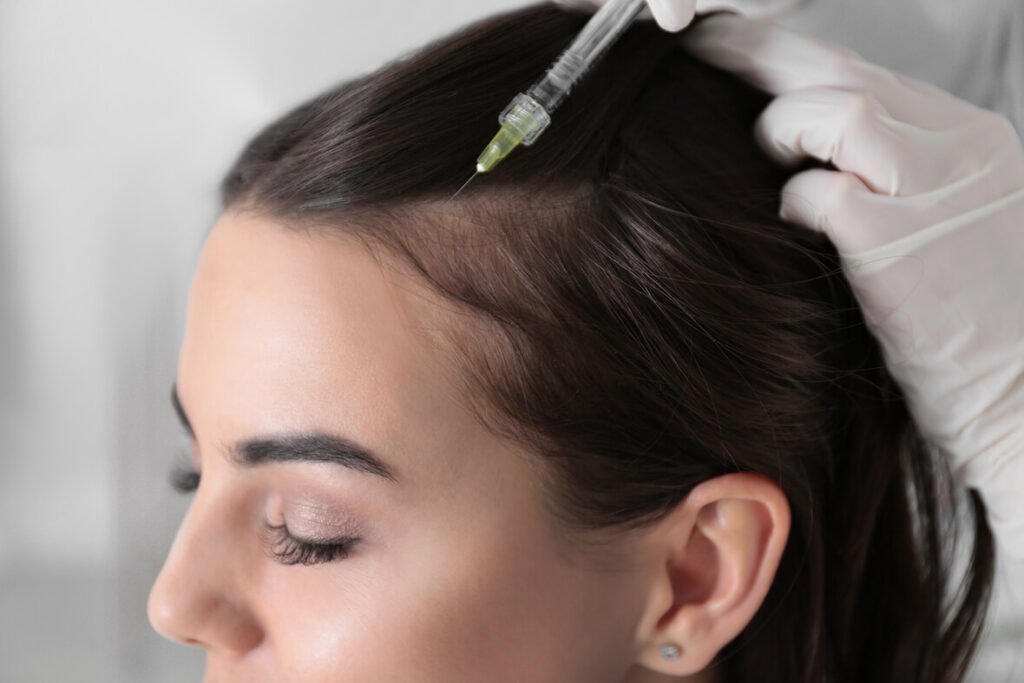
Platelet-Rich Plasma (PRP) therapy has become a favored, minimally invasive treatment for hair loss, widely used in South Korea’s advanced hair restoration clinics. As more patients inquire about PRP, a common question arises: Is PRP hair treatment safe for all ages?
Korean dermatologists and hair specialists provide expert guidance on the suitability and safety of PRP therapy for different age groups, helping patients make informed decisions.
What Is PRP Hair Treatment?
PRP therapy involves injecting concentrated platelets from your own blood into the scalp to stimulate hair follicles and promote regrowth. Because it uses your own biological material, PRP is generally considered safe with low risk of side effects.
Age Considerations: Korea’s Medical Perspective
1. Teens and Young Adults (Under 25)
- Hair loss is less common but can occur due to genetics, medical conditions, or stress.
- Korean doctors typically recommend diagnosing underlying causes before PRP treatment.
- PRP can be safe if hair thinning is confirmed, but other treatments or lifestyle changes may be prioritized first.
- Generally, PRP is not the first-line treatment for teenagers unless prescribed by a specialist.
2. Adults (25 to 50 Years)
- This age group is the most common recipient of PRP therapy in Korea.
- Korean clinics report high safety and effectiveness for early to moderate androgenetic alopecia in adults.
- PRP is often combined with medications or hair transplants for enhanced results.
- Treatment plans are tailored according to hair loss severity, health status, and patient goals.
3. Older Adults (50+ Years)
- Korean specialists confirm that PRP remains safe for older patients, provided overall health is good.
- Hair follicles may respond more slowly, and results can vary, but PRP can improve scalp health and hair density.
- Careful evaluation of medical history is crucial, especially for those with chronic diseases or blood disorders.
What Does Korean Research Say About PRP Safety?
- Clinical studies from Korea emphasize PRP’s low complication rate, with mostly mild side effects like scalp redness or tenderness.
- No serious adverse reactions have been widely reported across age groups.
- Korean guidelines stress the importance of sterile techniques and proper patient screening to maintain safety.
Who Should Avoid PRP Hair Treatment?
- Patients with blood disorders or platelet dysfunction.
- Those on certain blood-thinning medications without medical clearance.
- Pregnant or breastfeeding women, as clinical data is limited.
- Individuals with active scalp infections or inflammation.
Additional Safety Measures in Korean Clinics
- Comprehensive pre-treatment consultations including medical history review.
- Blood tests and scalp examinations to ensure patient suitability.
- Use of high-quality centrifuges and injection equipment.
- Post-treatment monitoring and follow-up care.
Conclusion: Is PRP Safe for All Ages?
According to Korean medical experts, PRP hair treatment is generally safe for a wide range of ages, especially adults between 25 and 50. For younger or older patients, careful evaluation and individualized treatment plans ensure safety and effectiveness.
If you’re considering PRP therapy at a Korean clinic, it’s important to consult with a hair specialist who can assess your age, health condition, and hair loss pattern to recommend the best approach.


