
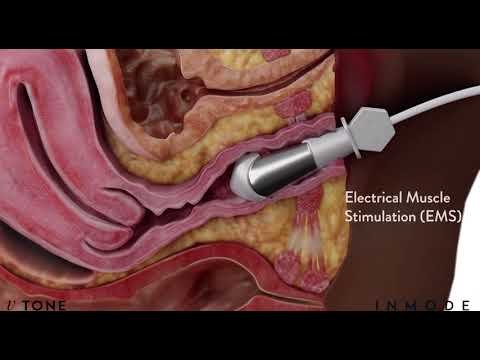
Vaginal rejuvenation has gained significant popularity as a treatment option for women experiencing vaginal laxity, dryness, and discomfort after childbirth or during menopause. However, safety is a top concern for many patients, especially those who are postpartum or postmenopausal. This detailed guide explains the safety considerations, benefits, and what these women should know before pursuing vaginal rejuvenation treatments.
👶 Vaginal Rejuvenation for Postpartum Women: Safety and Benefits
Why Postpartum Women Consider Vaginal Rejuvenation:
Childbirth—especially vaginal delivery—can stretch and sometimes damage vaginal tissues and pelvic floor muscles. This may lead to:
- Vaginal laxity and loss of tightness
- Decreased sensation during intercourse
- Urinary incontinence or mild pelvic organ prolapse
- Discomfort or pain
Safety Considerations:
- Timing: Vaginal rejuvenation treatments are generally safe once the body has sufficiently healed postpartum, typically after 3-6 months. Early treatment can interfere with healing.
- Non-Invasive Options Preferred: Non-surgical treatments like laser or radiofrequency therapy are favored because they are minimally invasive, with low risk of infection or complications.
- Provider Assessment: A thorough pelvic exam by a specialist is essential to rule out active infections, tears, or other conditions that require medical management before rejuvenation.
- Customized Protocols: Treatment intensity and number of sessions are often adjusted to suit postpartum healing status and symptoms.
Benefits for Postpartum Patients:
- Restores vaginal elasticity and tissue thickness
- Enhances blood flow and natural lubrication
- Improves pelvic floor support indirectly by tightening vaginal walls
- Reduces urinary symptoms like stress incontinence in some cases
- Supports sexual wellness and confidence
🌸 Vaginal Rejuvenation for Postmenopausal Women: Safety and Effectiveness
Why Postmenopausal Women Seek Vaginal Rejuvenation:
Declining estrogen levels after menopause cause genitourinary syndrome of menopause (GSM), characterized by:
- Vaginal atrophy and thinning
- Dryness and irritation
- Painful intercourse (dyspareunia)
- Increased risk of infections and urinary symptoms
Safety Aspects:
- Vaginal rejuvenation is considered safe and effective for postmenopausal women, including those who cannot or prefer not to use hormone replacement therapy.
- Treatments stimulate collagen production and improve tissue health without hormones, making them suitable for women with hormone-sensitive conditions.
- Careful patient evaluation ensures no active infections or contraindications.
- Mild side effects like temporary redness or swelling typically resolve quickly.
Benefits for Postmenopausal Patients:
- Restores vaginal mucosal thickness and elasticity
- Increases natural lubrication and reduces dryness
- Improves pH balance and microbial health
- Decreases urinary frequency and urgency in some cases
- Enhances sexual function and comfort
⚠️ General Safety Guidelines for Both Groups
- Consult a Specialist: Always undergo a detailed medical and gynecological evaluation before treatment.
- Avoid During Active Infections: Any vaginal infections, inflammations, or wounds must be treated before rejuvenation.
- Follow Post-Treatment Care: Adhere to recommended aftercare, including avoiding intercourse or strenuous activities for the advised period.
- Consider Individual Health Factors: Discuss any chronic conditions or medications with your provider.
- Choose Experienced Providers: Ensure treatments are performed by qualified clinicians trained in vaginal rejuvenation technologies.
📅 Treatment and Recovery Insights
| Factor | Postpartum Women | Postmenopausal Women |
|---|---|---|
| Optimal Timing | After 3-6 months postpartum | Any time after menopause symptoms begin |
| Treatment Types | Non-invasive lasers, RF, PRP preferred | Lasers, RF, PRP, often non-hormonal |
| Number of Sessions | Typically 2-4, tailored to healing stage | 2-4 sessions, sometimes maintenance |
| Downtime | Minimal; some mild soreness or discharge | Minimal; mild redness or swelling possible |
| Precautions | Ensure full postpartum healing | Rule out infections, malignancy |
🔍 Summary: Is Vaginal Rejuvenation Safe?
| Patient Group | Safety Profile | Key Benefits | Important Notes |
|---|---|---|---|
| Postpartum Women | Generally safe after healing | Tissue tightening, pelvic support, symptom relief | Wait 3-6 months postpartum, specialist evaluation required |
| Postmenopausal Women | Safe and effective | Relieves dryness, atrophy, improves sexual function | Non-hormonal options available, suitable for hormone-sensitive cases |
🧑⚕️ Final Thoughts
Vaginal rejuvenation is a safe and effective treatment option for many postpartum and postmenopausal women seeking to improve vaginal health, function, and comfort. Safety depends largely on appropriate timing, individualized assessment, and receiving treatment from experienced healthcare providers.
For women recovering from childbirth or navigating menopause symptoms, vaginal rejuvenation can significantly enhance quality of life by restoring tissue health and boosting confidence.


