
Treatment Overview
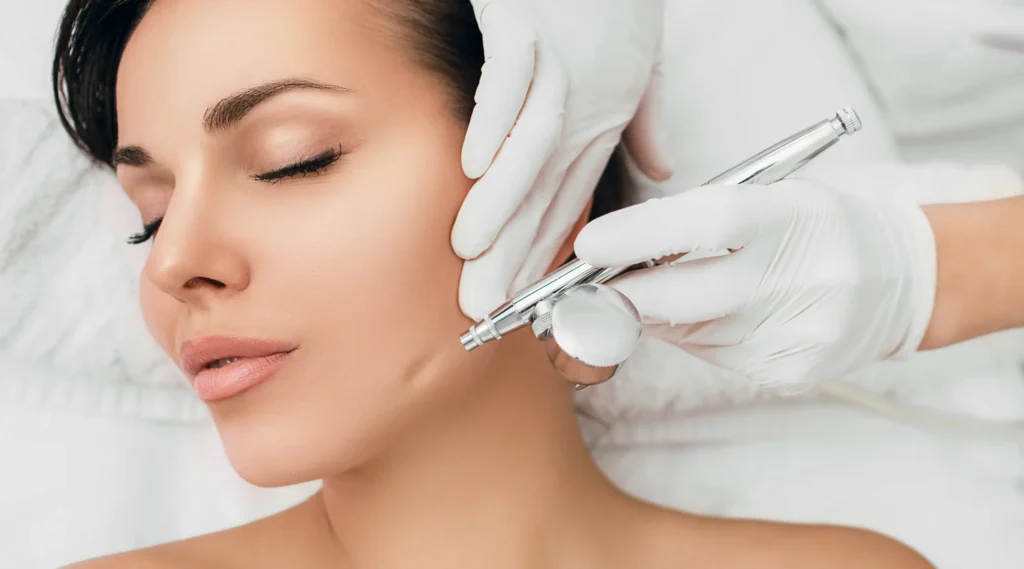
Jawline definition fillers are a non-surgical cosmetic procedure designed to enhance and contour the jawline using injectable dermal fillers. In Korea, this treatment is widely sought after because a sharp, well-defined jawline is associated with youth, attractiveness, and confidence. With aging or genetics, the jawline can appear less structured due to sagging skin, fat loss, or bone resorption. By strategically placing fillers along the mandible, Korean dermatologists restore lost volume, create sharper definition, and balance facial proportions.
Korean clinics are globally recognized for their advanced techniques and artistry in jawline contouring. Using hyaluronic acid (HA)-based fillers or other long-lasting filler types, doctors ensure a natural yet sculpted look, tailored to each patient’s anatomy and beauty goals.
Purpose & Benefits
Jawline definition fillers in Korea offer multiple benefits:
- Sharpen and enhance a weak or recessed jawline
- Restore lost volume due to aging
- Improve facial symmetry and proportion
- Reduce the appearance of jowls or sagging skin
- Provide a non-surgical alternative to jaw implants or surgery
- Quick, minimally invasive procedure with immediate results
- Can be combined with chin fillers, cheek fillers, or Botox for slimming and contouring
For men, fillers can create a strong, masculine jawline, while for women, the goal is often a sleek, elegant contour that frames the face beautifully.
Ideal Candidates
This procedure is suitable for:
- Individuals with a weak, undefined, or sagging jawline
- Patients looking for non-surgical facial contouring
- Those with mild to moderate volume loss in the lower face
- Patients who desire natural yet noticeable results
- Individuals in good health with realistic expectations
Pregnant or breastfeeding women and people with active skin infections or allergies to filler substances should avoid treatment.
Possible Risks & Complications
While considered safe, jawline filler injections carry potential side effects such as:
- Temporary swelling, redness, or bruising
- Mild tenderness or discomfort at the injection sites
- Asymmetry if fillers are not evenly distributed
- Rare vascular complications if not performed correctly
Korean dermatologists use micro-cannula techniques and ultrasound-guided injections to minimize risks and ensure safety.
Techniques Used in Korea
Korean clinics are pioneers in facial harmony and 3D contouring. For jawline fillers, they use:
- Layered injection techniques – Fillers are placed along the mandibular angle and line for structure and lift
- Micro-cannula application – Reduces bruising and improves safety
- Customized filler types – High-density HA fillers or calcium hydroxyapatite for long-lasting results
- Combination treatments – Often paired with Botox for masseter reduction or chin fillers for optimal contour
- Artistic sculpting approach – Ensures balance with the cheeks, chin, and overall facial profile
Recovery & Aftercare
Recovery is generally quick, and patients can resume normal activities right after the session. Korean clinics recommend:
- Avoiding pressure or massage on the jawline for 24 hours
- Skipping hot saunas, alcohol, and vigorous exercise for 1–2 days
- Following up for touch-ups if needed to refine results
Mild swelling or tenderness may occur but usually resolves within a few days.
Results & Longevity
Results are visible immediately after treatment, with full effects noticeable once any swelling subsides. Depending on the filler type, jawline results typically last 12–18 months, with some lasting up to 24 months. Regular maintenance helps sustain a defined, youthful jawline.
Patients can expect a sharper, more balanced jawline that enhances their overall facial proportions and profile.
Treatment Process in Korea
The process generally follows these steps:
- Consultation – Assessment of facial structure and discussion of goals
- Marking injection points – Strategic planning for symmetry and definition
- Application of numbing cream – Ensures patient comfort
- Injection – Fillers are carefully placed using needle or cannula techniques
- Shaping & balancing – The jawline is contoured for a natural, structured appearance
- Post-care instructions – Guidance for aftercare and long-term maintenance
Korean clinics are particularly respected for their precision, artistry, and safety protocols, making them a global destination for jawline fillers.
Cost of Jawline Fillers in Korea
The cost varies based on the filler type, clinic reputation, and amount of product required:
- Standard treatment: 700,000 – 1,200,000 KRW (USD $520 – $900)
- Premium fillers or expert clinics: 1,200,000 – 2,000,000 KRW (USD $900 – $1,500)
Top Clinics in Korea
- Banobagi Dermatology – Renowned for facial contouring and natural filler results
- ID Dermatology Clinic – Specializes in sculpting masculine and feminine jawlines
- Oracle Dermatology – Offers advanced filler and Botox combinations
- Cinderella Plastic Surgery & Dermatology – Focuses on harmony-based lower face shaping
- REGEN Dermatology Clinic – Expertise in non-surgical jawline and chin contouring


