
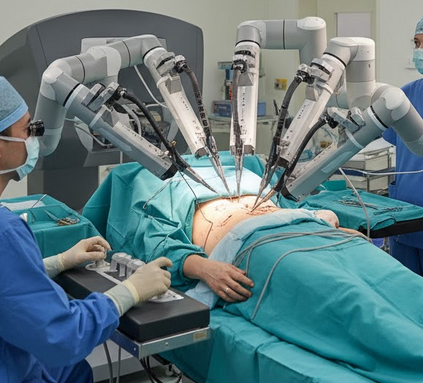
Treatment Overview
The Jeju Robotic Vaginal Prolapse Repair Surgery Program in Korea represents one of the most advanced and precise treatment options for women suffering from vaginal or pelvic organ prolapse. Utilizing cutting-edge robotic-assisted technology, this program provides unparalleled accuracy in repairing weakened pelvic structures and restoring natural organ alignment with minimal discomfort and faster recovery times.
Performed by leading urogynecologic specialists in Jeju, this program combines robotic surgical precision, 3D visualization, and minimally invasive techniques to reinforce the vaginal walls and re-anchor prolapsed organs. The approach is enhanced by hormonal support therapy and pelvic rehabilitation, creating a holistic treatment experience that addresses both physical restoration and long-term functional health.
Purpose & Benefits
The primary purpose of the Jeju Robotic Vaginal Prolapse Repair Surgery Program is to rebuild pelvic stability and restore the natural positioning of pelvic organs affected by childbirth, menopause, or aging.
Key benefits include:
- Highly precise correction of vaginal, uterine, or bladder prolapse.
- Minimal scarring and reduced postoperative pain.
- Shorter hospital stays and quicker recovery compared to open surgery.
- Enhanced visualization of pelvic anatomy for safer, more accurate repair.
- Improved urinary control, bowel function, and sexual comfort.
- Long-lasting results with low recurrence rates.
- Integration of hormonal balance and rehabilitation therapies for comprehensive recovery.
This robotic-assisted method offers superior functional and aesthetic outcomes, improving both the physical structure and the quality of life for patients.
Ideal Candidates
This program is ideal for women who:
- Experience vaginal or pelvic organ prolapse with symptoms of bulging, pressure, or discomfort.
- Suffer from urinary incontinence or bowel issues related to pelvic floor weakness.
- Are postmenopausal and have hormonal or tissue decline.
- Have recurrent prolapse following previous surgeries.
- Seek a minimally invasive, long-term solution with enhanced precision and reduced downtime.
- Value advanced technology and integrated aftercare for optimal pelvic health.
Possible Risks & Complications
Robotic vaginal prolapse repair in Korea is exceptionally safe when performed by expert surgeons. However, as with all surgical procedures, minor risks may include mild pain, temporary urinary retention, or light bleeding. Rarely, infection or prolapse recurrence can occur, though robotic accuracy significantly lowers these risks.
Korean clinics perform comprehensive preoperative assessments, including hormonal profiling and imaging, to ensure patient safety and tailor treatment for individual anatomy and tissue health.
Surgical Techniques Used
The Jeju Robotic Vaginal Prolapse Repair Surgery Program employs the Da Vinci Robotic System and other advanced laparoscopic tools to achieve precision beyond human capability:
- Robotic-Assisted Pelvic Reconstruction: High-precision instrument control allows secure tissue suturing and reinforcement of pelvic supports.
- 3D Visualization and Magnification: Provides enhanced depth perception for delicate ligament and fascia repair.
- Mesh-Free or Bio-Mesh Options: Uses either natural tissue reinforcement or biocompatible mesh for long-lasting results.
- Vault or Uterine Suspension Techniques: Corrects vaginal vault descent or uterine prolapse by reattaching support ligaments.
- Hormonal and Tissue Regeneration Therapy: Topical estrogen or regenerative agents are used to aid healing and strengthen tissues.
- Pelvic Floor Rehabilitation Integration: Postoperative physiotherapy to restore muscle tone and prevent recurrence.
This approach ensures precise correction, natural results, and long-term pelvic stability.
Recovery & Aftercare
Recovery after robotic prolapse surgery is typically faster and more comfortable than traditional surgical methods. Most patients resume normal daily activities within one week and achieve full recovery within 4–6 weeks.
Aftercare guidelines include:
- Avoid strenuous exercise and sexual activity for 6–8 weeks.
- Follow prescribed medications and topical hormone therapy to aid tissue healing.
- Attend follow-up visits for robotic imaging and recovery monitoring.
- Engage in pelvic rehabilitation therapy to maintain optimal muscle support.
- Follow a balanced diet and hydration routine to prevent pressure on the pelvic floor.
Jeju clinics provide comprehensive aftercare combining medical follow-up, physical rehabilitation, and hormonal support, ensuring complete healing and stability.
Results & Longevity
Patients typically experience immediate relief from prolapse symptoms, improved pelvic stability, and restored vaginal structure. Because robotic precision allows highly controlled and symmetrical repairs, outcomes are both functional and aesthetic.
Results are long-lasting, often extending beyond 10–15 years with appropriate maintenance and hormonal care. Enhanced bladder control, restored vaginal tone, and renewed sexual confidence are among the most commonly reported improvements.
Treatment Process in Korea
In Korea, the treatment process begins with a detailed consultation and pelvic floor diagnostic evaluation. Using high-resolution imaging such as 3D ultrasound or MRI, surgeons assess organ alignment, muscle strength, and tissue quality. Based on the findings, a personalized surgical plan is created.
The procedure is performed under anesthesia using robotic-assisted techniques through small incisions, ensuring minimal trauma and precise correction. Postoperative care includes hormone balancing, physiotherapy, and emotional wellness counseling, reflecting Korea’s holistic approach to women’s pelvic health.
The Jeju program distinguishes itself by combining advanced robotics with the serene healing environment of Jeju Island, allowing patients to recover comfortably in a restorative setting.
Cost Range
The cost of the Jeju Robotic Vaginal Prolapse Repair Surgery Program varies depending on the complexity of the case, materials used, and recovery program. On average:
- ₩10,000,000 to ₩15,000,000 KRW (approximately $7,300–$11,000 USD) for standard robotic prolapse repair.
- ₩15,000,000 to ₩20,000,000 KRW (around $11,000–$14,600 USD) for advanced programs including hormone therapy, rehabilitation, and post-surgical follow-up.
These costs include consultation, diagnostic imaging, surgery, hospitalization, and aftercare programs.
Popular Clinics
- Jeju Women’s Health & Wellness Center: Specializes in robotic pelvic reconstruction and hormonal balance programs.
- Daehan Women’s Health Center: Offers comprehensive robotic pelvic surgeries with advanced rehabilitation care.
- Cheongdam Premier Clinic: Provides minimally invasive robotic gynecologic procedures with tissue-preserving techniques.
- Chaum Wellness Center: Integrates robotic surgery, hormonal therapy, and personalized wellness for holistic recovery.


