
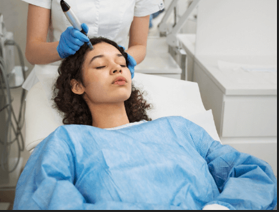
Treatment Overview
K-Laser Brightening Therapy in Korea is an advanced, non-invasive dermatology treatment designed to improve skin tone, clarity, and overall radiance while reducing pigmentation, fine lines, and minor acne scars. K-Laser utilizes low-level laser light (LLLT) to penetrate the skin’s layers, stimulating cellular repair, collagen production, and melanin regulation. This laser therapy enhances skin brightness and texture without causing damage or downtime.
Korean dermatologists often combine K-Laser Brightening with Vitamin C, Glutathione, or Collagen IV therapies to accelerate whitening, hydration, and rejuvenation. Korea’s advanced laser technology, skilled specialists, and customized treatment protocols make it a top destination for patients seeking safe and effective skin brightening treatments.
Purpose & Benefits
- Reduces Pigmentation: Targets sun spots, freckles, melasma, and post-inflammatory marks.
- Enhances Skin Brightness: Improves overall skin tone and radiance.
- Stimulates Collagen Production: Promotes firmer, smoother, and more youthful skin.
- Non-Surgical & Minimally Invasive: Provides visible whitening without incisions or downtime.
- Improves Skin Texture: Smooths fine lines, rough patches, and minor scars.
- Combination Therapy Compatible: Can be paired with IV therapies like Vitamin C or Glutathione for enhanced effects.
Ideal Candidates
- Adults with uneven skin tone, pigmentation, or dull skin.
- Individuals with early signs of aging or minor texture issues.
- Patients seeking non-invasive skin whitening and rejuvenation.
- Those interested in combination therapies for more dramatic and long-lasting results.
Possible Risks & Complications
- Mild redness, warmth, or slight swelling immediately after treatment.
- Temporary sensitivity or tingling during and after therapy.
- Rare risks include temporary hyperpigmentation or minor irritation.
- Results vary depending on skin type, pigmentation depth, and individual response.
Techniques Used
- K-Laser (Low-Level Laser Therapy, LLLT): Uses targeted light energy to stimulate collagen, elastin, and melanin regulation.
- Customized Protocols: Energy levels, pulse duration, and treatment frequency adjusted to individual skin type and concerns.
- Combination Approaches: Often paired with IV whitening therapies such as Vitamin C, Glutathione, or Collagen for enhanced brightness.
- Advanced Korean Protocols: Precise delivery ensures safe, effective results with minimal downtime and natural skin appearance.
Recovery & Aftercare
- Mild redness or warmth typically resolves within a few hours.
- No significant peeling or downtime, allowing patients to resume normal activities immediately.
- Sun protection is essential; apply high SPF sunscreen daily.
- Gentle skincare recommended; avoid harsh exfoliants for 1–2 days.
Results & Longevity
- Immediate: Skin appears refreshed, hydrated, and slightly brighter.
- 2–4 Weeks: Pigmentation gradually fades, and skin tone becomes more even.
- 1–3 Months: Full benefits of collagen stimulation and skin rejuvenation visible.
- Maintenance: Periodic sessions every 4–6 weeks recommended for long-term whitening and radiance.
Treatment Process in Korea
- Consultation & Assessment
- Dermatologist evaluates skin tone, pigmentation, and overall texture.
- Personalized K-Laser plan created, including number of sessions and optional combination therapies.
- Skin Preparation
- Cleansing and protective eye shields applied.
- Topical numbing cream may be used for sensitive skin areas.
- K-Laser Application
- Low-level laser light delivered across the targeted areas.
- Parameters adjusted for skin type, pigmentation, and desired results.
- Optional Combination Therapy
- IV therapies such as Vitamin C, Glutathione, or Collagen can be administered post-treatment to boost whitening, hydration, and rejuvenation.
- Post-Treatment Care
- Cooling gels or soothing creams applied immediately.
- Patients advised on sun protection and gentle skincare routines.
- Follow-Up & Maintenance
- Follow-up sessions scheduled depending on skin condition and desired outcomes.
- Combination therapies recommended for patients seeking enhanced brightness and long-lasting effects.
Korea is a top destination for K-Laser Brightening due to its highly advanced devices, expert dermatologists, and meticulous protocols, ensuring safe, natural, and effective results.
💰 Cost Range in Korea
- Single Session: ₩150,000 – ₩400,000 (~USD 115–310)
- 3-Session Package: ₩400,000 – ₩1,000,000 (~USD 310–770)
- 5-Session Advanced Package (with optional IV Whitening): ₩900,000 – ₩2,000,000 (~USD 690–1,540)
Costs vary depending on clinic, number of sessions, treatment area, and inclusion of combination therapies.
Popular Clinics in Korea
- Banobagi Dermatology (Seoul): Offers K-Laser treatments combined with Vitamin C or Glutathione IV therapies.
- Oracle Dermatology Clinics: Known for precise protocols targeting pigmentation, texture, and radiance.
- Renewme Skin Clinic: Specializes in safe, effective skin brightening and anti-aging treatments.
- ID Hospital Gangnam: Customizes K-Laser sessions with optional combination IV therapies for optimal results.
- View Plastic Surgery & Dermatology: Experts in non-invasive laser whitening, collagen stimulation, and skin rejuvenation.


