
Treatment Overview
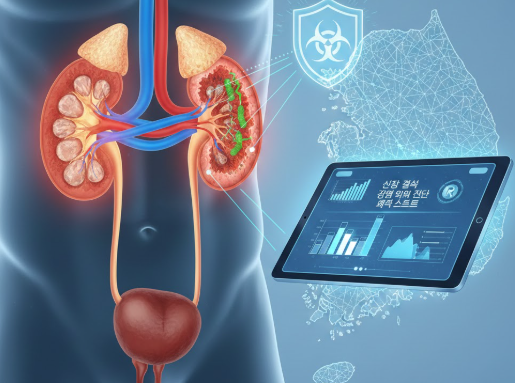
Kidney stones can increase the risk of urinary tract infections (UTIs) by obstructing urine flow and providing a surface for bacterial growth. In severe cases, this can progress to pyelonephritis or even sepsis if untreated.
Korea offers advanced diagnostic programs for evaluating kidney stones and associated infection risk, combining laboratory tests, imaging, and expert urologist consultations. These services are designed to prevent complications and ensure optimal kidney and urinary tract health.
Purpose & Benefits
The primary purpose of this evaluation is to identify kidney stones and assess the risk or presence of infection. Benefits include:
- Early detection of stones and associated urinary tract infection
- Assessment of stone size, location, and obstruction
- Accurate diagnosis of infection severity and causative pathogens
- Prevention of serious complications like kidney damage or sepsis
- Personalized treatment plans for both stone management and infection control
- Comprehensive care and support for international patients
Ideal Candidates
Diagnosis of kidney stones with infection risk is recommended for individuals who:
- Experience urinary symptoms such as dysuria, frequent urination, or cloudy urine
- Have hematuria (blood in urine) or flank pain
- Show recurrent urinary tract infections
- Have a history of kidney stones
- Present with fever or signs of systemic infection
- Require preventive evaluation before surgical procedures
Possible Risks & Complications
Without timely diagnosis, kidney stones with infection risk may lead to:
- Severe urinary tract infections, including pyelonephritis
- Obstruction of urine flow causing hydronephrosis
- Kidney damage or chronic kidney disease
- Sepsis in severe cases
Diagnostic procedures in Korea carry minimal risks, such as:
- Temporary discomfort during urine sample collection or imaging
- Rare allergic reactions to contrast agents used in CT scans
- Mild anxiety or stress during procedures
Early evaluation significantly reduces these risks and ensures safe management.
Techniques & Technology Used
Korean hospitals use advanced diagnostic techniques to evaluate kidney stones and infection risk:
Urine Analysis and Culture – Detect bacteria, white blood cells, and infection markers.
Blood Tests – Assess kidney function and systemic infection indicators.
Ultrasound Imaging – Identifies stones, obstruction, and signs of kidney swelling.
CT / CT Urography – High-resolution imaging for precise localization of stones and assessment of obstruction.
X-Ray (KUB) – Detects radiopaque stones and assesses urinary tract health.
Cystoscopy – Examines the bladder for stones, infections, or other abnormalities if required.
Integrated Diagnostics – Combines lab tests, imaging, and patient history for comprehensive assessment.
These techniques ensure accurate evaluation and effective prevention of infection-related complications.
Treatment Process in Korea
The evaluation and management process includes:
- Initial Consultation
Urologists review patient history, symptoms, and previous lab or imaging results. - Laboratory Testing
Urine and blood samples are analyzed for infection markers, kidney function, and metabolic risk factors. - Imaging Studies
Ultrasound, CT, or X-ray identifies stone location, size, obstruction, and kidney condition. - Diagnosis & Risk Assessment
Specialists assess infection risk based on urinary obstruction, stone burden, and lab results. - Treatment Planning
Based on findings, treatment may include:- Antibiotics to treat or prevent infection
- Hydration and medications to facilitate stone passage
- Minimally invasive procedures like ureteroscopy or laser lithotripsy
- Preventive strategies for recurrent stones and UTIs
- Follow-up evaluation to ensure infection clearance
- Follow-Up & Monitoring
Regular lab tests and imaging confirm resolution of stones and infection, and monitor urinary tract health.
Recovery & After-Care
Recovery depends on the treatment method:
- Observation & Medication: Quick relief and minimal disruption to daily activities
- Minimally Invasive Procedures: 1–3 days, mild urinary discomfort may occur
- Surgical Interventions: 1–2 weeks depending on procedure complexity
After-care includes:
- Completing prescribed antibiotics and medications
- Adequate hydration to prevent new stones and infections
- Monitoring urine color, frequency, and symptoms
- Attending follow-up appointments to ensure infection resolution and urinary tract health
Korean hospitals provide detailed guidance for international patients to ensure safe recovery.
Results & Longevity
Timely assessment of kidney stones and infection risk leads to:
- Early detection and treatment of stones and UTIs
- Prevention of complications such as kidney damage or sepsis
- Relief from pain, obstruction, and urinary symptoms
- Long-term monitoring to prevent recurrence of stones and infections
- Improved kidney and urinary tract health
Korea’s advanced diagnostic tools and experienced urologists provide accurate evaluation and effective management for lasting results.
Why Korea Is a Top Destination
Korea is a leading destination for kidney stones and infection risk assessment because of:
- Advanced imaging and laboratory facilities
- Expert urologists experienced in stone and infection management
- Integrated diagnostic approach combining labs, imaging, and history
- Rapid and accurate evaluation for international patients
- Patient-friendly services with language assistance and follow-up care
- Transparent pricing and internationally accredited hospitals
These factors make Korea ideal for safe, precise, and comprehensive evaluation and treatment.
Cost Range
Estimated costs for kidney stones and infection risk diagnosis in Korea:
- Consultation: $20–$50
- Urine and Blood Tests: $20–$80
- Ultrasound Imaging: $50–$120
- X-Ray (KUB): $50–$100
- CT / CT Urography: $250–$700
- Cystoscopy: $200–$400
- Minimally Invasive Procedures: $500–$1,500
- Surgical Interventions: $1,500–$3,000
Costs vary depending on hospital, diagnostic type, and treatment plan.
Popular Clinics in Korea
Top hospitals providing kidney stones and infection risk diagnosis include:
- Seoul National University Hospital
- Asan Medical Center
- Samsung Medical Center
- Severance Hospital (Yonsei University)
- CHA Bundang Medical Center
- Wooridul Urology Clinic
These hospitals are recognized for precise diagnostics, expert treatment, and comprehensive follow-up for both local and international patients.


