
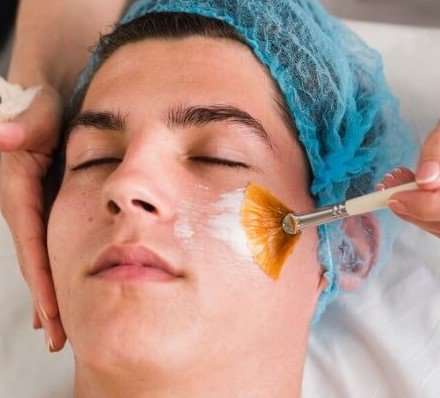
Treatment Overview
The Kojic Acid Peel is a skin-brightening chemical peel that uses kojic acid—a natural byproduct of rice fermentation and certain fungi—well-known for its melanin-inhibiting properties. Kojic acid works by suppressing tyrosinase enzyme activity, reducing melanin production while gently exfoliating the outer layers of the skin.
In Korean dermatology clinics, Kojic Acid Peels are often used to treat melasma, PIH (post-inflammatory hyperpigmentation), freckles, sunspots, and uneven tone. They are typically applied as supportive treatments in pigmentation programs, often combined with laser therapies like Pico, Alexandrite, or Q-switched Nd:YAG for enhanced results.
Purpose & Benefits
- Melanin Suppression: Reduces melanin production at the source.
- Pigment Fading: Helps lighten freckles, sunspots, PIH, and melasma.
- Skin Brightening: Creates a clearer, more radiant complexion.
- Safe for Asian Skin: Gentle protocols minimize PIH rebound.
- Antioxidant Action: Provides mild protection against oxidative stress.
Ideal Candidates
Kojic Acid Peel in Korea is recommended for:
- Patients with melasma or PIH needing safe, gradual brightening.
- Adults with freckles, sunspots, or solar lentigines.
- Individuals with dull or uneven skin tone.
- Sensitive or PIH-prone Asian skin types seeking a gentle peel.
- Patients looking for a maintenance or adjunctive peel alongside lasers.
Possible Risks & Complications
- Mild Redness or Stinging: Temporary, fades in hours.
- Peeling or Flaking: Light exfoliation as dead skin sheds.
- Dryness or Sensitivity: Temporary, managed with moisturizers.
- Rare Risks: PIH if aftercare or sun protection is neglected.
- Allergic Reactions: Uncommon, but possible for sensitive skin.
Surgical Techniques Used
- Kojic Acid (Primary Agent): Inhibits melanin production.
- Blended Peel Formulas: Often combined with glycolic or lactic acid for enhanced exfoliation.
- Layered Application: Peel applied in thin layers for controlled penetration.
- Combination Protocols: Frequently paired with Pico, Nd:YAG, or whitening drips.
- Protocol: Typically 3–6 sessions, spaced 2–4 weeks apart.
Recovery & Aftercare
- Immediately: Mild redness, warmth, or tingling.
- 1–3 Days: Slight dryness or sensitivity.
- 3–7 Days: Gentle peeling or flaking; pigment may darken before fading.
- 1–2 Weeks: Brighter, smoother, more even skin tone.
Aftercare Tips:
- Apply SPF 50+ sunscreen daily.
- Avoid direct sun, saunas, and intense workouts for 48 hours.
- Use hydrating and soothing creams to restore barrier.
- Avoid exfoliants, acids, or retinoids for 5–7 days.
- Do not pick at peeling skin.
Results & Longevity
- After 1 Session: Fresher glow, mild tone brightening.
- After 2–3 Sessions: Visible fading of freckles, PIH, and melasma.
- After 4–6 Sessions: Significant improvement in pigmentation and overall clarity.
- Long-Term: Maintenance peels every 2–3 months help sustain results.
Treatment Process in Korea
1. Consultation & Skin Analysis
- Dermatologist evaluates pigmentation type and depth.
- Kojic acid peel chosen for patients needing safe, antioxidant-supported brightening.
2. Preparation
- Cleansing and degreasing of the skin.
- Protective eyewear if combined with light therapy.
3. Kojic Acid Peel Session
- Step 1: Application of kojic acid peel solution in layers.
- Step 2: Controlled timing to allow gradual penetration.
- Step 3: Neutralization and cleansing.
- Step 4: Soothing cream or whitening serum applied.
- Duration: 15–20 minutes.
4. Post-Treatment Care in Clinic
- Hydrating creams and SPF applied.
- Optional LED or cooling mask for comfort.
5. Follow-Up
- 3–6 sessions recommended, depending on pigment severity.
- Combined with Pico, Alexandrite, or whitening drips for best results.
Unique Korean Advantages
- Gentle Melasma Protocols: Korean dermatologists adapt kojic acid peels for safe use on Asian skin.
- Combination-Oriented: Often paired with whitening drips, Pico toning, or serums.
- Brightening Add-Ons: Frequently followed by antioxidant or vitamin infusions.
- Affordable Maintenance: Cost-effective adjunct to laser pigmentation treatments.
Cost Range (Estimated)
- Single Session (Full Face): USD 100 – 200
- 3–6 Session Package: USD 300 – 800
- Premium Program (Kojic Acid Peel + Laser + Whitening Drips): USD 1,000 – 2,000
Additional Costs:
- Consultation: USD 20 – 50
- Add-ons (Vitamin C, TXA, Glutathione infusions): USD 80 – 200
- Boosters (PRP, Rejuran, Exosomes): USD 200 – 500
- LED or Cooling Mask Therapy: USD 30 – 80
Popular Clinics in Seoul
- Oracle Dermatology: Kojic Acid Peel for melasma and PIH.
- Banobagi Dermatology: Kojic Peel combined with Pico for stubborn pigmentation.
- Renewme Skin Clinic: Kojic Acid Peel + whitening drips for brightening.
- View Plastic & Dermatology: Kojic Acid Peel paired with pigment-targeting lasers.
- Chaum Anti-Aging Center: Premium Kojic Acid Peel programs with regenerative boosters.


