
Treatment Overview
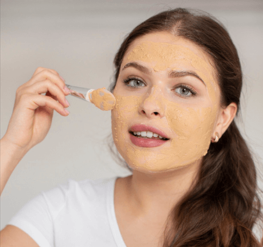
Kojic Acid Whitening Peel in Korea is a skin-brightening chemical peel that uses kojic acid, a natural compound derived from mushrooms and fermented rice, known for its ability to inhibit melanin production. This peel gently exfoliates the skin while targeting pigmentation, uneven tone, and dullness, resulting in a lighter, smoother, and more radiant complexion across the body.
In Korean dermatology clinics, kojic acid peels are popular for patients seeking gradual, natural-looking whitening. They are often combined with arbutin peels, glutathione drips, mesotherapy, or carbon laser toning as part of advanced body whitening programs.
Purpose & Benefits
- Skin Whitening: Reduces melanin to achieve a lighter, brighter skin tone.
- Pigmentation Control: Fades sun damage, dark patches, and post-inflammatory marks.
- Gentle Exfoliation: Removes dead skin cells for smoother texture.
- Even Skin Tone: Corrects patchiness and dullness across body areas.
- Safe & Natural: Kojic acid is considered gentler than hydroquinone-based peels.
Ideal Candidates
Kojic Acid Whitening Peel in Korea is recommended for:
- Individuals with mild to moderate pigmentation.
- Patients with dull or uneven body tone.
- Those who prefer natural whitening ingredients.
- People with sensitive skin who cannot tolerate harsher peels.
- Patients combining whitening peels with IV drips or lasers for faster results.
Possible Risks & Complications
- Mild Redness or Tingling: Temporary, fades within a few hours.
- Light Peeling & Flaking: Common as skin renews.
- Dryness or Tightness: Managed with moisturizers.
- Rare Risks: Irritation or contact dermatitis in very sensitive skin.
- Not Suitable For: Patients with open wounds, eczema, or allergies to kojic acid.
Surgical Techniques Used
Though non-surgical, kojic acid peels are applied under dermatological supervision:
- Kojic Acid Peel Solution: Applied to inhibit melanin activity.
- Multi-Acid Blends: Often combined with glycolic or lactic acid for stronger exfoliation.
- Layered Application: Adjusted depending on skin sensitivity and treatment area.
- Korean Combination Protocols: Paired with glutathione drips, mesotherapy, or carbon laser toning for enhanced results.
- Sessions Required: 3–6 treatments spaced 2–4 weeks apart.
Recovery & Aftercare
- Immediately: Skin feels smoother, mild redness possible.
- 2–5 Days: Light peeling or flaking as new skin surfaces.
- 1–2 Weeks: Brighter, fresher tone visible.
Aftercare Tips:
- Apply soothing and hydrating creams daily.
- Avoid harsh scrubbing or exfoliation until peeling stops.
- Use SPF 50+ on exposed body areas to protect results.
- Avoid tanning, saunas, or hot baths for 48 hours post-treatment.
- Stay hydrated to maintain skin glow.
Results & Longevity
- After 1 Session: Skin appears fresher and slightly brighter.
- After 3 Sessions: Noticeable whitening and tone improvement.
- After 6 Sessions: Significant whitening, smoother and more radiant skin.
- Longevity: Results last 6–12 months; maintenance every 3–6 months recommended.
Treatment Process in Korea
Consultation & Skin Analysis
- Dermatologist evaluates pigmentation, sensitivity, and whitening goals.
- Peel strength customized for body area.
Preparation
- Body skin cleansed thoroughly; sensitive zones protected.
Kojic Acid Whitening Peel Session
- Step 1: Peel applied evenly to treatment area.
- Step 2: Left on for a controlled duration.
- Step 3: Neutralized and removed safely.
- Step 4: Soothing or hydrating cream applied.
- Session lasts ~30–45 minutes.
Post-Treatment Care in Clinic
- Cooling gel or moisturizer applied.
- Aftercare instructions provided.
Follow-Up
- 3–6 sessions recommended.
- Maintenance every 3–6 months.
Why Korea is a Top Destination
- Refined Kojic Formulas: Korean dermatologists use gentle yet effective kojic blends.
- Safe Protocols: Designed to minimize irritation or pigmentation rebound.
- Combination Treatments: Often paired with IV drips, mesotherapy, or whitening lasers.
- Full-Body Whitening Packages: Popular for arms, legs, back, and intimate areas.
- Global Reputation: Korea is internationally respected for safe, effective skin-brightening innovations.
Cost Range (Estimated)
- Single Kojic Acid Body Peel Session: USD 120 – 250
- 3-Session Package: USD 350 – 700
- 6-Session Package: USD 700 – 1,300
Additional Costs:
- Consultation: USD 20 – 50
- Add-ons (glutathione drip, mesotherapy, laser toning): USD 150 – 500 per session
- Premium Whitening Programs (Peel + boosters + IV therapy): USD 1,500 – 3,000
Popular Clinics
- Oracle Dermatology: Kojic peels combined with vitamin C boosters.
- Banobagi Plastic Surgery: Whitening programs with kojic peels + IV therapy.
- Renewme Skin Clinic: Kojic peels paired with mesotherapy or glutathione drips.
- View Plastic & Dermatology: Body whitening with kojic peels + carbon laser toning.
- Chaum Anti-Aging Center: Premium kojic whitening programs with regenerative care.


