
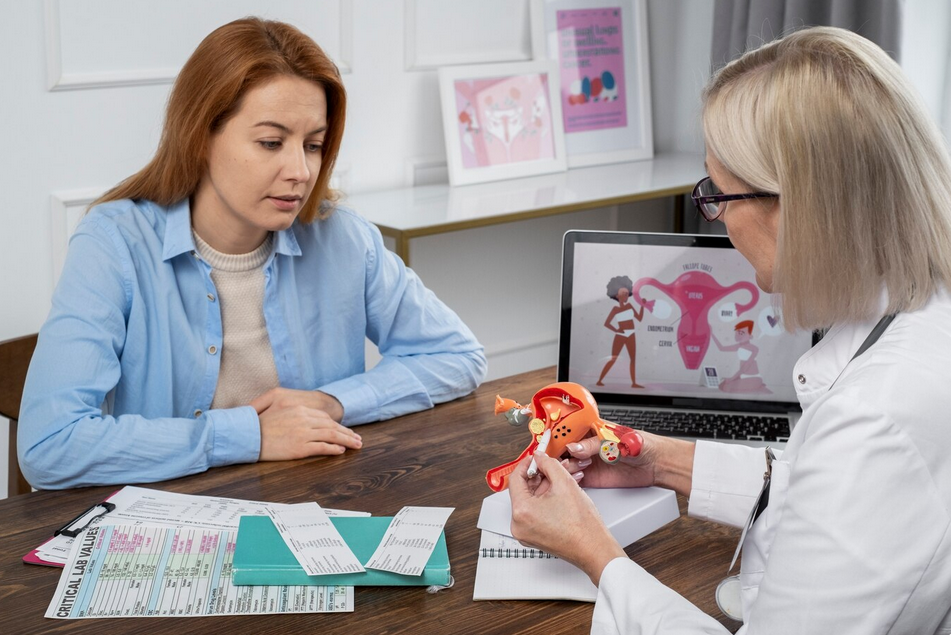
Labiaplasty, a surgical procedure that reshapes or reduces the size of the labia minora or majora, has become increasingly sought after by women worldwide—both for cosmetic and functional reasons. For international patients considering traveling abroad for the procedure, the most crucial step is selecting a highly qualified, trusted surgeon who can ensure both safety and aesthetic excellence.
This guide offers a step-by-step approach to finding a reputable labiaplasty surgeon abroad, including what to look for, where to search, and how to verify credentials.
1. Start with Research: Know What You Need
Before searching for a surgeon, understand what you want from the procedure. Do you:
- Experience discomfort from enlarged labia during exercise or intercourse?
- Have cosmetic concerns related to symmetry or size?
- Want to combine labiaplasty with other procedures like clitoral hood reduction?
Clarifying your goals will help you identify surgeons with the right specialization and experience.
2. Focus on Countries Known for High-Quality Medical Tourism
Certain countries are well-known for offering high-quality cosmetic and plastic surgery services at affordable prices. Start your search in countries with:
- Established medical tourism infrastructure
- Internationally accredited hospitals
- A strong reputation in cosmetic gynecology
Top destinations include:
- United States – World-renowned specialists, though often the most expensive
- Thailand – Affordable with modern facilities and experienced surgeons
- Turkey – Rapidly growing in popularity, especially in Istanbul
- Brazil – Known for cosmetic surgery excellence and artistry
- Mexico – Convenient for North American patients, with top clinics in Tijuana, Cancun, and Mexico City
3. Look for Board-Certified Surgeons with Genital Aesthetic Experience
Not all plastic surgeons perform labiaplasty regularly. Prioritize those with:
- Board Certification in plastic surgery or gynecology
- Specialized training in aesthetic or reconstructive genital surgery
- Memberships in reputable organizations such as:
- International Society of Aesthetic Plastic Surgery (ISAPS)
- American Society for Aesthetic Plastic Surgery (ASAPS)
- European Society of Aesthetic Gynecology (ESAG)
These affiliations often require strict adherence to ethical and safety standards.
4. Evaluate the Surgeon’s Experience and Technique
Ask or search for the following:
- Years of experience performing labiaplasty
- Before-and-after photos of previous patients (ideally with similar concerns)
- Technique used – Trim, wedge, deepithelialization, or customized approach
- Postoperative care protocols
- Revision policy – Ask how complications or dissatisfaction are managed
5. Read Verified Patient Reviews and Testimonials
Check multiple sources to get honest feedback, such as:
- Google Reviews
- RealSelf
- Medical tourism forums
- YouTube or video testimonials
Look for mentions of professionalism, communication, surgical outcomes, bedside manner, and post-op care quality.
6. Schedule Virtual Consultations
Once you’ve shortlisted 2–3 surgeons, schedule online consultations to:
- Discuss your goals and concerns
- Ask about the surgical plan and technique
- Review potential risks and complications
- Inquire about total costs, payment policies, and refund options
- Evaluate how clearly and respectfully the surgeon communicates
Trust your instincts—if a provider seems rushed, vague, or dismissive, consider other options.
7. Confirm Hospital or Clinic Accreditation
Ensure the facility is clean, modern, and certified by recognized international bodies. Look for:
- JCI Accreditation (Joint Commission International)
- ISO Certification
- Ministry of Health approval (country-specific)
Some clinics also offer private recovery suites or concierge services for international patients.
8. Understand Legal Protections and Language Barriers
- Legal Recourse: Ask about what happens if something goes wrong—does the clinic offer corrective surgery, refunds, or legal support?
- Language: Choose a surgeon or clinic with English-speaking staff, or ensure a qualified interpreter is available to avoid miscommunication.
9. Ask for a Detailed Quote and Contract
Make sure your quote includes all potential fees:
- Surgeon’s fees
- Operating room costs
- Anesthesia
- Pre- and post-op consultations
- Medication and compression garments
- Airport transfers or hotel stay (if offered in a package)
Read the surgical contract thoroughly before signing.
10. Consider Travel Timing and Aftercare
Plan enough time to:
- Arrive a few days before surgery
- Rest and heal (usually 7–10 days before flying home)
- Attend all in-person follow-up appointments
Ask how remote follow-up care will be managed after you return home. Some surgeons offer video consultations and ongoing check-ins via email or messaging apps.
Checklist: Key Questions to Ask a Potential Surgeon
- Are you board-certified in plastic surgery or gynecology?
- How many labiaplasties have you performed?
- What surgical technique do you recommend and why?
- What are the risks and potential complications?
- What does your postoperative care plan look like?
- What is included in the total cost?
- Can I see verified patient reviews and before-and-after photos?
- How do you handle revisions if I’m unhappy with the results?
- Do you offer virtual follow-up care?
- Is your clinic accredited for international medical care?
Final Thoughts
Choosing the right surgeon abroad for labiaplasty isn’t just about price—it’s about safety, experience, and trust. With thorough research, direct communication, and careful planning, international patients can achieve outstanding surgical outcomes while enjoying the benefits of traveling abroad for care.


