
Treatment Overview
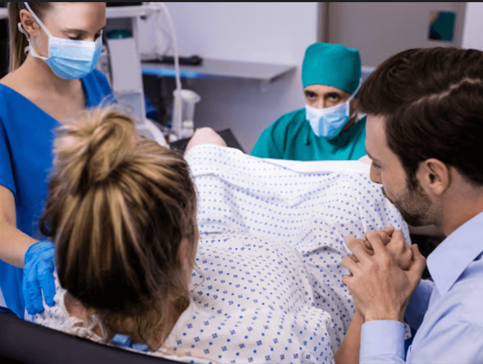
Labour induction is a carefully planned medical procedure used to stimulate uterine contractions before spontaneous labor begins. It is commonly performed when continuing the pregnancy may pose risks to the mother or baby, or when pregnancy extends beyond the due date.
In Korea, Labour Induction Strategy represents a well-developed, evidence-based approach combining medical precision, advanced monitoring, and personalized maternal care. Obstetric specialists employ a variety of induction methods—ranging from medication-based cervical ripening to mechanical techniques and non-pharmacologic stimulation—to ensure labor begins safely and effectively.
Korea’s obstetric care system emphasizes individualized labor planning, ensuring that the induction method aligns with maternal health, fetal condition, and delivery preferences. With advanced technology and strict safety protocols, Korea is globally recognized for achieving high maternal satisfaction and low complication rates in labor induction.
Purpose & Benefits
Purpose:
- To initiate labor when it does not begin naturally within a safe timeframe.
- To prevent maternal or fetal complications associated with prolonged pregnancy.
- To ensure controlled, monitored, and medically safe delivery.
- To manage high-risk pregnancies such as hypertension, diabetes, or growth restriction.
- To optimize delivery timing for fetal maturity and maternal health.
Benefits:
- Reduced pregnancy complications: Prevents fetal distress and maternal risk.
- Controlled environment: Delivery occurs under full medical supervision.
- Predictable timing: Allows for preparation of family and medical teams.
- Improved safety: Decreases risk of stillbirth and post-term complications.
- Personalized experience: Tailored to the mother’s health and birth preferences.
- Lower emergency cesarean rate: Controlled induction improves readiness for vaginal delivery.
Ideal Candidates
Labour induction is recommended for:
- Pregnant women reaching 41–42 weeks gestation with no signs of labor.
- High-risk pregnancies, including hypertension, preeclampsia, or diabetes.
- Premature rupture of membranes without active contractions.
- Fetal growth restriction (FGR) or decreased amniotic fluid.
- Placental aging or insufficiency affecting oxygen exchange.
- Intrauterine fetal demise requiring planned delivery.
- Mothers with medical conditions (cardiac, renal, or thyroid disease) needing timed birth.
- Elective induction, where medically safe and desired by the patient, typically after 39 weeks.
In Korea, induction decisions are made collaboratively between the patient and obstetric team, following international and national obstetric guidelines.
Possible Risks & Considerations
- Uterine hyperstimulation: Excessive contractions may temporarily stress the baby.
- Failed induction: Some cases may not progress, requiring a cesarean delivery.
- Infection risk: Particularly if membranes are ruptured for long periods.
- Maternal discomfort: Stronger or more frequent contractions compared to natural labor.
- Fetal distress: Close monitoring minimizes this rare complication.
Korean hospitals manage these risks through continuous electronic fetal monitoring, controlled medication dosing, and real-time response protocols to ensure safety for both mother and baby.
Medical & Induction Techniques Used in Korea
Korean obstetricians employ a combination of modern pharmacological methods and non-invasive supportive techniques to induce labor safely and efficiently.
Core Induction Methods Include:
1. Cervical Ripening (Pre-Induction Phase)
This step softens and dilates the cervix to prepare for labor.
- Prostaglandin gels or inserts (PGE2, misoprostol): Applied vaginally to initiate cervical changes.
- Balloon catheter (Foley catheter): Mechanically dilates the cervix using gentle pressure.
- Membrane sweeping: Manual stimulation to release natural prostaglandins.
- Hyaluronic acid-based agents: Increasingly used in Korean hospitals for natural cervical softening.
2. Labor Stimulation (Active Induction Phase)
Once the cervix is favorable, uterine contractions are triggered.
- Oxytocin infusion (Pitocin): The most common and controlled method.
- Administered through an IV drip with real-time dose adjustments.
- Combined with continuous fetal and maternal monitoring.
- Artificial rupture of membranes (AROM): Performed to accelerate contractions if conditions are suitable.
- Mechanical stimulation: Such as nipple rolling or low-intensity uterine massage, in mild cases.
3. Non-Pharmacologic Supportive Measures
- Ambulation and upright positioning: Encouraged to enhance gravity-assisted labor progression.
- Warm hydrotherapy or birthing ball exercises: To ease discomfort and improve contraction coordination.
- Acupuncture and acupressure: Commonly integrated in select Korean maternity centers for natural stimulation.
4. Continuous Monitoring and Adjustments
- Electronic fetal monitoring (EFM): Tracks contractions and fetal heart rate.
- Uterine contraction patterns: Adjusted to maintain optimal intensity and spacing.
- Maternal pain relief options: Epidural, intravenous sedation, or breathing techniques offered based on preference.
5. Integration with Delivery Method Planning
- If induction fails or fetal distress occurs, timely transition to cesarean section ensures safety.
- Active management protocols minimize labor duration and maternal fatigue.
Recovery & Aftercare
After a successful induced delivery, Korean maternity hospitals focus on maternal stabilization and postnatal care:
- Observation period: Continuous BP, bleeding, and pain monitoring for the first 24 hours.
- Pain management: Epidural tapering or oral analgesics as needed.
- Emotional support: Counseling to process the birth experience, especially after long inductions.
- Breastfeeding initiation: Encouraged within the first hour after birth.
- Mobility and hydration: Early ambulation reduces clotting risks and speeds recovery.
- Postpartum evaluation: Regular follow-up visits scheduled within 1–2 weeks.
Results & Longevity
- High induction success rate: Over 85% of inductions in Korea result in vaginal delivery.
- Lower emergency cesarean rates: Due to continuous monitoring and precision dosing.
- Faster recovery: Enhanced protocols minimize fatigue and complications.
- Excellent neonatal outcomes: Consistent fetal well-being throughout induction.
- High maternal satisfaction: Personalized and well-supported labor experience.
These results highlight Korea’s combination of medical safety, technological advancement, and patient-centered obstetric care.
Procedure Process in Korea
1. Pre-Induction Consultation
Between 38 and 40 weeks, the obstetrician evaluates maternal and fetal conditions using ultrasound, cervical scoring, and vital signs.
2. Admission and Baseline Assessment
On the day of induction, the mother is admitted for monitoring. Cervical status, fetal position, and uterine activity are reviewed.
3. Cervical Ripening
Depending on the Bishop score, prostaglandins, balloons, or membrane sweeps are initiated.
4. Oxytocin or Stimulation Phase
If cervical changes occur, oxytocin is started to induce contractions under continuous observation.
5. Labor and Delivery
The patient receives pain management as preferred, and delivery proceeds under close medical supervision.
6. Post-Delivery Monitoring
Mother and baby are monitored for stability and recovery in the delivery or postpartum ward.
Why Korea Is a Top Destination
- Advanced labor induction protocols tailored to each patient’s risk profile.
- Highly trained maternal-fetal medicine teams in every major hospital.
- Integration of modern medical induction with non-invasive comfort methods.
- Extensive use of AI-based monitoring systems for uterine and fetal responses.
- High standard of maternity care with international recognition for safety and innovation.
Unique Korean Methods & Technology
- AI-guided oxytocin titration systems for precise contraction control.
- 3D cervical elasticity imaging for readiness prediction.
- Wireless fetal monitoring devices for comfort and mobility during induction.
- Integration of prenatal wellness therapies (music, aromatherapy, and breathing programs).
- Telehealth follow-up platforms for postpartum recovery after induced delivery.
Cost Range
The cost of Labour Induction in Korea varies based on method, hospital type, and care level:
- Basic medical induction (prostaglandins + monitoring): USD 400 – 700
- Comprehensive induction (ripening + oxytocin + epidural): USD 800 – 1,300
- High-risk pregnancy induction package: USD 1,400 – 2,000
- Private maternity suite induction and delivery package: USD 2,500 – 4,000
These packages typically include monitoring, medication, delivery assistance, and postpartum observation.
Popular Hospitals and Centers in Korea
- Asan Medical Center (Seoul): Offers full-spectrum induction options with precision fetal monitoring.
- Samsung Medical Center (Seoul): Known for its AI-based labor induction and maternal safety systems.
- Severance Hospital (Yonsei University Health System): Provides induction for high-risk and advanced maternal age pregnancies.
- CHA Bundang Women’s Hospital: Specializes in minimally invasive and family-centered induction protocols.
- MizMedi Women’s Hospital: Focuses on comfortable, patient-driven induction experiences.


