
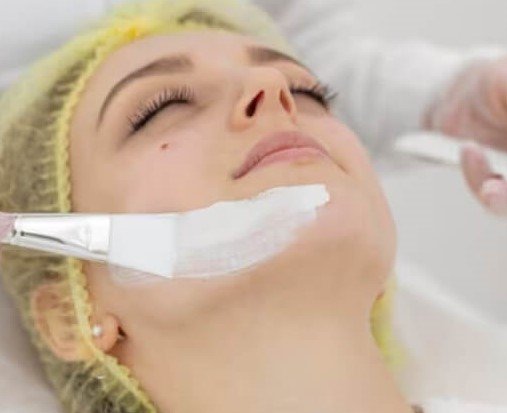
Treatment Overview
The Lactic Acid Peel is a gentle Alpha Hydroxy Acid (AHA) peel derived from milk. Known for its mild exfoliating properties, it is one of the safest chemical peels for sensitive and PIH-prone skin. Lactic acid promotes cell turnover, hydration, and melanin regulation, making it effective for treating melasma, PIH (post-inflammatory hyperpigmentation), freckles, sunspots, and uneven tone.
In Korean dermatology clinics, lactic acid peels are often used as supportive pigmentation treatments or as part of combination programs with lasers (Pico, Q-switched, Alexandrite) to achieve brighter, smoother skin with minimal irritation.
Purpose & Benefits
- Pigment Lightening: Gradually reduces melasma, freckles, and PIH.
- Skin Brightening: Enhances clarity and glow.
- Gentle Exfoliation: Removes dead skin cells with minimal irritation.
- Hydration Boost: Improves skin moisture while peeling.
- Safe for Sensitive Skin: Lower risk of PIH rebound compared to stronger peels.
Ideal Candidates
Lactic Acid Peel in Korea is recommended for:
- Patients with mild pigmentation (freckles, sunspots, PIH).
- Individuals with melasma who need a gentle brightening approach.
- Adults with dry, sensitive, or dehydrated skin.
- Patients looking for maintenance and combination treatments with lasers.
- Those who want low-downtime skin brightening.
Possible Risks & Complications
- Mild Redness or Tingling: Temporary, fades within hours.
- Dryness or Flaking: Light peeling as old skin sheds.
- Increased Sensitivity: Temporary, requires sun protection.
- Rare Risks: PIH if sun protection is neglected.
- Minimal Downtime: Less peeling compared to glycolic or Jessner’s peels.
Surgical Techniques Used
- Lactic Acid (AHA): Typically 20–50% concentration used in Korean dermatology.
- Hydration-Exfoliation Balance: Brightens while maintaining moisture.
- Layered Application: Peel applied in thin layers for controlled exfoliation.
- Combination Protocols: Often paired with whitening drips, Pico toning, or antioxidant serums.
- Protocol: Usually 3–6 sessions, spaced 2–4 weeks apart.
Recovery & Aftercare
- Immediately: Mild redness, skin feels refreshed and hydrated.
- 1–3 Days: Possible light peeling or dryness.
- 3–7 Days: Brighter, clearer skin tone.
- 1–2 Weeks: More even pigmentation and improved radiance.
Aftercare Tips:
- Apply SPF 50+ sunscreen daily.
- Use gentle cleansers and hydrating creams.
- Avoid strong exfoliants, acids, or retinoids for 5–7 days.
- Do not pick at peeling skin.
- Maintain hydration with serums or barrier creams.
Results & Longevity
- After 1 Session: Fresher glow, mild brightening.
- After 2–3 Sessions: Visible fading of freckles, PIH, and melasma.
- After 4–6 Sessions: Significant pigment reduction, smoother skin, and even tone.
- Long-Term: Maintenance peels every 1–3 months recommended for pigment-prone skin.
Treatment Process in Korea
1. Consultation & Skin Evaluation
- Dermatologist assesses pigmentation type, depth, and sensitivity.
- Lactic peel often chosen for patients who cannot tolerate stronger acids.
2. Preparation
- Cleansing and degreasing of the skin.
- Protective eyewear if combined with light therapies.
3. Lactic Acid Peel Session
- Step 1: Application of lactic acid peel solution in layers.
- Step 2: Controlled timing for safe penetration.
- Step 3: Neutralization and cleansing.
- Step 4: Application of soothing cream or hydrating mask.
- Duration: 15–20 minutes.
4. Post-Treatment Care in Clinic
- Soothing moisturizer and SPF applied.
- Optional LED or cooling therapy for comfort.
5. Follow-Up
- 3–6 sessions recommended for pigmentation control.
- Commonly combined with Pico lasers or whitening drips for enhanced results.
Unique Korean Advantages
- Sensitive-Skin Protocols: Lower concentrations and gentler layering designed for Asian skin.
- Combination-Oriented: Often paired with whitening drips, antioxidant serums, or laser treatments.
- Hydration-Focused: Unlike harsher peels, lactic acid maintains skin moisture.
- Affordable Maintenance Option: Widely available as a regular pigment-control treatment.
Cost Range (Estimated)
- Single Session (Full Face): USD 80 – 150
- 3–6 Session Package: USD 250 – 600
- Premium Program (Lactic Peel + Laser + Whitening Drips): USD 800 – 1,500
Additional Costs:
- Consultation: USD 20 – 50
- Add-ons (Vitamin C, TXA, Glutathione infusions): USD 80 – 200
- Boosters (PRP, Rejuran, Exosomes): USD 200 – 500
- LED or Cooling Mask Therapy: USD 30 – 80
Popular Clinics in Seoul
- Oracle Dermatology: Lactic Peel with Pico laser for pigment management.
- Banobagi Dermatology: Lactic Peel for melasma and PIH maintenance.
- Renewme Skin Clinic: Lactic Peel + whitening drips for brightening.
- View Plastic & Dermatology: Combination lactic peel + laser protocols.
- Chaum Anti-Aging Center: Premium lactic peel programs with regenerative boosters.


