
Treatment Overview
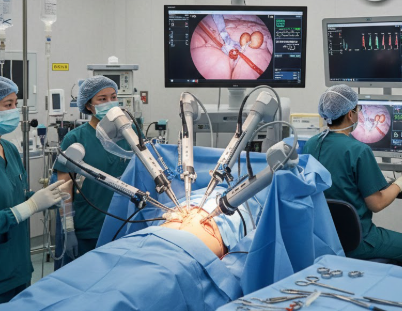
Laparoscopic High-Precision Urologic Surgery in Korea represents a new standard for minimally invasive treatment across a wide spectrum of urologic conditions, including kidney tumors, prostate disorders, ureteral obstructions, adrenal masses, and complex pelvic pathologies. This approach utilizes advanced laparoscopic tools, magnified 3D imaging systems, and precision-guided operative techniques to ensure superior surgical accuracy with minimal trauma.
Korea is internationally recognized for its innovation in high-precision laparoscopy, offering unparalleled outcomes supported by cutting-edge technology and highly trained urologic surgeons. The technique enables surgeons to operate through small incisions, significantly reducing scarring, blood loss, and recovery time while maintaining exceptional surgical performance.
Purpose & Benefits
High-precision laparoscopic surgery is specifically designed to deliver more accurate, safer, and less invasive urologic procedures. The goal is to combine image-guided visualization with refined surgical techniques to preserve organ function while effectively addressing the underlying pathology.
Key benefits include:
- Highly accurate tumor resection with maximal tissue preservation
- Reduced blood loss and fewer intraoperative complications
- Smaller incisions with minimal visible scarring
- Shorter hospitalization and faster return to normal activities
- Lower postoperative pain and reduced need for narcotics
- Improved preservation of kidney function in partial nephrectomy
- Greater precision in ureteral and pelvic reconstructive surgeries
- Enhanced safety during adrenal and retroperitoneal operations
The precision-driven method ensures exceptional outcomes for both routine and complex urologic surgeries.
Ideal Candidates
Laparoscopic High-Precision Urologic Surgery is suitable for a diverse group of patients, including those with:
- Kidney tumors (small, large, or complex)
- Ureteral strictures or obstructions
- Hydronephrosis requiring reconstruction
- Adrenal gland tumors (benign or functional)
- Enlarged prostate requiring minimally invasive removal
- Complex kidney stones not treatable with standard methods
- Bladder disorders requiring minimally invasive repair
- Pelvic organ abnormalities needing advanced surgical correction
- Pediatric urologic conditions requiring precise treatment
Ideal candidates are typically individuals seeking minimally invasive surgery with reduced downtime, improved outcomes, and access to advanced technology.
Possible Risks & Complications
Although considered extremely safe in Korea, all surgical procedures carry potential risks. These may include:
- Mild to moderate postoperative pain around incision sites
- Infection or inflammation
- Internal bleeding
- Unintended injury to nearby organs or blood vessels
- Urine leakage in reconstructive procedures
- Temporary swelling or bruising
- Risks associated with anesthesia
- In rare cases, conversion to open surgery if complications arise
Korean hospitals maintain some of the lowest complication rates globally due to experienced surgeons and advanced operative systems.
Techniques & Technology Used
Korea is globally recognized for deploying some of the most advanced laparoscopic technologies in modern urology. High-precision laparoscopy incorporates:
- 3D high-definition laparoscopic cameras
- 4K imaging systems for magnified surgical visualization
- Precision-guided energy devices such as Harmonic scalpel and LigaSure
- Mini-laparoscopic instruments for ultra-small incisions
- High-precision suturing devices and articulating instruments
- Intraoperative ultrasound for tumor margin mapping
- Fluorescence-guided imaging (ICG technology) for perfusion assessment
- Computer-assisted navigation for complex kidney or pelvic operations
These technologies ensure unparalleled accuracy, safety, and preservation of organs and surrounding structures.
Treatment Process in Korea
Korea offers a highly structured and patient-focused pathway for international medical tourists seeking high-precision urologic surgery.
- Preoperative Evaluation:
The patient undergoes diagnostic tests such as CT, MRI, ultrasound, blood work, and functional assessments. - Customized Surgical Plan:
Korean urologists design a personalized treatment strategy choosing optimal laparoscopic techniques and precision tools tailored to the patient’s condition. - Surgery Day:
The procedure is performed under general anesthesia via small incisions. Advanced laparoscopic tools and precision imaging systems facilitate meticulous surgical execution. - Immediate Recovery:
Patients are moved to a high-tech recovery unit where vital signs, pain levels, and urinary function are monitored. - Hospital Stay:
Most patients require only 1–3 days of hospitalization due to minimal invasiveness. - Follow-Up & Medical Travel Support:
Korea provides efficient postoperative care, including virtual follow-ups for international patients.
Recovery & After-Care
Recovery from high-precision laparoscopic surgery is typically rapid and comfortable compared to open surgery. General recommendations include:
- Walking the same or next day to prevent blood clots
- Managing mild pain with oral medication
- Returning to work or light activities within a week
- Avoiding heavy lifting or strenuous activity for 3–4 weeks
- Following dietary and hydration guidance depending on the procedure
- Keeping incisions clean and monitoring for signs of infection
- Attending scheduled follow-up visits or online consultations
Most patients report significant improvement within the first week and full recovery within 2–4 weeks.
Results & Longevity
Laparoscopic high-precision surgery yields long-term, highly reliable outcomes. Major results include:
- High cancer control rates for kidney and prostate tumors
- Excellent preservation of kidney and urinary function
- Long-term resolution of ureteral obstructions
- Minimal risk of recurrence when performed by Korean specialists
- Superior cosmetic results due to micro-incisions
- Long-lasting symptom relief and improved quality of life
Longevity of results is generally excellent, with outcomes sustained for many years when combined with routine follow-up.
Why Korea Is a Top Destination
Korea ranks among the world’s leading destinations for high-precision laparoscopic urologic surgery due to:
- Global leaders in minimally invasive urologic surgery
- Extensive experience with complex oncology and reconstruction cases
- State-of-the-art surgical facilities with robotic and laparoscopic hybrid systems
- International patient-friendly services
- Transparent pricing and high treatment success rates
- Multilingual coordinated medical support for international visitors
Korea’s excellence stems from a systemic emphasis on innovation, precision, and patient-centered service.
Cost Range
The price for Laparoscopic High-Precision Urologic Surgery in Korea varies depending on procedure type, complexity, surgeon expertise, and hospital tier.
Typical ranges include:
- USD 5,000 – 15,000 for standard laparoscopic reconstructive procedures
- USD 10,000 – 22,000 for kidney, adrenal, prostate, or pelvic surgeries
- USD 12,000 – 28,000 for highly complex or hybrid procedures
Costs typically include consultation, surgeon fees, hospital stay, imaging, anesthesia, and postoperative care.
Popular Clinics in Korea
Korea is home to several internationally renowned medical centers specializing in high-precision laparoscopic urologic surgery:
- Seoul National University Hospital
- Asan Medical Center
- Severance Hospital (Yonsei University)
- Samsung Medical Center
- Seoul St. Mary’s Hospital (Catholic University)
- Konkuk University Medical Center
- Bundang Seoul National University Hospital
- Leading private urology specialty hospitals in Seoul and Busan
These institutions offer world-class expertise, cutting-edge technology, and comprehensive care for international medical tourists.


