
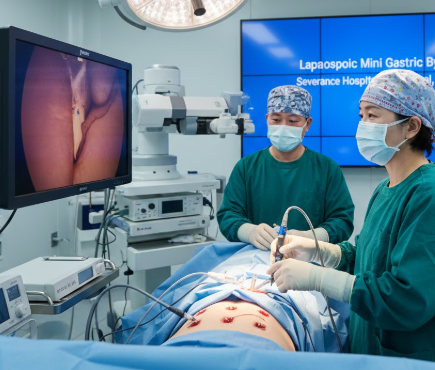
→ Treatment Overview
Laparoscopic Mini Gastric Bypass (LMGB) in Korea is a minimally invasive bariatric surgery that combines the benefits of weight loss and metabolic improvement. Using laparoscopic techniques, surgeons create a small gastric pouch and connect it directly to a loop of the small intestine, limiting food intake and reducing nutrient absorption.
Korean centers emphasize precision laparoscopic surgery to minimize complications, shorten recovery time, and ensure optimal outcomes for both local and international patients.
→ Purpose & Benefits
The procedure is designed to achieve significant weight loss and improve metabolic health.
Key benefits include:
→ Rapid and sustainable weight reduction
→ Improvement or remission of type 2 diabetes, hypertension, and dyslipidemia
→ Minimally invasive surgery with smaller incisions and faster recovery
→ Reduced risk of post-surgical complications compared to traditional gastric bypass in select cases
→ Enhanced quality of life and long-term health improvement
LMGB offers both metabolic and lifestyle advantages for patients with obesity.
→ Ideal Candidates
LMGB is suitable for patients seeking effective and durable weight loss.
Ideal candidates include:
→ Adults with BMI ≥35, or BMI ≥30 with obesity-related comorbidities
→ Patients with metabolic disorders such as type 2 diabetes or insulin resistance
→ Individuals who have not achieved results with diet or lifestyle interventions
→ Patients committed to follow-up care, dietary modifications, and lifestyle changes
→ International patients looking for advanced laparoscopic bariatric surgery in Korea
Comprehensive pre-operative evaluation ensures the procedure is safe and individualized.
→ Possible Risks & Complications
While safe and effective, LMGB carries certain risks.
Possible risks include:
→ Leakage or bleeding at the surgical site
→ Nutritional deficiencies if dietary guidance is not followed
→ Gastroesophageal reflux or marginal ulcers
→ Bowel obstruction or internal hernia (rare)
→ Dumping syndrome, causing nausea or diarrhea after high-sugar meals
Structured follow-up in Korea helps detect and manage complications early.
→ Techniques & Technology Used
Korean centers use advanced laparoscopic and surgical technologies for LMGB.
Common techniques include:
→ High-definition laparoscopic imaging for precise pouch creation
→ Single or multiple anastomosis techniques connecting the pouch to the small intestine
→ Intraoperative imaging for safety and accuracy
→ Post-operative digital monitoring of weight, nutrition, and metabolic health
→ Multidisciplinary care involving dietitians and endocrinologists
These technologies ensure precise, safe, and effective surgery.
→ Treatment Process in Korea
The LMGB procedure is structured for optimal results.
Typical process includes:
→ Pre-operative assessment including labs, imaging, nutritional and psychological evaluation
→ Laparoscopic mini gastric bypass surgery under general anesthesia
→ Hospital stay for 2–3 days with post-operative monitoring
→ Follow-up including dietary guidance, nutritional monitoring, and lifestyle coaching
→ Long-term support for exercise, diet, and metabolic management
International patient coordinators assist with travel, appointments, and language support.
→ Recovery & After-Care
Recovery emphasizes healing and lifestyle adaptation.
After-care includes:
→ Gradual diet progression from liquids to solids under dietitian supervision
→ Nutritional supplementation to prevent deficiencies
→ Monitoring for post-operative complications
→ Regular follow-up to track weight loss and metabolic improvement
→ Lifestyle coaching including exercise and behavioral guidance
Structured after-care ensures safe recovery and sustainable outcomes.
→ Results & Longevity
Patients generally achieve significant and durable weight loss with improved metabolic health.
Expected outcomes include:
→ Loss of 60–80% of excess body weight within 1–2 years
→ Improvement or remission of type 2 diabetes and hypertension
→ Long-term maintenance of weight loss with adherence to diet and lifestyle changes
→ Enhanced quality of life and reduction of obesity-related health risks
Consistent follow-up and support enhance long-term success.
→ Why Korea Is a Top Destination
Korea is recognized globally for advanced laparoscopic bariatric surgery.
Key reasons include:
→ Highly experienced bariatric surgeons specializing in LMGB
→ State-of-the-art laparoscopic surgical technology
→ Multidisciplinary care with dietitians, endocrinologists, and coordinators
→ Telemedicine support for international patient follow-up
→ Competitive pricing with high-quality healthcare standards
Korea combines surgical expertise with patient-centered care for optimal results.
→ Cost Range
The cost of LMGB in Korea is competitive.
Estimated cost range:
→ USD 10,000 – USD 16,500
This generally includes surgery, anesthesia, hospital stay, pre-operative assessment, and post-operative follow-up. Additional costs may apply for extended monitoring or specialized counseling.
→ Popular Clinics in Korea
Several Korean centers specialize in LMGB for international patients.
Common options include:
→ Bariatric centers in Seoul offering multidisciplinary weight-loss programs
→ University-affiliated hospitals with comprehensive metabolic and surgical care
→ Private clinics providing multilingual support and personalized follow-up
These clinics are known for advanced technology, experienced staff, and structured post-operative programs.


