
Treatment Overview
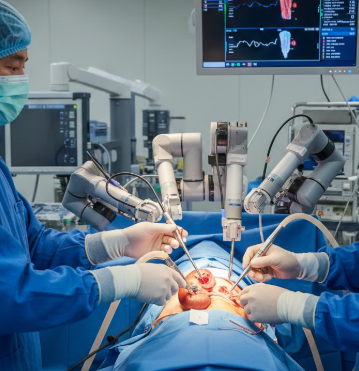
Laparoscopic partial nephrectomy is a minimally invasive surgical procedure designed to remove a kidney tumor while preserving as much healthy kidney tissue as possible. This procedure is commonly used for localized kidney tumors, small renal masses, and early-stage kidney cancer.
In Korea, laparoscopic partial nephrectomy is performed in leading hospitals using advanced equipment and techniques, offering international patients a safe, precise, and less invasive alternative to traditional open surgery. The laparoscopic approach ensures smaller incisions, reduced postoperative pain, and faster recovery compared to conventional surgery.
Purpose & Benefits
The primary purpose of laparoscopic partial nephrectomy is to remove the tumor while maintaining kidney function. Key benefits include:
- Targeted removal of kidney tumors with minimal damage to healthy tissue
- Reduced risk of chronic kidney disease compared to radical nephrectomy
- Smaller incisions leading to less postoperative pain and scarring
- Shorter hospital stay and quicker return to normal daily activities
- High precision surgery using advanced laparoscopic instruments
- Comprehensive post-surgical monitoring to ensure optimal outcomes
Korean hospitals are recognized for providing state-of-the-art laparoscopic procedures with a focus on kidney preservation and patient safety.
Ideal Candidates
Laparoscopic partial nephrectomy is suitable for patients who:
- Have localized kidney tumors or small renal masses
- Want to preserve kidney function for future health
- Are candidates for minimally invasive surgery
- Seek high-quality medical care in Korea with support for international patients
- Prefer faster recovery and shorter hospitalization
This procedure is generally performed in adult patients, though it may be adapted for select pediatric cases depending on tumor type and size.
Possible Risks & Complications
While laparoscopic partial nephrectomy is generally safe, potential risks include:
- Bleeding during or after surgery
- Infection at the surgical site or urinary tract
- Injury to surrounding organs such as liver, spleen, or intestines
- Temporary or long-term reduction in kidney function
- Urinary leakage from the operated kidney
- Blood clots or deep vein thrombosis (DVT)
- Rare complications from anesthesia
Korean hospitals minimize these risks with careful preoperative evaluation, precise surgical techniques, and attentive postoperative care.
Techniques & Technology Used
Korean hospitals utilize advanced laparoscopic technology for partial nephrectomy, including:
- High-Definition Laparoscopic Cameras: Provides enhanced visualization of the kidney and tumor
- Advanced Laparoscopic Instruments: Allows precise dissection and tumor removal
- Hemostatic Devices: Minimize intraoperative bleeding and protect surrounding tissue
- Intraoperative Imaging: Ultrasound or fluoroscopy to confirm complete tumor removal
- Enhanced Recovery Protocols: Early mobilization, optimized nutrition, and pain management
These technologies ensure precise tumor excision while preserving as much healthy kidney tissue as possible.
Treatment Process in Korea
The laparoscopic partial nephrectomy process in Korea is structured to ensure patient safety and comfort:
- Consultation & Evaluation
Patients undergo a detailed medical history review, kidney function tests, and imaging studies (CT, MRI, or ultrasound) to assess tumor size, location, and stage. - Pre-Procedure Preparation
Patients receive instructions on fasting, medication adjustments, and anesthesia planning. International patients are assisted with translation, accommodation, and transportation arrangements. - Surgical Procedure
- Performed under general anesthesia
- Several small incisions are made for laparoscopic instruments
- Tumor is excised with a margin of healthy tissue
- Hemostasis is achieved, and incisions are closed
- Intraoperative imaging confirms complete tumor removal
- Postoperative Monitoring
Patients are closely monitored for bleeding, urine output, infection, and vital signs. Hospital stay typically ranges from 2–5 days for minimally invasive procedures. - Follow-Up & Recovery
Follow-up includes kidney function monitoring, imaging studies, pain management, and gradual return to normal activities over 4–6 weeks.
Recovery & After-Care
Recovery after laparoscopic partial nephrectomy involves:
- Maintaining hydration and a kidney-friendly diet
- Pain management using prescribed medications
- Avoiding heavy lifting or strenuous activity for 4–6 weeks
- Monitoring for infection, bleeding, or urinary complications
- Attending all follow-up appointments for imaging and kidney function tests
Patients usually return to normal activities within 4–6 weeks, with minimally invasive surgery allowing faster recovery and less discomfort compared to open surgery.
Results & Longevity
Laparoscopic partial nephrectomy in Korea provides excellent long-term outcomes:
- Effective tumor removal while preserving kidney function
- High survival rates for localized kidney cancer
- Low recurrence rates due to precise surgical excision
- Comprehensive follow-up ensures early detection of complications or new tumors
- Faster recovery and improved quality of life for patients
Korean hospitals report high success rates due to advanced laparoscopic expertise and meticulous postoperative care.
Why Korea Is a Top Destination
Korea is a leading destination for laparoscopic partial nephrectomy due to:
- Highly skilled urologists experienced in minimally invasive kidney surgeries
- Advanced laparoscopic equipment and imaging technologies
- High safety and hygiene standards with low complication rates
- Competitive costs compared to Western countries
- Comprehensive support for international patients, including translation, accommodation, and transportation
- Personalized care and efficient scheduling for medical tourists
Patients worldwide choose Korea for safe, precise, and minimally invasive kidney tumor removal.
Cost Range
The cost of laparoscopic partial nephrectomy in Korea typically ranges from USD 6,000 to USD 14,000, depending on:
- Hospital tier and location
- Tumor size, location, and complexity
- Duration of hospital stay and postoperative care
- Additional interventions or imaging studies
Korean hospitals provide high-quality, cost-effective care for international patients.
Popular Clinics in Korea
- Seoul National University Hospital (SNUH)
- Asan Medical Center
- Samsung Medical Center
- Severance Hospital – Yonsei University Health System
- Korea University Anam Hospital
- CHA Bundang Medical Center
- Gangnam Severance International Clinic
These hospitals are renowned for advanced laparoscopic kidney surgery, high success rates in partial nephrectomy, and comprehensive care for medical tourists.


