
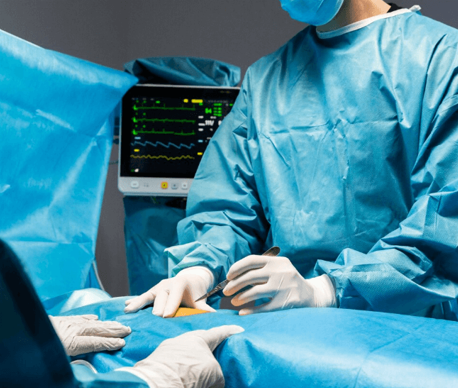
Treatment Overview
Laparoscopic Sacrohysteropexy is a highly advanced uterus-preserving pelvic reconstructive surgery performed to correct uterine or vaginal prolapse — a condition where the uterus or top of the vagina descends due to weakened pelvic floor muscles and ligaments. The procedure uses a minimally invasive laparoscopic approach to attach the uterus (or vaginal vault) to the sacral bone (sacrum) using a synthetic mesh or biological graft, restoring the pelvic organs to their natural position.
In Korea, Laparoscopic Sacrohysteropexy is one of the most refined and effective Women’s Health / OBGYN – Surgical Gynecology procedures. Korean hospitals are globally recognized for performing this surgery using 3D/4K laparoscopic systems, Da Vinci robotic platforms, and mesh-free or biocompatible graft materials, ensuring long-lasting results, minimal discomfort, and fertility preservation.
Purpose & Benefits
- Corrects uterine prolapse or vaginal vault prolapse after hysterectomy.
- Preserves the uterus, maintaining fertility and hormonal function.
- Restores normal vaginal anatomy and pelvic support.
- Relieves symptoms such as vaginal bulging, pelvic pressure, urinary incontinence, or back pain.
- Provides long-term durability and minimal recurrence.
- Minimally invasive — small incisions, less pain, faster recovery, and shorter hospital stay.
- Improves sexual function, bladder control, and pelvic comfort.
- Offers superior aesthetic and functional results compared to traditional prolapse repair.
Ideal Candidates
- Women diagnosed with uterine or vaginal vault prolapse.
- Patients who wish to retain their uterus for reproductive or personal reasons.
- Women experiencing vaginal bulge, pelvic heaviness, or urinary leakage.
- Postpartum or postmenopausal women with weakened pelvic support structures.
- Patients seeking a minimally invasive, long-lasting prolapse solution.
- Women who have experienced recurrence after traditional vaginal repairs.
Possible Risks & Complications
Laparoscopic Sacrohysteropexy is very safe when performed by skilled Korean pelvic reconstructive surgeons. However, as with any surgery, minor risks may include:
- Mild abdominal discomfort or temporary bloating.
- Light vaginal bleeding or discharge for a few days.
- Infection (rare and easily managed with antibiotics).
- Urinary retention or constipation (temporary).
- Rare risk of mesh exposure or erosion (minimized by modern mesh designs).
- Scar tissue formation or recurrence (extremely rare in experienced hands).
Surgical Techniques Used
Korean hospitals and OBGYN centers utilize the most advanced laparoscopic and robotic-assisted surgical systems to perform sacrohysteropexy with precision and safety.
Main techniques include:
- Laparoscopic Sacrohysteropexy: A small mesh or biocompatible graft is used to anchor the uterus or vaginal vault to the sacral bone using laparoscopic tools.
- Robotic Sacrohysteropexy (Da Vinci System): Provides 3D visualization and enhanced precision for complex or recurrent cases.
- Biological Graft or Mesh-Free Options: Natural grafts are used for patients preferring non-synthetic materials.
- Laparoscopic Uterosacral Suspension Hybrid: Combines uterine ligament fixation with sacral anchoring for maximum support.
- 3D Imaging and AI-Guided Navigation: Used in advanced Korean hospitals for accurate positioning and safety.
These methods ensure minimal trauma, reduced bleeding, and long-term anatomic correction with a natural vaginal appearance and function.
Recovery & Aftercare
- Hospital stay: 1–2 days (some patients discharged within 24 hours).
- Recovery time: Most women return to light activities in 1–2 weeks, full recovery in 4–6 weeks.
- Mild cramping or spotting may occur for a few days.
- Avoid sexual intercourse, tampon use, or heavy lifting for 4–6 weeks.
- Pain relief and antibiotics are prescribed as needed.
- Follow-up visits: Scheduled at 2 weeks and 6 weeks post-surgery for monitoring.
- Pelvic floor exercises (Kegels) are recommended to maintain surgical results.
Results & Longevity
- Immediate improvement in vaginal support, comfort, and appearance.
- Restores normal pelvic organ position and function.
- Long-lasting results — success rates exceed 90% in leading Korean hospitals.
- Enhanced sexual function and quality of life.
- Minimal scarring and virtually invisible incision marks.
- Low recurrence rates due to modern surgical techniques and durable fixation.
Treatment Process in Korea
South Korea is a global leader in minimally invasive and robotic pelvic reconstructive surgery, offering cutting-edge medical care, advanced technology, and personalized surgical planning.
Most advanced and popular surgical techniques performed in Korea:
- Laparoscopic Sacrohysteropexy (mesh or mesh-free options).
- Robotic-Assisted Sacrohysteropexy using the Da Vinci Xi system.
- Hybrid pelvic reconstruction for complex or multi-organ prolapse.
- 3D/4K laparoscopic visualization for enhanced precision.
- AI-guided pelvic mapping and laser-assisted healing technologies.
Unique Korean methods or technology:
- Uterus-preserving reconstructive protocols designed for younger women.
- Pain-free sedation and rapid recovery systems for minimal discomfort.
- Hybrid aesthetic-functional pelvic restoration for enhanced cosmetic results.
- Comprehensive one-day surgery systems including pre-op imaging, surgery, and discharge.
- Dedicated medical tourism programs offering interpretation and recovery assistance for international patients.
Why Korea is considered a top destination for this surgery:
- Globally trained pelvic reconstructive surgeons with advanced laparoscopic expertise.
- Hospitals equipped with robotic and 3D laparoscopic platforms.
- Excellent combination of functionality, aesthetics, and safety.
- Short hospital stays and efficient, patient-centered care.
- Affordable cost compared to Western nations with similar or superior quality.
Cost Range
The cost of Laparoscopic Sacrohysteropexy in Korea depends on the hospital, technology used, and surgical complexity:
- Typical Range: USD 4,000 – 8,000
- Standard Laparoscopic Procedure: USD 4,000 – 6,000
- Robotic-Assisted Sacrohysteropexy: USD 6,500 – 10,000
- Comprehensive Package (Anesthesia, Hospital Stay, Follow-Up): USD 5,000 – 8,500
Korean hospitals offer transparent, all-inclusive packages, covering preoperative consultation, imaging, anesthesia, surgery, postoperative care, and follow-up. International patients can also access medical tourism packages with translation, travel coordination, and recovery support.
Popular Clinics with Advanced Laparoscopic Sacrohysteropexy in Korea
- Seoul Miz Hospital – Specialized in minimally invasive and uterus-preserving pelvic reconstructive surgeries.
- MizMedi Hospital (Seoul) – Offers advanced laparoscopic and robotic sacrohysteropexy procedures.
- Yoonho OB/GYN Hospital (Gangnam) – Known for precision-based laparoscopic and aesthetic gynecologic surgeries.
- Gangnam Women’s Hospital – Focuses on functional and cosmetic pelvic surgery with fast recovery programs.
- Asan Medical Center (Seoul) – Korea’s leading tertiary hospital for complex robotic and pelvic reconstructive procedures.
- Samsung Medical Center (Seoul) – Global leader in minimally invasive gynecology with advanced Da Vinci robotic systems.
- Kyung Hee University Hospital at Gangdong – Academic center specializing in advanced pelvic floor and reconstructive surgery.


