
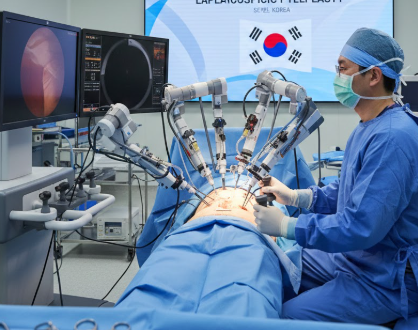
Treatment Overview
Laparoscopic Ureterolithotomy is a minimally invasive surgical procedure used to remove large or impacted stones from the ureter when less invasive treatments, such as ureteroscopy or shockwave lithotripsy, are not effective. This technique uses small incisions and laparoscopic instruments to access and extract the stones, minimizing trauma and recovery time. Korea is recognized for advanced urological surgeries, experienced surgeons, and high-quality patient care, making it a leading destination for this procedure.
Purpose & Benefits
The primary purpose of Laparoscopic Ureterolithotomy is to safely remove ureteral stones that are too large, hard, or impacted for conventional treatments. Key benefits include:
- Minimally invasive approach with smaller incisions
- Effective removal of large or complex stones
- Reduced blood loss and lower risk of complications
- Shorter hospital stay compared to open surgery
- Faster recovery and minimal postoperative pain
Ideal Candidates
This procedure is suitable for patients who:
- Have large or impacted ureteral stones not treatable by shockwave lithotripsy
- Experience severe flank pain, recurrent infections, or obstruction of urine flow
- Require rapid stone removal to preserve kidney function
- Are in good general health to undergo general anesthesia
Possible Risks & Complications
While generally safe, potential risks of Laparoscopic Ureterolithotomy include:
- Bleeding during or after surgery
- Infection at the incision site or urinary tract
- Urine leakage or injury to the ureter
- Injury to surrounding organs such as the kidney, bladder, or intestines
- Rare anesthesia-related complications
Korean hospitals conduct thorough preoperative evaluations to reduce risks and ensure patient safety.
Techniques & Technology Used
Korean urology centers employ advanced laparoscopic and robotic technologies for precise and safe surgery:
- High-definition laparoscopic imaging for clear visualization of stones and ureter
- Robotic-assisted systems for precise stone extraction and ureteral repair
- Specialized laparoscopic instruments for minimal tissue trauma
- Intraoperative imaging to confirm complete stone removal
- Advanced suturing techniques to repair the ureter efficiently
Treatment Process in Korea
The treatment process typically includes:
- Initial Consultation: Review of imaging tests, stone size, and kidney function assessments
- Pre-operative Preparation: Guidelines for fasting, medications, and lifestyle adjustments
- Surgery: Laparoscopic removal of the ureteral stone under general anesthesia
- Hospital Stay: Usually 2-4 days, depending on recovery and monitoring needs
- Follow-Up Care: Imaging and urine tests to ensure complete stone removal and normal urinary flow
Multilingual support and patient coordinators help international patients navigate the process efficiently.
Recovery & After-Care
Recovery care involves:
- Early mobilization to reduce risk of blood clots
- Pain management and wound care
- Monitoring urine output and kidney function
- Hydration and dietary guidance to prevent future stone formation
Most patients can return to normal activities within 2-4 weeks, depending on stone size and overall health.
Results & Longevity
Laparoscopic Ureterolithotomy provides excellent outcomes:
- High success rate for complete stone removal
- Minimal scarring and reduced postoperative pain
- Preservation of kidney function
- Low risk of recurrence with proper follow-up and lifestyle management
Routine imaging and urine tests ensure stones have been fully removed and help monitor kidney health.
Why Korea Is a Top Destination
Korea is a leading destination for ureterolithotomy due to:
- Experienced urologists skilled in laparoscopic and robotic surgery
- Advanced surgical equipment and minimally invasive techniques
- Comprehensive care for international patients, including interpreters and coordinators
- Competitive pricing with high-quality outcomes
- High patient satisfaction and documented success rates
Cost Range
The cost of Laparoscopic Ureterolithotomy in Korea generally ranges from $7,000 to $12,000 USD, depending on hospital choice, stone size, and inclusion of post-operative care. Many hospitals offer international patient packages covering consultation, surgery, and follow-up services.
Popular Clinics in Korea
Leading hospitals for this procedure include:
- Samsung Medical Center, Seoul
- Asan Medical Center, Seoul
- Seoul National University Hospital, Seoul
- Severance Hospital, Yonsei University, Seoul
- CHA Bundang Medical Center, Seongnam
These hospitals are recognized for their advanced urological surgery expertise and comprehensive care for international patients.


