
Treatment Overview
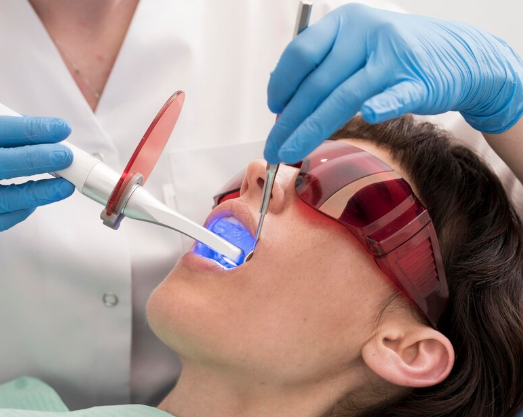
Laser-Assisted Bone Grafting in Korea represents a breakthrough in regenerative implant dentistry — combining biological precision with digital laser technology for faster healing, reduced discomfort, and enhanced safety.
This advanced procedure uses dental lasers to sterilize, stimulate, and prepare the bone graft site before graft placement, promoting superior integration and minimizing post-surgical trauma.
Korean dental specialists are global leaders in laser-assisted regenerative dentistry, utilizing AI-guided planning, 3D CBCT imaging, CAD/CAM surgical navigation, and PRF (Platelet-Rich Fibrin) healing systems to achieve exceptional results.
The combination of laser precision and biocompatible graft materials enables natural bone regeneration and optimal implant stability — ideal for patients undergoing full-mouth reconstruction.
Korea’s mastery of digital implantology, biologic enhancement, and laser microsurgery makes it a world leader in modern bone grafting techniques.
Purpose & Benefits
The Laser-Assisted Bone Grafting System integrates advanced laser energy to improve graft success, sterilize surgical fields, and accelerate bone healing for implant preparation.
Purpose
- Enhance bone graft success through laser biostimulation.
- Minimize infection risk via laser sterilization.
- Reduce inflammation and accelerate healing.
- Prepare graft sites with precision and minimal tissue trauma.
- Support full-mouth implant stability and bone volume regeneration.
Benefits
- Laser Precision: Microscopic accuracy for graft site preparation.
- Minimally Invasive Surgery: Reduced bleeding and swelling.
- Enhanced Healing: Stimulates natural bone cell regeneration.
- Sterile Surgical Field: Laser eliminates bacteria and pathogens.
- Faster Recovery: Shorter downtime and less discomfort.
- Improved Graft Integration: Increased bone density and strength.
- High Success Rate: 98–99% success in leading Korean clinics.
Ideal Candidates
Laser-Assisted Bone Grafting is ideal for patients seeking a safe, high-tech, and biologically enhanced approach to bone regeneration before implant treatment.
Ideal Candidates Include
- Patients with bone loss due to extractions, gum disease, or aging.
- Individuals preparing for full-arch or full-mouth implants.
- Those seeking faster recovery and minimal surgical pain.
- Patients with medical sensitivities requiring sterile surgical control.
- Individuals preferring advanced, digitally guided bone grafting.
Possible Risks & Complications
Laser-assisted bone grafting is one of the safest modern regenerative treatments, but mild short-term effects can occur:
- Temporary swelling or gum tenderness.
- Mild heat sensitivity at the surgical site.
- Minor bleeding or inflammation (rare).
Korean dental centers minimize all risks using AI-guided laser settings, PRF healing, and sterile digital environments, ensuring a smooth and predictable recovery process.
Surgical Techniques Used
Korea’s Laser-Assisted Bone Grafting Techniques merge AI navigation, microsurgical lasers, and regenerative biomaterials for superior clinical outcomes.
Common Techniques Include
- 3D CBCT Imaging: Digital mapping of bone structure and defect areas.
- AI-Guided Planning: Simulation of graft placement and laser intensity.
- Er:YAG or Diode Laser Application: Removes diseased tissue and sterilizes bone.
- Laser-Stimulated Bone Regeneration: Enhances cellular activity for new bone growth.
- Bioactive Bone Grafting: Application of autogenous, xenograft, or synthetic materials.
- PRF (Platelet-Rich Fibrin) Integration: Accelerates healing naturally.
- CAD/CAM Surgical Guides: Ensures precision in bone graft and implant alignment.
Recovery & Aftercare
Recovery from Laser-Assisted Bone Grafting in Korea is faster and more comfortable than traditional grafting due to laser sterilization and biostimulation.
Aftercare Guidelines
- Eat soft foods for 2–3 days.
- Avoid smoking and alcohol during healing.
- Brush gently around the treated area.
- Use an antibacterial rinse as prescribed.
- Attend digital follow-ups for healing assessment via CBCT scan.
Most patients resume normal activities within 24–48 hours, with minimal discomfort or swelling.
Results & Longevity
Expected Results
- Enhanced bone quality and regeneration speed.
- Reduced infection and inflammation risk.
- Strong foundation for implant placement.
- Natural, healthy jaw structure restoration.
Longevity
- Bone graft integration: Permanent once healed (3–6 months).
- Implant success rate post-graft: 98–99%.
- Durability: Lifetime stability with proper maintenance.
Korea’s digital precision and laser-assisted protocols ensure predictable, long-term success for full-mouth implant reconstruction.
Treatment Process in Korea
Korea’s Laser-Assisted Bone Grafting Workflow combines AI diagnostics, 3D planning, and precision laser surgery for safe and effective regenerative results.
Step-by-Step Process
- Consultation & Digital Imaging: CBCT and intraoral scans for bone analysis.
- AI Simulation: Virtual planning of graft volume and laser mapping.
- Laser Sterilization: Diseased tissue gently removed; bone surface disinfected.
- Graft Placement: Bioactive bone material placed into prepared site.
- PRF Healing Integration: PRF membranes applied for natural recovery.
- Laser Biostimulation: Post-graft laser therapy accelerates bone growth.
- Healing Phase (3–6 months): Graft integrates naturally.
- Implant Placement: AI-guided dental implants installed after bone maturation.
Why Korea Is a Top Destination
Korea is a global leader in digital regenerative implantology, known for combining laser precision, biological science, and affordability.
- AI & Robotic Laser Systems: Real-time surgical accuracy.
- Full Digital Workflow: From 3D planning to implant restoration.
- Biocompatible Graft Materials: Straumann®, Geistlich®, Osstem®, Dentium®.
- Minimally Invasive Protocols: Faster healing, less trauma.
- PRF & Laser Synergy: Natural tissue regeneration.
- Global Affordability: 40–60% lower cost than Western dental centers.
Korea’s fusion of laser technology, regenerative science, and digital innovation defines the future of implant dentistry.
Unique Korean Methods & Technology
- AI-Guided 3D Laser Navigation Systems.
- Er:YAG & Diode Laser-Assisted Grafting.
- CAD/CAM Surgical Template Design.
- PRF (Platelet-Rich Fibrin) Healing Integration.
- Piezoelectric & Laser Combo Surgery.
- Real-Time CBCT Scan Verification During Surgery.
These advanced technologies make Laser-Assisted Bone Grafting in Korea one of the safest, most precise, and biologically effective procedures worldwide.
Cost Range
| Type of Laser-Assisted Bone Graft Procedure | Cost (KRW) | Approx. USD |
|---|---|---|
| Localized Laser-Assisted Bone Graft | ₩1,500,000 – ₩2,500,000 | $1,100 – $1,850 |
| Full-Arch Laser Bone Regeneration | ₩3,500,000 – ₩5,000,000 | $2,590 – $3,700 |
| Dual-Jaw Laser Bone Grafting | ₩6,000,000 – ₩8,000,000 | $4,400 – $5,900 |
| Full Digital Laser Graft + Implant Package | ₩9,000,000 – ₩12,000,000 | $6,700 – $8,900 |
Packages typically include: 3D CBCT imaging, AI planning, laser surgery, bone graft material, PRF healing, and post-surgical follow-up scans.
Popular Clinics
- Seoul National University Dental Hospital: Leaders in AI-guided laser and regenerative implant surgery.
- Yonsei University Dental Hospital: Specialists in laser bone regeneration and full-arch reconstruction.
- Asan Medical Center Dental Clinic: Experts in PRF and biologically enhanced laser grafting.
- Samsung Medical Dental Center: Innovators in CAD/CAM digital implant and laser-assisted systems.
- JK Dental Implant Center (Gangnam): Luxury clinic specializing in advanced laser-assisted implant and bone graft treatments.


