
Treatment Overview
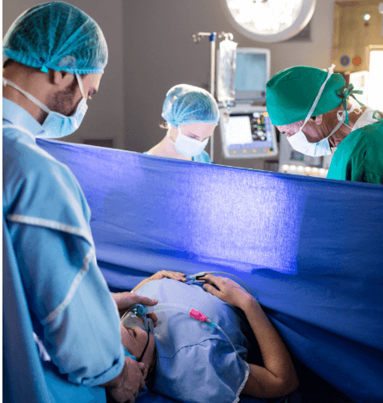
The Laser-Assisted Cervical Lesion Surgery in Korea represents the next generation of precision gynecologic care, combining high-definition imaging with laser-guided tissue removal to treat precancerous and abnormal cervical lesions effectively. This advanced method is often used in conjunction with LEEP (Loop Electrosurgical Excision Procedure) or Cone Biopsy, ensuring accurate removal of diseased tissue while preserving the surrounding healthy cervix.
Korea’s leading women’s hospitals are recognized worldwide for their excellence in laser-integrated gynecologic surgery, offering superior safety, precision, and cosmetic outcomes. Patients benefit from reduced bleeding, faster healing, and minimal cervical trauma, making this treatment ideal for those seeking fertility preservation and minimal recovery time.
Purpose & Benefits
Purpose:
- To remove precancerous or abnormal cervical tissue detected during Pap smear or HPV testing
- To prevent the progression of cervical dysplasia or early cervical cancer
- To promote healthy cervical tissue regeneration with minimal scarring
Benefits:
- High precision in tissue removal using laser energy
- Minimal bleeding, pain, and post-surgical scarring
- Enhanced visualization for complete lesion clearance
- Reduced risk of infection or cervical stenosis
- Shorter recovery and minimal downtime
- Fertility and cervical integrity preservation
- Improved post-surgical comfort and cosmetic outcome
Ideal Candidates
Laser-assisted cervical lesion surgery is ideal for women who:
- Have been diagnosed with cervical dysplasia (CIN 1–3) or mild carcinoma in situ
- Require a fertility-preserving procedure
- Seek a minimally invasive and precise treatment method
- Have had abnormal Pap smear or positive HPV test results
- Prefer a quick recovery with minimal discomfort
Patients with recurrent lesions, high-risk HPV, or previous LEEP procedures may also benefit from the laser-assisted technique for improved precision and healing.
Possible Risks & Complications
Although laser-assisted surgery is considered safe, potential risks include:
- Mild spotting or bleeding for several days
- Temporary vaginal discharge
- Rare infection at the surgical site
- Cervical stenosis (rare with proper postoperative care)
- Slight cramping or discomfort
Korean hospitals minimize these risks through strict aseptic protocols, real-time laser control systems, and comprehensive aftercare programs.
Surgical Techniques Used
Korean gynecologic surgeons use medical-grade CO₂ or diode laser systems with digital guidance for utmost precision. Key technologies include:
- Laser Excision & Vaporization: Targets and removes only diseased tissue while preserving surrounding healthy tissue.
- LEEP Integration: Combines laser energy with electrosurgical precision for enhanced depth control.
- Cone Biopsy with Laser Margin Mapping: Allows targeted removal and ensures complete excision of abnormal cells.
- High-Resolution Colposcopic Imaging: Enables accurate identification of lesion margins.
- Automated Smoke Evacuation & Cooling Systems: Improve patient safety and comfort during surgery.
These state-of-the-art techniques reduce thermal damage and preserve cervical architecture, which is especially important for women planning future pregnancies.
Recovery & Aftercare
Recovery following Laser-Assisted Cervical Lesion Surgery in Korea is generally fast and comfortable.
Typical Recovery Timeline:
- Discharge on the same day or within 24 hours
- Light activities within 2–3 days
- Complete tissue healing within 4–6 weeks
Aftercare Recommendations:
- Avoid sexual activity, tampons, and swimming for 2–4 weeks
- Attend scheduled follow-up visits and Pap smears
- Use prescribed topical healing agents or sprays for faster recovery
- Maintain hydration, rest, and avoid physical strain
Korean hospitals often provide integrative aftercare, including nutritional guidance, herbal supplements, and immune-boosting programs, to enhance cervical healing and prevent HPV recurrence.
Results & Longevity
Laser-assisted surgery ensures:
- Complete removal of abnormal cervical cells
- Restoration of normal cervical tissue
- Minimal scarring and excellent fertility preservation
- Long-lasting prevention of cervical dysplasia recurrence
- Reduced anxiety and improved overall gynecologic wellness
With proper follow-up and HPV monitoring, results are durable and typically permanent.
Treatment Process in Korea
- Consultation & Diagnosis: Comprehensive Pap smear, HPV testing, and colposcopy imaging to determine lesion type and severity.
- Surgical Planning: Selection of LEEP or Cone Biopsy combined with laser-assisted techniques.
- Precision Laser Surgery: Performed using CO₂ or diode laser with real-time guidance for optimal results.
- Postoperative Care: Includes wound care, medication, and gentle lifestyle guidance.
- Follow-Up & Monitoring: Repeat Pap smear or HPV test at 3–6 months to confirm full recovery.
Korea’s hospitals are globally recognized for their ultra-modern surgical systems, bilingual patient care teams, and comprehensive pre- and post-operative management, ensuring a safe and seamless medical journey for both local and international patients.
Cost Range
The Laser-Assisted Cervical Lesion Surgery in Korea generally costs between USD 5,000 and 10,000, depending on:
- Procedure type (LEEP + Laser or Laser Cone Biopsy)
- Hospital reputation and technology used
- Anesthesia and diagnostic inclusions
- Aftercare and holistic recovery package options
International patients can expect transparent pricing packages that often include consultation, surgery, pathology, follow-up care, and translation support.
Popular Clinics
- Severance Hospital (Yonsei University, Seoul): Pioneers in laser cervical surgery and fertility-preserving procedures.
- Samsung Medical Center (Seoul): Offers integrated HPV management and laser cone biopsy systems.
- Asan Medical Center (Seoul): Features high-definition colposcopy with laser-guided excision.
- CHA Gangnam Medical Center: Specializes in reproductive-focused laser cervical surgery and holistic healing.
- Ewha Womans University Medical Center: Combines precision laser treatment with advanced recovery and wellness programs.


