
Treatment Overview
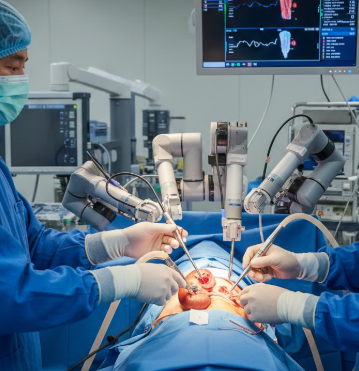
Laser-assisted kidney cancer surgery is an advanced technique that uses high-precision lasers to remove kidney tumors while minimizing damage to surrounding tissue. This method can be performed using robotic-assisted or laparoscopic approaches, offering a minimally invasive option with enhanced accuracy. In Korea, hospitals equipped with cutting-edge laser technology and experienced urologists provide safe and effective treatment for patients seeking kidney preservation and faster recovery.
Purpose & Benefits
The main purpose of laser-assisted kidney cancer surgery is to remove cancerous tissue while preserving healthy kidney function. Key benefits include:
- Precise tumor removal with minimal damage to surrounding tissue
- Reduced bleeding and shorter operative time
- Minimal scarring and faster recovery due to minimally invasive procedures
- Preservation of kidney function, especially in partial nephrectomy cases
- Access to advanced technology and highly skilled surgeons
Ideal Candidates
Ideal candidates for laser-assisted kidney cancer surgery include:
- Patients with localized or small kidney tumors
- Individuals seeking minimally invasive or robotic-assisted surgery
- Patients wishing to preserve maximum kidney function
- Those in good overall health suitable for surgery
- International patients seeking advanced surgical techniques in Korea
Possible Risks & Complications
While generally safe, laser-assisted surgery carries potential risks, including:
- Bleeding during or after surgery
- Infection at the surgical site
- Temporary or permanent decrease in kidney function
- Rare injury to nearby organs
- Tumor recurrence, though uncommon with precise laser removal
Korean hospitals reduce these risks with meticulous preoperative planning, intraoperative imaging, and post-surgical monitoring.
Techniques & Technology Used
Korea utilizes advanced laser technology and surgical techniques for kidney cancer treatment:
- Holmium and Thulium Laser: For precise tumor excision and tissue ablation
- Robotic-Assisted Surgery: Enhances precision, dexterity, and 3D visualization for laser-guided procedures
- Laparoscopic Surgery: Minimally invasive approach using laser energy for tumor removal
- Intraoperative Imaging: Ultrasound and CT guidance to ensure accurate tumor targeting
- Tumor-Sparing Partial Nephrectomy: Laser-assisted techniques to preserve healthy kidney tissue
Treatment Process in Korea
The typical process for international patients includes:
- Initial Consultation: Evaluation of medical history, imaging, and lab tests
- Preoperative Testing: Blood work, kidney function assessment, and overall health evaluation
- Surgery: Performed under general anesthesia using laser-assisted robotic or laparoscopic methods
- Hospital Stay: Typically 2–7 days depending on procedure and recovery
- Follow-Up: Imaging and lab tests to monitor kidney function and ensure complete tumor removal
Recovery & After-Care
Recovery after laser-assisted kidney cancer surgery includes:
- Pain management with minimally invasive protocols
- Early mobilization to reduce complications
- Kidney-friendly diet and hydration guidance
- Routine follow-up appointments to monitor kidney function and detect recurrence
- Personalized support for international patients, including language assistance and guidance
Results & Longevity
Patients benefit from:
- High precision and successful tumor removal
- Preservation of kidney function due to minimally invasive and tumor-sparing techniques
- Faster recovery and reduced hospital stay
- Minimal scarring and better cosmetic outcomes
- Long-term survival rates comparable to global standards
Why Korea Is a Top Destination
Korea is a preferred destination for laser-assisted kidney surgery because:
- Hospitals are equipped with advanced laser and robotic technologies
- Surgeons have extensive experience in minimally invasive and laser-guided kidney surgery
- Procedures minimize blood loss, scarring, and recovery time
- Comprehensive care for international patients, including translation and concierge services
- Competitive and transparent treatment costs compared to Western countries
Cost Range
Approximate costs for laser-assisted kidney cancer surgery in Korea:
- Robotic-Assisted Laser Surgery: $15,000–$25,000 USD
- Laparoscopic Laser-Assisted Surgery: $8,000–$15,000 USD
Costs typically include surgery, hospital stay, anesthesia, and preoperative tests; additional consultations or services may incur extra charges.
Popular Clinics in Korea
Top hospitals for laser-assisted kidney cancer surgery include:
- Samsung Medical Center, Seoul: Advanced laser-guided robotic-assisted nephrectomy
- Asan Medical Center, Seoul: Comprehensive minimally invasive kidney cancer treatment
- Severance Hospital, Seoul: Expertise in laser-assisted and laparoscopic kidney surgery
- Seoul National University Hospital: Tumor-sparing and laser-guided kidney procedures
- CHA Bundang Medical Center: State-of-the-art facilities for international medical tourists


