
Treatment Overview
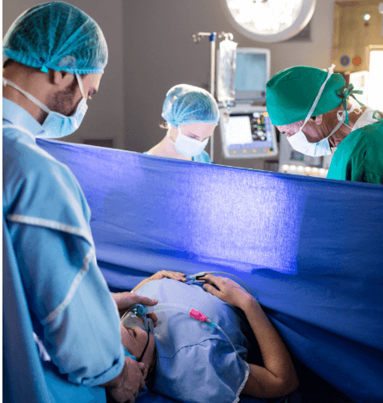
Laser-Assisted Ovarian Drilling Surgery in Korea is an advanced minimally invasive surgical technique designed to treat Polycystic Ovary Syndrome (PCOS) by restoring ovulation and improving fertility. PCOS is a complex hormonal condition that often causes irregular or absent ovulation, making conception difficult for many women. LAOD has become a preferred surgical intervention in Korea due to its precision, minimal invasiveness, and high success rate.
Korean specialists use cutting-edge laser technology combined with microsurgical precision to create small punctures in the ovarian surface. This process reduces androgen-producing tissue, restores hormonal balance, and triggers normal ovulation cycles. Korea’s expertise in LAOD stems from advanced gynecologic surgery protocols, state-of-the-art facilities, and highly trained specialists, making it a sought-after destination for PCOS surgical treatment.
Purpose & Benefits
The main purpose of LAOD is to restore ovulatory cycles in women with PCOS who have not responded to medical therapy. Key benefits include:
- Restoration of regular ovulation without long-term medication
- Improved hormonal balance by reducing ovarian androgen production
- Increased chances of natural conception
- Minimal surgical trauma and faster recovery compared to conventional ovarian surgery
- Reduced risk of ovarian adhesion formation due to precision laser technology
- Improved menstrual regularity and reduction of PCOS symptoms
Korean clinics also emphasize combining LAOD with hormonal and lifestyle management for optimal and sustained results.
Ideal Candidates
LAOD is ideal for women with PCOS who:
- Have persistent anovulation despite medical therapy (such as clomiphene or letrozole)
- Have not achieved conception with fertility medications
- Prefer a surgical option that preserves ovarian tissue
- Seek to improve their chances of natural conception before considering IVF
- Require a minimally invasive and precise surgical solution for PCOS-related infertility
Possible Risks & Complications
Laser-Assisted Ovarian Drilling is generally considered safe when performed by experienced surgeons, but as with all surgical procedures, there are some risks, including:
- Mild to moderate postoperative pain or discomfort
- Temporary menstrual changes during the first cycle after surgery
- Small risk of ovarian adhesion formation (significantly reduced with laser technology)
- Risk of bleeding or infection (rare)
- Rare possibility of diminished ovarian reserve if the procedure is not precisely performed
Korean surgical centers mitigate these risks through advanced imaging, precise laser calibration, and meticulous surgical technique.
Surgical Techniques Used
Laser-Assisted Ovarian Drilling is performed under laparoscopic guidance. The technique involves:
- General anesthesia to ensure patient comfort
- Insertion of a laparoscope through a small incision in the abdomen for visual guidance
- Targeted application of laser energy to create micro-perforations in the ovarian surface
- Careful preservation of healthy ovarian tissue to maintain ovarian function
- Use of advanced laser systems for controlled depth and minimal thermal damage
Korean clinics often integrate this with real-time ovarian mapping to ensure optimal targeting and to reduce unnecessary ovarian damage. This precision makes Korea a leader in LAOD procedures.
Recovery & Aftercare
Recovery from LAOD surgery is generally quick due to its minimally invasive nature. Patients can expect:
- Short hospital stay (often outpatient or 1-day stay)
- Mild discomfort or cramping for a few days after surgery
- Return to normal activities within 2–3 days
- Avoidance of strenuous activity for about one week
Aftercare includes hormonal monitoring, ultrasound follow-ups to track ovulation, and lifestyle guidance to support reproductive health. Korean clinics also often incorporate complementary therapies such as acupuncture and herbal medicine to enhance recovery and hormonal balance.
Results & Longevity
Many patients begin to ovulate within 1–3 months after LAOD surgery. Studies and clinical results from Korean hospitals show that LAOD can restore ovulation in up to 70–80% of resistant PCOS cases, with conception rates significantly improved. While LAOD is not a permanent cure for PCOS, its effects on ovulation and hormone regulation often last 12–18 months, and with proper lifestyle and hormonal support, results can be sustained longer.
Treatment Process in Korea
The LAOD process in Korea typically follows a structured pathway:
- Comprehensive Evaluation: Hormonal profiling, ovarian ultrasound mapping, and fertility assessment.
- Customized Surgical Planning: Precision mapping of ovarian tissue to determine the best laser drilling strategy.
- Surgery: Performed by highly trained gynecologic surgeons using advanced laparoscopic and laser technology.
- Postoperative Monitoring: Hormone levels and ovulation cycles are closely tracked.
- Integrated Aftercare: Includes lifestyle counseling, nutritional guidance, and optional complementary therapies such as acupuncture.
Korea’s laser-assisted ovarian drilling combines cutting-edge technology, precision microsurgery, and integrated post-surgical care, ensuring the highest possible success rates for PCOS-related infertility.
Cost Range
The cost of LAOD surgery in Korea generally ranges from ₩3,000,000 to ₩7,000,000 KRW (approximately $2,200–$5,400 USD), depending on the complexity of the case and whether additional fertility treatments are included. This cost typically covers diagnostic tests, surgery, anesthesia, and post-surgical monitoring. Comprehensive packages including pre-surgery evaluation, follow-up care, and supportive fertility therapy may range from ₩8,000,000 to ₩12,000,000 KRW ($6,000–$9,000 USD).
Popular Clinics
- CHA Fertility Center Seoul Station – Known for advanced minimally invasive PCOS surgery with integrated aftercare programs.
- Seoul Women’s Hormone & Fertility Clinic – Specializes in precision laser-assisted ovarian drilling and fertility restoration.
- Samsung Medical Center (Reproductive Medicine Division) – Uses AI-assisted ovarian mapping for optimal surgical outcomes.
- Banobagi Women’s Clinic – Offers comprehensive PCOS care, including LAOD integrated with lifestyle management.
- Ewha Womans University Medical Center – Combines research-based approaches with advanced surgical techniques for PCOS.
- Mirae Women’s Hospital Seoul – Offers high-precision laser-assisted ovarian drilling with full fertility planning.


