
Treatment Overview
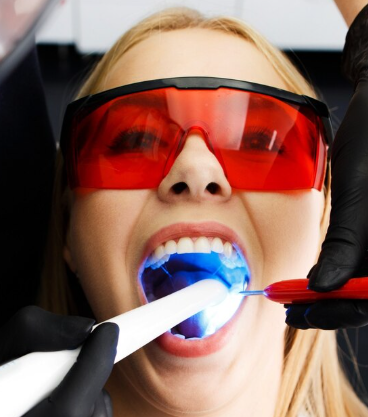
Laser-Assisted Sinus Lift in Korea is a cutting-edge, minimally invasive procedure that uses advanced dental laser technology to elevate the sinus membrane safely, reduce surgical trauma, and accelerate healing before dental implant placement.
Unlike traditional sinus lift surgery, which relies on manual bone access and mechanical instruments, the laser-assisted approach uses precisely calibrated laser energy to create a clean, sterile surgical field — minimizing bleeding, swelling, and discomfort.
Korean dental specialists are global pioneers in digital and laser-assisted implantology, combining AI-guided 3D planning, Piezoelectric microsurgery, and biologic PRF (Platelet-Rich Fibrin) healing for maximum precision and comfort.
This advanced method provides an ideal bone foundation for implants while ensuring a fast, pain-free recovery — especially for patients with thin bone or delicate sinus anatomy.
Korea’s leadership in laser technology, digital navigation, and regenerative healing defines the future of sinus lift and full-mouth implant surgery.
Purpose & Benefits
The Laser-Assisted Sinus Lift System enhances the safety and efficiency of sinus membrane elevation while supporting natural bone regeneration and implant integration.
Purpose
- Elevate the sinus membrane gently using controlled laser energy.
- Restore bone height in the upper jaw for implant placement.
- Reduce surgical trauma, bleeding, and infection risk.
- Stimulate faster tissue and bone regeneration.
- Achieve precise, clean surgical results with minimal downtime.
Benefits
- Minimally Invasive: Laser replaces scalpels and drills, reducing trauma.
- No Bleeding or Sutures: Bloodless surgery ensures faster recovery.
- AI-Guided Precision: Enhances laser targeting accuracy.
- Sterile Surgical Field: Laser sterilizes as it cuts, preventing infection.
- Accelerated Healing: PRF and laser biostimulation boost bone growth.
- Reduced Swelling & Discomfort: Ideal for sensitive or high-risk patients.
- Immediate Implant Placement: Often performed in the same session.
- High Success Rate: 98–99% success in top Korean implant clinics.
Ideal Candidates
Laser-Assisted Sinus Lift Surgery is ideal for patients who need gentle sinus augmentation with minimal pain, bleeding, or downtime.
Ideal Candidates Include
- Patients with mild to moderate bone loss in the upper jaw.
- Individuals needing implants in the upper molar or premolar region.
- Those who prefer painless, modern, and precise surgical techniques.
- Patients with bleeding disorders or sinus sensitivity.
- International patients seeking world-class digital implant care in Korea.
Possible Risks & Complications
Although Laser-Assisted Sinus Lift is among the safest surgical options, mild temporary side effects may occur:
- Slight swelling or tenderness for 1–2 days.
- Mild sinus pressure or nasal congestion.
- Temporary gum sensitivity.
- Rare sinus membrane perforation (repaired immediately with PRF).
Korean dental specialists minimize all risks through AI-guided laser calibration, PRF integration, and digital navigation, ensuring optimal safety and outcomes.
Surgical Techniques Used
Korea’s Laser-Assisted Sinus Lift Techniques combine digital imaging, precision lasers, and biologic regeneration to achieve perfect sinus membrane elevation and bone grafting.
Common Techniques Include
- 3D CBCT Sinus Mapping: Detailed imaging of bone height and sinus membrane thickness.
- AI-Guided Laser Calibration: Customizes laser energy for precise tissue cutting.
- Er:YAG / Nd:YAG Dental Lasers: Used to create a small access point and elevate the sinus membrane.
- Piezoelectric Ultrasonic Surgery: Complements laser for bone refinement.
- PRF (Platelet-Rich Fibrin) Application: Promotes natural healing and bone growth.
- Bone Graft Placement: Biocompatible graft materials inserted under the elevated membrane.
- CAD/CAM Surgical Guides: Ensures accuracy in implant positioning.
Recovery & Aftercare
Recovery after Laser-Assisted Sinus Lift in Korea is fast, clean, and nearly pain-free due to laser sterilization and biologic PRF healing support.
Aftercare Guidelines
- Eat soft foods for 1–2 days post-surgery.
- Avoid nose blowing or sneezing forcefully.
- Use saline rinse and gentle brushing around the treated area.
- Avoid smoking and alcohol during healing.
- Attend digital follow-up appointments for bone regeneration assessment.
Most patients resume normal activities within 24 hours, with minimal swelling or discomfort.
Results & Longevity
Expected Results
- Increased bone height and density under the sinus floor.
- Stable foundation for dental implants.
- Faster tissue healing and less post-surgical inflammation.
- Enhanced comfort and minimal recovery time.
Longevity
- Bone graft integration: Permanent after full healing.
- Implant success rate: 98–99%.
- Durability: Lifetime implant stability with regular oral care.
Korea’s use of AI-guided laser precision and biologic regeneration ensures predictable and lasting bone support for implants.
Treatment Process in Korea
Korea’s Laser-Assisted Sinus Lift Workflow combines digital navigation, biologic regeneration, and precision laser energy for optimal surgical results and comfort.
Step-by-Step Process
- Consultation & 3D CBCT Scan: Digital evaluation of sinus structure and bone thickness.
- AI Planning & Laser Calibration: Virtual simulation of access site and energy settings.
- Laser Access Creation: Gentle laser incision without cutting soft tissue flaps.
- Sinus Membrane Elevation: Laser and Piezoelectric tools lift membrane precisely.
- Bone Graft Placement: Biocompatible bone material inserted beneath sinus floor.
- PRF Membrane Application: Promotes healing and stabilizes graft.
- Implant Placement (if applicable): Performed during the same session.
- Healing & Digital Verification: Monitored via follow-up CBCT scans.
Why Korea Is a Top Destination
Korea is globally recognized for digital implantology, laser dentistry, and biologic bone regeneration, offering safe, advanced, and affordable sinus lift procedures.
- Laser Precision Systems: Real-time control and sterile surgical field.
- AI & Robotic Navigation: Ensures perfect membrane elevation.
- Biologic PRF Regeneration: Natural bone healing without chemicals.
- Full Digital Workflow: From CBCT scanning to final prosthetic design.
- Minimally Invasive Surgery: Painless and fast recovery.
- Top Global Implant Brands: Straumann®, Osstem®, Dentium®, Geistlich®.
- International Care Support: English-speaking coordinators and dental tourism assistance.
- Affordable Global Excellence: 40–60% less cost than Western clinics.
Korea’s fusion of AI-guided laser surgery, biologic science, and precision digital workflows makes it the #1 global destination for laser-assisted sinus lift and implant surgery.
Unique Korean Methods & Technology
- AI-Guided 3D Navigation for Laser Sinus Surgery.
- Er:YAG and Nd:YAG Laser Systems.
- Piezoelectric Ultrasonic Microsurgery.
- PRF (Platelet-Rich Fibrin) Regenerative Membranes.
- CAD/CAM Digital Surgical Guides.
- Laser Biostimulation for Accelerated Healing.
- Real-Time CBCT Monitoring During Procedure.
These state-of-the-art innovations ensure Laser-Assisted Sinus Lift in Korea is gentle, biologically safe, and globally superior in accuracy and patient comfort.
Cost Range
| Type of Laser-Assisted Sinus Lift Procedure | Cost (KRW) | Approx. USD |
|---|---|---|
| Standard Laser-Assisted Sinus Lift | ₩2,800,000 – ₩3,800,000 | $2,070 – $2,810 |
| PRF-Enhanced Laser Sinus Lift | ₩3,500,000 – ₩4,800,000 | $2,590 – $3,550 |
| Bilateral Laser-Assisted Sinus Lift | ₩5,000,000 – ₩7,000,000 | $3,700 – $5,180 |
| Full Digital Laser Sinus Lift + Implant Package | ₩9,000,000 – ₩12,000,000 | $6,700 – $8,900 |
Packages typically include: consultation, CBCT scan, AI planning, laser sinus lift surgery, bone graft material, PRF preparation, and digital follow-up scans.
Popular Clinics
- Seoul National University Dental Hospital: Leaders in digital and laser-assisted sinus implant surgery.
- Yonsei University Dental Hospital: Experts in biologic bone regeneration and PRF-supported laser surgery.
- Asan Medical Center Dental Clinic: Specialists in minimally invasive laser implantology.
- Samsung Medical Dental Center: Innovators in CAD/CAM and laser-based surgical systems.
- JK Dental Implant Center (Gangnam): Premium international clinic offering laser and digital implant procedures.


