
Treatment Overview
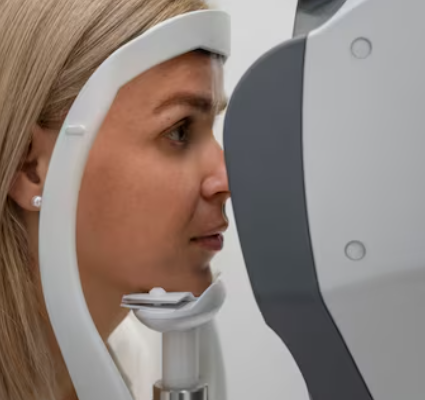
Laser Barricade Retinal Photocoagulation is a precision retinal laser procedure used to prevent or limit the progression of retinal tears, retinal detachment, and other peripheral retinal disorders. The treatment involves creating a laser “barricade” around areas of retinal thinning or tears, promoting adhesion between the retina and underlying tissue to stabilize the retina.
Korea is globally recognized for its advanced laser photocoagulation programs, integrating:
- High-precision retinal laser systems (argon or diode lasers)
- Digital fundus-guided laser delivery for accurate targeting
- Widefield imaging integration for peripheral retina mapping
- OCT and fundus photography-assisted planning
- Pain-minimizing protocols and local anesthesia
- AI-assisted monitoring for retinal tear risk and treatment efficacy
This approach effectively prevents retinal detachment, reduces the risk of vision loss, and preserves retinal integrity.
Purpose & Benefits
Purpose
- Seal retinal tears or lattice degeneration areas
- Prevent progression to retinal detachment
- Strengthen peripheral retina through laser-induced adhesion
- Stabilize retina post-vitrectomy or ocular trauma
- Reduce risk of vitreoretinal complications in high-risk patients
- Complement other retinal procedures when necessary
Benefits
- Minimally invasive outpatient procedure
- Rapid, precise treatment with immediate retinal adhesion formation
- Reduces risk of vision-threatening retinal detachment
- Short recovery with minimal downtime
- Can be combined with OCT and fundus imaging for accurate treatment planning
- Safe and effective in both prophylactic and therapeutic applications
Ideal Candidates
Laser Barricade Retinal Photocoagulation in Korea is suitable for:
- Patients with retinal tears, holes, or lattice degeneration
- Individuals at risk of rhegmatogenous retinal detachment
- Patients with vitreoretinal traction or posterior vitreous detachment
- Post-vitrectomy patients needing peripheral retinal stabilization
- Individuals with a history of ocular trauma or retinal degeneration
- High myopia patients with peripheral retinal thinning
Possible Risks & Complications
Laser photocoagulation is generally safe but carries potential risks:
Common/Moderate Risks:
- Mild discomfort or burning sensation during the procedure
- Temporary blurred vision
- Small scotomas (blind spots) in treated areas
- Mild inflammation or retinal edema
Rare/Serious Risks:
- Over-treatment causing central vision impairment
- Unintended retinal burns or damage to the macula
- Subretinal hemorrhage
- Rare progression to retinal detachment if untreated areas are missed
Korean clinics minimize risks through:
- Widefield imaging for accurate retinal mapping
- Laser energy titration for minimal tissue trauma
- Experienced retinal specialists performing treatment
- Post-treatment OCT and fundus photography monitoring
Related Treatment Techniques
- Vitrectomy Surgery – May be combined in cases with tractional retinal issues
- Cryopexy – Alternative for sealing retinal tears in certain patients
- OCT & Fundus Imaging – Guides laser placement and monitors healing
- Laser Photocoagulation for Macular Disorders – For diabetic macular edema or AMD in selected cases
- Adjunctive Anti-VEGF Therapy – In cases with coexisting neovascularization
Treatment Process in Korea
Step 1 – Pre-Laser Assessment
- Comprehensive retinal examination
- Fundus photography and widefield imaging
- OCT assessment of retinal thickness and tear location
- Visual acuity testing
Step 2 – Laser Barricade Planning
- Identify retinal tears, holes, or lattice degeneration
- Determine laser pattern, spot size, and intensity
- Plan treatment boundaries using fundus or widefield imaging
Step 3 – Laser Photocoagulation Procedure
- Local anesthesia applied (eye drops)
- Laser delivered in a circumferential pattern around the tear
- Immediate formation of retinal adhesion monitored
Step 4 – Post-Laser Evaluation
- Fundus examination to confirm adequate coverage
- OCT imaging to evaluate retinal integrity
- Prescription of anti-inflammatory or protective eye drops if needed
Step 5 – Follow-Up
- Regular retinal examinations to monitor healing
- Repeat laser treatment only if new tears or high-risk areas develop
Duration: 15–30 minutes
Setting: Advanced retinal clinic or ophthalmology center
Recovery & After-Care
After-Care Guidelines
- Avoid rubbing the eyes for 24–48 hours
- Use prescribed anti-inflammatory or lubricating drops
- Protect eyes from bright light temporarily
- Attend all follow-up visits to monitor retinal stability
Recovery Timeline
- Immediate: Mild discomfort or blurred vision
- 1–2 Days: Laser spots visible, retina begins adhesion formation
- 1–4 Weeks: Retina stabilized, scotomas minimal and usually non-disruptive
- Long-Term: Periodic retinal check-ups prevent new tears or detachment
Results & Longevity
Expected Results
- Immediate retinal adhesion around treated tears
- Prevention of progression to retinal detachment
- Stabilization of peripheral retina
- Reduced risk of vision loss from rhegmatogenous retinal detachment
- Long-term maintenance of retinal integrity with follow-up
Longevity
- Permanent reinforcement of treated retinal areas
- Lifelong monitoring ensures early detection of new tears
- Repeat treatment possible for additional high-risk areas
Why Korea Is a Top Destination
- Highly skilled retinal specialists with expertise in laser photocoagulation
- Advanced widefield imaging for precise laser placement
- Minimally invasive, outpatient procedures with rapid recovery
- Integration with OCT and fundus photography for comprehensive care
- High success rates in preventing retinal detachment
- State-of-the-art ophthalmology centers equipped with modern laser systems
Unique Korean Innovations
- AI-assisted mapping of retinal tears for accurate laser delivery
- Widefield laser systems covering peripheral retina efficiently
- Real-time OCT-guided laser photocoagulation for enhanced precision
- Combination protocols with vitrectomy or anti-VEGF therapy
- Digital dashboards for monitoring retinal healing and tear recurrence
These innovations make Korea a leading destination for Laser Barricade Retinal Photocoagulation, offering precise, effective, and safe retinal protection.
Cost Range (Indicative Estimate)
| Package | Price (KRW) | Approx. USD | Inclusions |
|---|---|---|---|
| Single Retinal Laser Barricade | ₩400,000 – ₩700,000 | ~$310 – $540 | Laser photocoagulation + follow-up |
| Widefield Peripheral Laser | ₩700,000 – ₩1,200,000 | ~$540 – $920 | Multiple tears or lattice degeneration coverage |
| Laser + OCT Imaging Package | ₩900,000 – ₩1,500,000 | ~$700 – $1,150 | Laser + OCT-guided monitoring |
| Combined Laser + Anti-VEGF | ₩1,500,000 – ₩2,500,000 | ~$1,150 – $1,900 | Laser + injection therapy + OCT follow-up |
Popular Clinics in Korea
- B&VIIT Eye Center (Seoul)
- Dream Eye Center (Seoul)
- BGN Eye Clinic (Seoul & Busan)
- Kim’s Eye Hospital (Seoul)
- Glory Seoul Eye Clinic
- NUNE Eye Hospital (Daegu)
- Seoul National University Hospital Retina Center
- Gangnam Severance Hospital Ophthalmology


