
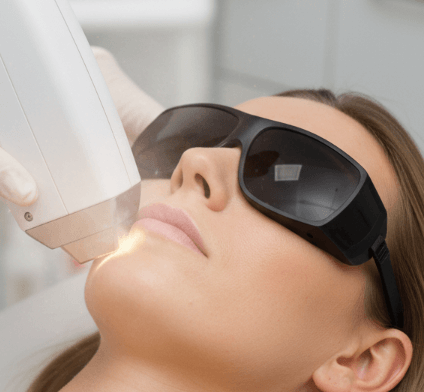
Treatment Overview
Laser Genesis is a non-ablative Nd:YAG laser (1064 nm) treatment frequently offered in Korean dermatology clinics for skin redness, vascular lesions, mild pigmented birthmarks, and overall skin rejuvenation.
It delivers gentle, micro-pulse laser energy into the upper dermis, stimulating collagen production, shrinking abnormal vessels, and diffusing redness. While not as aggressive as Pico, Alexandrite, or CO₂ lasers for deep pigmented birthmarks, Laser Genesis is effective for lighter vascular-pigment birthmarks (faint café-au-lait spots, red-brown marks, diffuse redness) and is often used as a supportive therapy in multi-step Korean birthmark treatment programs.
Purpose & Benefits
- Birthmark Fading: Lightens mild vascular and mixed pigmented lesions.
- Redness Reduction: Targets small vessels that give birthmarks a reddish appearance.
- Collagen Stimulation: Improves skin tone and texture around the lesion.
- Gentle & Safe: Suitable for sensitive or pediatric patients.
- No Downtime: Patients can return to daily life immediately.
Ideal Candidates
Laser Genesis in Korea is recommended for:
- Patients with mild pigmented or vascular-pigment mixed birthmarks.
- Individuals with facial redness, faint café-au-lait spots, or diffuse red-brown marks.
- Children or adults who need a low-risk, gentle laser option.
- Patients seeking maintenance treatment after stronger lasers (Pico, Dye, Alexandrite).
Possible Risks & Complications
Laser Genesis is very safe, but mild effects may include:
- Redness or Warmth: Temporary, lasts a few hours.
- Mild Swelling: Rare, resolves quickly.
- Temporary Darkening: Pigment may darken slightly before fading.
- Rare Risks: Minimal risk of scarring or PIH due to gentle energy delivery.
Surgical Techniques Used
- Nd:YAG 1064 nm Laser (Non-Ablative): Penetrates dermis to target vessels and diffuse pigment.
- Micro-Pulse Delivery: Prevents overheating, making it safe for Asian skin.
- Multi-Session Protocol: Best results with repeated treatments.
Protocol: Typically 4–6 sessions, spaced 2–4 weeks apart.
Recovery & Aftercare
Immediately: Mild warmth or redness.
1–3 Days: Skin feels smoother, slight pigment reduction noticeable.
1–2 Weeks: Gradual fading of redness and lighter birthmark appearance.
Aftercare Tips:
- Apply SPF 50+ sunscreen daily.
- Maintain hydration with barrier creams.
- Avoid exfoliants, acids, and retinoids for 2–3 days.
- Limit sun exposure during treatment cycles.
Results & Longevity
- After 1 Session: Fresher skin tone, mild fading of birthmark.
- After 2–3 Sessions: Noticeable reduction in redness and pigmentation.
- After 4–6 Sessions: Significant lightening of mild birthmarks and smoother skin.
- Long-Term: Maintenance every 6–12 months recommended, especially for vascular lesions.
Treatment Process in Korea
Consultation & Skin Analysis
- Dermatologist determines if birthmark is vascular, pigmented, or mixed.
- Laser Genesis chosen for lighter, less aggressive birthmarks or supportive care.
Preparation
- Gentle cleansing of the area.
- Protective eyewear provided.
- No numbing cream required (painless procedure).
Laser Genesis Session
- Step 1: Nd:YAG laser applied in multiple gentle passes.
- Step 2: Energy stimulates vessels and pigment without ablating skin.
- Step 3: Cooling mask or serum applied post-treatment.
- Duration: 20–30 minutes.
Post-Treatment Care
- Soothing creams or serums applied.
- Sunscreen emphasized before leaving the clinic.
Follow-Up
- 4–6 sessions recommended for visible results.
- Often combined with Pico, Dye, or Alexandrite lasers for deeper pigment clearance.
Unique Korean Advantages
- Asian Skin Protocols: Gentle energy levels tailored to avoid PIH rebound.
- Combination Packages: Laser Genesis paired with Pico or Dye Laser for resistant birthmarks.
- Child-Friendly: Safe and painless for pediatric patients with mild vascular lesions.
- Affordable Multi-Sessions: Commonly offered in bundled packages at Korean clinics.
Cost Range (Estimated)
- Single Session (Small Area): USD 120 – 200
- Full Face or Larger Birthmark (per session): USD 200 – 400
- 4–6 Session Package: USD 800 – 1,500
Additional Costs:
- Consultation: USD 20 – 50
- Add-ons (Vitamin C iontophoresis, whitening drips): USD 100 – 200
Example Korean Packages:
- Basic Laser Genesis Program (4 sessions): USD 700–900
- Advanced Birthmark Care (Genesis + Dye Laser): USD 1,500–2,000
- Premium Regenerative Program (Genesis + Pico/Alexandrite + Boosters): USD 2,000–2,500
Popular Clinics in Seoul
- Oracle Dermatology: Laser Genesis + Nd:YAG for red-pigmented birthmarks.
- Banobagi Dermatology: Genesis + Pico for faint café-au-lait spots.
- Renewme Skin Clinic: Genesis + Dye Laser for vascular-pigment lesions.
- View Plastic & Dermatology: Genesis + Alexandrite for diffuse pigment issues.
- Chaum Anti-Aging Center: Premium birthmark clearance with Genesis + boosters.


