
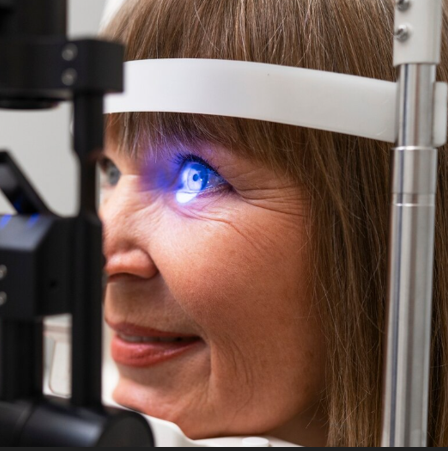
Treatment Overview
Laser Surface PRK Treatment in Korea represents the next-generation advancement of Photorefractive Keratectomy (PRK), combining Korean precision technology, AI-guided laser correction, and regenerative healing systems for outstanding visual outcomes.
This flap-free surface laser surgery corrects refractive errors such as myopia, hyperopia, and astigmatism through ultra-precise surface ablation, restoring high-definition visual clarity while preserving natural corneal strength and hydration.
Unlike LASIK, which requires creating a corneal flap, PRK corrects vision directly on the corneal surface. Korea’s ophthalmic centers have refined this procedure using AI-integrated excimer lasers, wavefront and topography-guided mapping, and oxygen-biologic healing technologies, ensuring exceptional precision, quicker recovery, and long-term visual stability.
Laser Surface PRK in Korea exemplifies the blend of innovation, accuracy, and patient comfort, offering crystal-clear vision with lasting safety and stability.
Purpose & Benefits
Purpose
- Correct refractive errors including myopia, hyperopia, and astigmatism.
- Enhance visual clarity, depth, and contrast sensitivity.
- Provide a flap-free, safe solution for patients unsuitable for LASIK or SMILE.
- Deliver long-term and stable vision correction through advanced Korean laser technology.
Benefits
- Flap-Free Safety: No corneal flap, preserving nerve integrity and corneal structure.
- AI Precision Mapping: Customized ablation patterns unique to each eye’s detailed measurements.
- Dry-Eye Friendly: Maintains natural tear film, reducing dryness after surgery.
- Regenerative Healing: Biologic and oxygen-based therapies promote faster epithelial recovery.
- Korean Engineering Excellence: Advanced laser platforms ensure smooth, uniform corneal reshaping.
- Long-Term Stability: Minimizes regression and ensures consistent visual performance.
Ideal Candidates
Laser Surface PRK Treatment in Korea is ideal for:
- Adults aged 18 or older with a stable vision prescription for at least one year.
- Individuals with thin or irregular corneas unsuitable for LASIK or SMILE.
- Patients experiencing dry eyes who prefer a flap-free correction method.
- Professionals or athletes requiring sharp, reliable visual performance.
- Those seeking a premium, long-lasting vision correction using modern Korean laser systems.
Possible Risks & Complications
Although Laser Surface PRK in Korea is highly safe, some temporary side effects may occur:
- Light Sensitivity: Common in early healing; typically resolves within days.
- Dryness or Irritation: Managed easily with lubricating eye drops.
- Hazy Vision: Temporary during corneal regeneration; clears as healing progresses.
- Inflammation: Controlled effectively with prescribed anti-inflammatory drops.
- Under- or Over-Correction: Rare and correctable through enhancement procedures.
Korean surgeons utilize AI-guided ablation, real-time eye tracking, and cooling-controlled laser delivery to reduce these risks and ensure precise treatment outcomes.
Techniques & Technology Used
Core Techniques
- AI-Guided Excimer Laser Ablation: Sub-micron accuracy for customized corneal reshaping.
- Wavefront-Optimized Correction: Minimizes optical aberrations for superior image quality.
- Topography-Linked Mapping: Adjusts precisely for corneal irregularities.
- Cooling-Control Laser Delivery: Keeps corneal temperature balanced for tissue comfort.
- Oxygen & Biologic Healing Protocols: Stimulate rapid epithelial and tissue regeneration.
- Real-Time Eye Tracking System: Ensures exact alignment and precision during laser treatment.
Korean ophthalmic centers integrate AI-based planning, wavefront-guided optics, and biologic restoration systems for unparalleled precision and patient comfort.
Treatment Process in Korea
Step-by-Step Workflow
- Comprehensive Eye Examination:
Includes corneal topography, pachymetry, wavefront mapping, and tear-film evaluation. - Epithelium Preparation:
The thin corneal epithelium is gently removed using a laser or a chemical-assisted method. - Laser Reshaping:
The excimer laser sculpts the cornea with a patient-specific profile. - Surface Protection:
A soft contact lens is placed to protect the cornea during healing. - Regenerative Recovery Therapy:
Biologic and oxygen-enriched treatments accelerate cell regeneration and visual recovery.
Procedure Duration: Approximately 10–15 minutes per eye
Recovery Period: Functional vision typically restored within 3–5 days, with full stability in 2–4 weeks.
Recovery & After-Care
After-Care Guidelines
- Use all prescribed antibiotic, anti-inflammatory, and lubricating drops as directed.
- Avoid rubbing or touching the eyes for at least one week.
- Wear UV-protective sunglasses outdoors.
- Refrain from swimming, sauna use, or intense exercise for two weeks.
- Attend all scheduled follow-up visits for corneal health monitoring.
Recovery Timeline
- Days 1–3: Mild discomfort and sensitivity; epithelial healing begins.
- Week 1: Vision stabilizes; normal activities may resume.
- Weeks 2–4: Clear, sharp vision achieved with improved contrast.
- 1–3 Months: Complete corneal recovery and stable long-term results.
Results & Longevity
Expected Results
- Clear, natural, high-definition vision under all lighting conditions.
- Improved contrast sensitivity and night vision.
- Stable and comfortable long-term visual clarity.
- Minimal risk of regression due to advanced laser precision.
Longevity
Laser Surface PRK Treatment in Korea provides permanent corneal reshaping and lasting vision stability for 15–20 years or longer.
Clinical results in Korea demonstrate high satisfaction rates, superior precision, and excellent comfort across various visual conditions.
Why Korea Is a Top Destination
Korea is internationally recognized for leadership in surface laser eye surgery, combining technology, medical expertise, and patient-centered care.
- Technological Leadership: Advanced excimer laser systems with AI-guided control.
- Expert Surgeons: Highly trained specialists with extensive experience in PRK and corneal surgery.
- Regenerative Recovery Systems: Biologic and oxygen-based therapies enhance healing and comfort.
- Flap-Free Safety: Ideal for thin corneas and active lifestyles.
- Comprehensive Care: Inclusive diagnostic, surgical, and post-care programs.
- Affordable Excellence: Premium-level outcomes at globally competitive costs.
Unique Korean Methods & Technology
- K-PRK AI Laser Calibration
- Wavefront & Topography-Guided Mapping
- Cooling-Control Excimer Platform
- Biologic & Oxygen Healing Integration
- Smart Surface Monitoring System
- Real-Time Eye Tracking
- Regenerative Corneal Restoration
These advanced innovations make Laser Surface PRK Treatment in Korea one of the most accurate, comfortable, and durable surface laser vision correction options in the world.
Cost Range
| Treatment Package | Price (KRW) | Approx. USD | Inclusions |
|---|---|---|---|
| Standard PRK Surgery | ₩1,800,000 – ₩2,800,000 per eye | ~$1,300 – $2,000 | Conventional PRK correction and follow-up care |
| K-PRK Premium Eye Surgery | ₩2,800,000 – ₩4,000,000 per eye | ~$2,000 – $2,900 | AI-guided PRK with biologic and oxygen recovery therapy |
| Advanced K-PRK Premium Package | ₩4,000,000 – ₩5,500,000+ per eye | ~$2,900 – $4,000+ | Regenerative therapy, enhanced imaging, and extended after-care |
Pricing may vary based on clinic, surgeon experience, and technology level used.
Popular Clinics in Korea
- B&VIIT Eye Clinic (Gangnam): Pioneer in K-PRK using AI and regenerative healing systems.
- Dream Eye Center (Seoul): Specializes in precision-guided PRK with advanced recovery programs.
- BGN Eye Clinic (Busan & Seoul): Offers high-accuracy PRK with next-generation excimer technology.
- Glory Seoul Eye Clinic: Focuses on biologic healing and regenerative corneal restoration through K-PRK innovation.


