
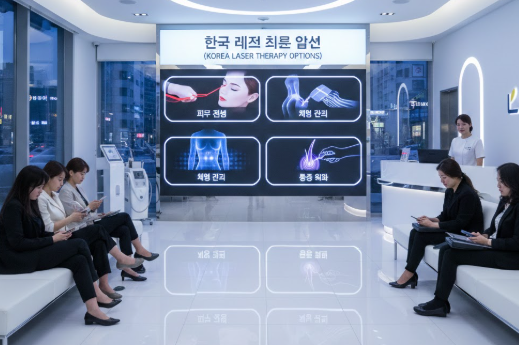
Treatment Overview
Laser therapy is an advanced minimally invasive treatment used to manage a variety of urological, bladder, and pelvic conditions, including bladder tumors, overactive bladder (OAB), urinary incontinence, and interstitial cystitis (IC).
In Korea, hospitals and specialized clinics provide state-of-the-art laser therapy programs that combine precision technology, expert urologists, and comprehensive care. Laser therapy minimizes tissue damage, reduces recovery time, and offers highly effective treatment for patients who prefer non-invasive or minimally invasive options.
Purpose & Benefits
The purpose of laser therapy is to:
- Treat urinary tract and bladder conditions with minimal invasiveness.
- Reduce symptoms such as pain, urgency, frequency, and bleeding.
- Improve bladder function and control.
- Minimize post-treatment complications and accelerate recovery.
Benefits include precision treatment, reduced hospital stay, minimal bleeding, faster recovery, and improved quality of life, making it a preferred option for both domestic and international patients.
Ideal Candidates
Laser therapy is suitable for:
- Adults diagnosed with OAB, IC, bladder tumors, or urinary incontinence.
- Patients who have not responded adequately to medication or conservative therapy.
- Individuals seeking minimally invasive alternatives to traditional surgery.
- Patients concerned about recovery time, scarring, or post-operative complications.
- International patients looking for advanced urology treatments in Korea.
Candidates are carefully evaluated to ensure safety and maximum treatment efficacy.
Possible Risks & Complications
Laser therapy is generally safe, but potential risks may include:
- Temporary discomfort or burning sensation during or after the procedure.
- Mild urinary urgency, frequency, or blood in urine.
- Rare infection or tissue irritation.
- Very rarely, laser may cause minor damage to surrounding tissues.
Korean clinics ensure patient safety through precision laser technology, sterile procedures, and close post-procedure monitoring.
Techniques & Technology Used
Laser therapy in Korea uses advanced technologies to target urological and bladder conditions:
- Holmium Laser: Used for bladder stones, strictures, and certain OAB interventions.
- CO2 Laser Therapy: Applied for bladder lining lesions, IC, and mild tumors.
- Fractional Laser Therapy: For pelvic floor and urinary incontinence management, especially in women.
- Combination Therapy: Laser treatment can be combined with medication or pelvic floor rehabilitation.
- Imaging and Endoscopy Guidance: Ensures precise targeting of affected tissues with minimal collateral damage.
These advanced techniques ensure effective treatment with high precision and minimal invasiveness.
Treatment Process in Korea
The typical laser therapy process includes:
- Initial Consultation: Review of medical history, diagnosis, and prior treatments.
- Diagnostic Evaluation: Urinalysis, cystoscopy, imaging, or urodynamic studies to determine eligibility.
- Personalized Laser Plan: Selection of laser type, energy settings, and treatment areas.
- Procedure: Laser therapy performed under local anesthesia, sedation, or general anesthesia depending on the case.
- Post-Procedure Care: Patients monitored for immediate recovery, discomfort, or complications.
- Follow-Up: Evaluation of symptom improvement, bladder health, and need for additional sessions.
Treatment is often outpatient or short-stay, allowing rapid return to daily activities.
Recovery & After-Care
Recovery from laser therapy is generally fast:
- Mild urinary frequency, urgency, or slight discomfort may occur temporarily.
- Patients are advised to increase fluid intake to flush the bladder and reduce irritation.
- Minimal activity restrictions; patients can usually resume normal routines within a few days.
- Follow-up appointments ensure monitoring for symptom improvement and prevention of recurrence.
Proper after-care ensures optimal treatment outcomes and long-lasting relief.
Results & Longevity
Patients undergoing laser therapy in Korea often experience:
- Reduction or elimination of urinary urgency, frequency, and incontinence.
- Relief from bladder pain and inflammation.
- Improved bladder capacity and function.
- Long-term symptom control with repeated sessions if necessary.
- Decreased need for invasive surgery and reduced risk of complications.
Laser therapy provides effective, durable results when combined with lifestyle adjustments and follow-up care.
Why Korea Is a Top Destination
Korea is a leading destination for laser therapy due to:
- Specialized Urology Clinics: Expert urologists trained in laser interventions.
- Cutting-Edge Technology: Access to the latest Holmium, CO2, and fractional lasers.
- Minimally Invasive Approach: Short recovery time, reduced complications, and precise treatment.
- Multidisciplinary Support: Integration of medication, pelvic floor therapy, and behavioral management.
- International Patient Assistance: English-speaking coordinators, teleconsultation, and medical tourism services.
International patients benefit from high-quality, efficient, and patient-centered laser therapy programs.
Cost Range
The cost of laser therapy in Korea varies depending on condition and procedure type:
- Initial consultation: $100 – $250
- Diagnostic evaluation: $200 – $700
- Laser session: $800 – $2,500 per session
- Follow-up consultation: $50 – $150
- Comprehensive care packages including multiple sessions, telemedicine, and rehabilitation: $1,000 – $3,000
Transparent pricing and structured packages allow international patients to plan treatment efficiently.
Popular Clinics in Korea
Top hospitals and clinics offering laser therapy include:
- Samsung Medical Center, Seoul
- Asan Medical Center, Seoul
- Severance Hospital (Yonsei University), Seoul
- Seoul National University Hospital, Seoul
- CHA Bundang Medical Center, Seongnam
These centers provide expert evaluation, precise laser therapy, and comprehensive follow-up care for international patients.


