
Treatment Overview
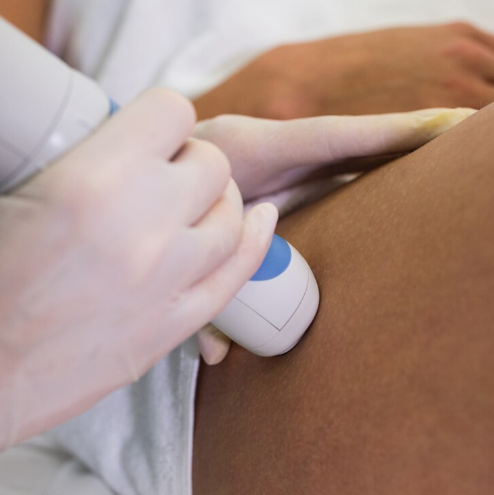
The “Laser Vaginal Tightening Therapy” in Korea falls under the category of women’s health / OBGYN and pelvic floor & urogynecology, and is used as an adjunct or enhancement to pelvic floor rehabilitation including Kegel-therapy devices. The technique uses controlled laser energy (commonly fractional CO₂ or Er:YAG) applied internally to the vaginal canal and surrounding tissues, to stimulate collagen remodeling, increase tissue firmness, improve elasticity and support the pelvic floor musculature. In Korean clinics this treatment is often combined with pelvic floor assessment, device-assisted training, physical therapy and lifestyle support.
Purpose & Benefits
The purpose of laser vaginal tightening therapy is multi-fold: to enhance the structural support of the vaginal canal and surrounding tissues, to improve pelvic floor muscle co-function by optimizing the tissue environment, to reduce mild urinary leakage (stress incontinence) by strengthening the supporting tissues around the urethra, and to improve comfort, sensitivity, and functional pelvic health. Benefits include improved tissue tone, better moisture/hydration of vaginal mucosa, enhanced pelvic floor muscle engagement, fewer episodes of leakage, improved sexual comfort and confidence, and shorter recovery/rehabilitation time when combined with pelvic floor training.
Ideal Candidates
The therapy is ideal for women who have: mild to moderate vaginal laxity (often post-childbirth or aging), mild urinary incontinence associated with pelvic floor weakness, vaginal dryness or discomfort, or women seeking an adjunctive treatment to enhance their pelvic floor training (including Kegel-device programmes). It is also suitable for women in a comprehensive rehabilitation pathway (pelvic floor physical therapy under a women’s health / OBGYN clinic) wanting a minimally invasive option that supports device-based Kegel training and pelvic-floor strengthening.
Possible Risks & Complications
Laser vaginal tightening therapy is generally considered safe, but potential risks include temporary warmth or mild discomfort in the treated area, transient spotting, mild swelling or sensitivity for a few days post-treatment, and (very rarely) tissue irritation or infection if post-procedure care is neglected. If the underlying structural pelvic support (ligaments, muscles, fascia) is significantly compromised, relying only on laser therapy without proper pelvic-floor rehabilitation or surgical evaluation may lead to sub-optimal results.
Surgical Techniques Used
While laser tightening is non-surgical, in some cases it is integrated into a broader treatment plan that may include surgical pelvic-floor or vaginal-support procedures. In Korea, clinics offering vaginal tightening will often evaluate whether non-surgical (laser/RF) or surgical (vaginoplasty, ligament repair) techniques are required, and use the laser therapy to complement surgical or device-based pelvic-floor support rehabilitation.
Recovery & Aftercare
Recovery from laser vaginal tightening is relatively straightforward: treatments typically take 20–30 minutes in clinic, with minimal to no downtime. Aftercare includes avoiding sexual intercourse, tampons or baths/saunas for a short period (often 3–5 days), light activity immediately, and following home instructions for pelvic-floor muscle training, device-assisted Kegel training, posture/movement education and lifestyle habits (fluid/voiding training, lifting/strain avoidance). Over the next weeks collagen remodelling continues and pelvic-floor training with Kegel devices or supervised therapy is essential for best outcomes.
Results & Longevity
Women who undergo laser vaginal tightening therapy typically see improved vaginal tightness, better pelvic-floor muscle responsiveness, fewer leakage episodes, improved sexual comfort and enhanced functional movement. The longevity of results depends on factors such as the baseline tissue condition, consistency of pelvic-floor rehabilitation (including Kegel-device training), lifestyle factors (weight, coughing, heavy lifting) and the use of maintenance treatments. Many Korean clinics recommend follow-up or booster sessions occasionally to maintain results.
Cost Range
In Korea, approximate cost estimates for laser vaginal tightening treatments are:
- Single non-surgical laser session: about ₩ 500,000 to ₩ 1,200,000 (roughly USD 370–900) depending on clinic and device.
- Multi-session packages (recommended for full effect) may range from ₩ 1,200,000 to ₩ 2,500,000 (USD 900–1,900) or more.
Costs may increase if combined with device-assisted Kegel training, diagnostics, or international-patient support.
Best Clinics in Korea
Some of the standout clinics in Korea offering women’s health/pelvic-floor physical therapy, laser vaginal tightening and device-enhanced Kegel support include:
- Gangnam J Urology Clinic (Seoul, Gangnam District) – Known for integrative pelvic floor therapy programmes including laser and device-training.
- SH Clinic (Seoul, Sinsa District) – Specializes in laser vaginal rejuvenation, pelvic floor rehabilitation and women-focused care.
- Yoonho OB/GYN Hospital (Seoul, Gangnam District) – Offers multidisciplinary women’s health services including laser vaginal tightening, Kegel-device training and pelvic floor physio.


