
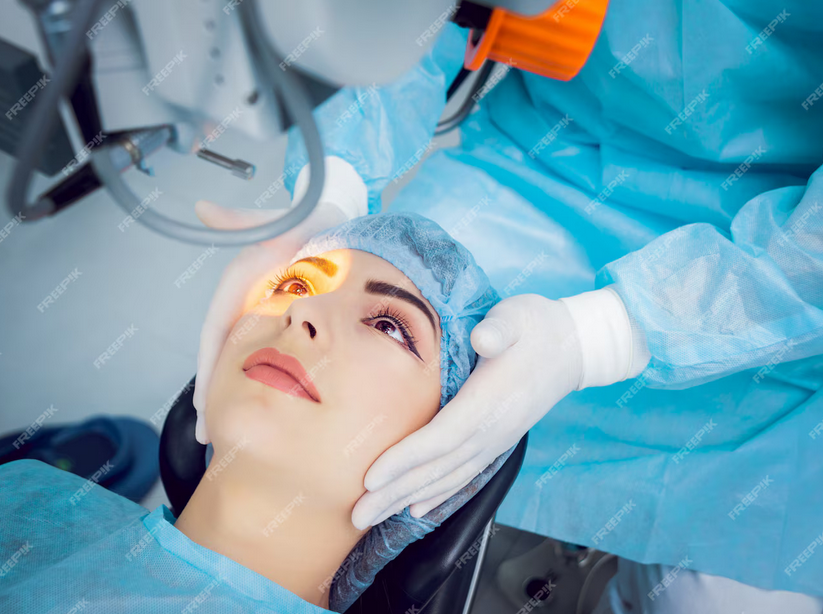
Imagine waking up in the morning and seeing the world clearly—no glasses, no contacts, just crystal-clear vision from the moment you open your eyes. For millions of people around the world, this dream becomes a reality through LASIK eye surgery. Known for its speed, precision, and life-changing results, LASIK (Laser-Assisted In Situ Keratomileusis) is one of the most popular and effective forms of vision correction available today.
In countries like South Korea, where medical technology and surgical expertise are world-class, LASIK has become a top choice for both locals and medical tourists seeking permanent vision improvement.
👁️ What Is LASIK Eye Surgery?
LASIK is a laser vision correction procedure that reshapes the cornea—the clear, dome-shaped front surface of the eye—to improve how light is focused onto the retina. It can correct:
- Myopia (nearsightedness)
- Hyperopia (farsightedness)
- Astigmatism (irregular curvature of the cornea)
During the LASIK procedure:
- A thin corneal flap is created using a femtosecond laser.
- The flap is gently lifted.
- An excimer laser is used to reshape the underlying corneal tissue.
- The flap is repositioned without the need for stitches.
The entire process takes less than 15 minutes per eye, and vision often improves within hours.
✅ Benefits of LASIK Eye Surgery
1. Rapid Vision Improvement
Many patients report 20/20 or better vision within 24 hours after surgery.
2. Minimal Pain and Downtime
The procedure is virtually painless, with local anesthetic eye drops and minimal recovery time. Most return to work in 1–2 days.
3. Long-Lasting Results
Once your vision stabilizes (usually in your early 20s), the effects of LASIK can last decades—often for a lifetime.
4. Cost-Effective Over Time
Though there’s an upfront investment, LASIK eliminates ongoing costs for glasses, contacts, and solutions, making it a smart long-term financial choice.
5. Boosted Confidence and Convenience
Patients enjoy active lifestyles, travel, sports, and social situations without worrying about corrective eyewear.
🏥 Why Choose Korea for LASIK?
South Korea is one of the global leaders in LASIK and refractive eye surgery. Patients from around the world come for:
- Highly trained ophthalmic surgeons
- Advanced femtosecond and excimer laser technologies
- Personalized eye exams and corneal mapping
- Competitive pricing with exceptional quality
- Foreign-patient-friendly services, including translation and travel support
Major clinics in Seoul often provide same-day consultation and surgery, ideal for international travelers with limited time.
🔬 Who Is an Ideal Candidate for LASIK?
You may be eligible for LASIK if:
- You are 18 years or older
- Your vision has been stable for at least 1 year
- You have healthy corneas with sufficient thickness
- Your prescription falls within the treatable range:
- Myopia: up to -10.00 diopters
- Hyperopia: up to +4.00 diopters
- Astigmatism: up to 6.00 diopters
- You are not pregnant or nursing
- You do not have eye conditions like keratoconus, cataracts, or glaucoma
🔍 LASIK vs. SMILE vs. LASEK
| Feature | LASIK | SMILE | LASEK |
|---|---|---|---|
| Flap Created | ✅ Yes | ❌ No | ❌ No |
| Recovery Time | 1–2 days | 1–2 days | 5–7 days |
| Dry Eye Risk | Moderate | Low | Low |
| Ideal for Thin Corneas | ❌ No | ✅ Yes (some cases) | ✅ Yes |
| Night Vision Clarity | High | Very High | High |
| Trauma/Flap Risk | ✅ Flap risk exists | ❌ No flap | ❌ No flap |
👨⚕️ What to Expect: Procedure & Recovery
Before Surgery:
- Comprehensive eye examination (corneal thickness, refraction, pupil size)
- Discontinue contact lenses 1–2 weeks before (depending on type)
- Discussion of expectations and risks with your ophthalmologist
Day of Surgery:
- Surgery takes ~15 minutes for both eyes
- Local numbing eye drops are used
- You’ll see better immediately, though vision may be hazy
After Surgery:
- Mild dryness, burning, or watering for a few hours
- Vision stabilizes over 24–72 hours
- Eye drops and protective shields provided
- Avoid rubbing eyes, swimming, or strenuous activities for 1–2 weeks
📣 Real Patient Testimonial
“I had LASIK done in Seoul after years of wearing glasses since childhood. The surgery was smooth and totally pain-free. I could see signs on the subway the next day without glasses for the first time in years. It’s a game-changer.”
— Kevin L., 28, Canada
🧳 Traveling to Korea for LASIK? Here’s What You Need to Know:
- Plan a stay of 3–5 days for consultation, surgery, and follow-up
- Many clinics offer translation services and airport transfers
- Ideal to avoid eye makeup, alcohol, and smoking before surgery
- Bring previous prescriptions or vision records if possible
💬 Frequently Asked Questions
Q: Is LASIK permanent?
Yes, LASIK provides long-lasting results. However, age-related vision changes like presbyopia (after age 40) may still require reading glasses.
Q: Does it hurt?
No. Most patients report zero pain during the procedure, and only mild discomfort for a few hours afterward.
Q: Can LASIK fix astigmatism?
Yes! Modern LASIK technology can effectively correct astigmatism up to 6.00 diopters.
Q: Are both eyes done at once?
Yes, typically both eyes are treated during the same session for convenience and quicker recovery.
🌟 Final Thoughts: See the World with Clarity
LASIK eye surgery has revolutionized how people experience the world—offering freedom from glasses, enhanced confidence, and sharp, stable vision that supports every aspect of life. Whether you’re a student, traveler, athlete, or working professional, LASIK in Korea offers world-class care with lasting results.
Ready to transform your vision?
Book a consultation with a certified LASIK clinic in Korea today and start your journey toward crystal-clear sight—safely, affordably, and confidently.


