
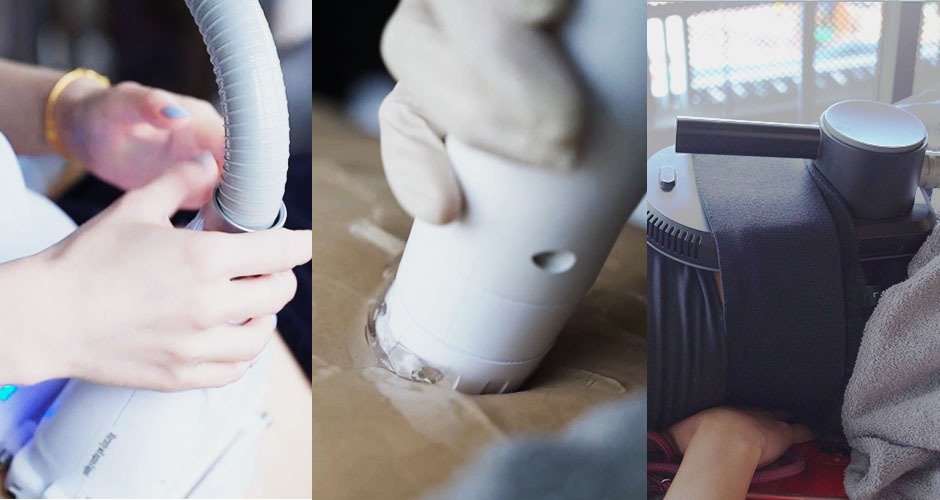
Treatment Overview
The Liftera Vaginal HIFU Tightening System is a non-surgical treatment leveraging high-intensity focused ultrasound (HIFU) energy specifically designed for vaginal canal and pelvic-floor tissue tightening. In the context of stress urinary incontinence (SUI) — involuntary urine leakage during exertion, cough or sneeze — this system targets the supportive tissues of the bladder neck and urethra by tightening vaginal walls and surrounding connective tissue, improving urethral closure and pelvic-floor support. In Korea, this device is offered in advanced uro-gynecology and women’s health clinics as part of a comprehensive pelvic-floor rehabilitation suite.
Purpose & Benefits
Purpose:
- To rebuild and strengthen peri-urethral and vaginal supportive tissue, thereby reducing SUI episodes.
- To stimulate collagen remodelling and elastin renewal in the vaginal canal and pelvic-floor tissues.
- To offer a non-invasive, minimal-downtime option for women seeking functional improvement in urinary control and vaginal support.
Benefits:
- Non-surgical: no incisions, general anaesthesia or hospital stay.
- Rapid procedure time, minimal discomfort and immediate return to daily activities.
- Dual functional and aesthetic benefit: improves bladder support and enhances vaginal tone.
- Suitable for postpartum, peri-menopausal or post-menopausal women experiencing vaginal laxity and mild to moderate SUI.
- Korean clinics provide high-technology equipment, integrated pelvic-floor programmes and foreign-patient friendly services.
Ideal Candidates
Ideal patients for Liftera Vaginal HIFU Tightening System include:
- Women experiencing mild to moderate stress urinary incontinence, such as leakage with cough, sneeze or physical exertion.
- Women with vaginal laxity or diminished tissue support following childbirth, ageing or hormonal alteration.
- Those seeking non-surgical interventions for urinary support rather than immediately proceeding to sling or mesh surgery.
- Women who are medically stable (no active pelvic infection, significant pelvic-organ prolapse, or contraindications to HIFU).
- Patients willing to adhere to after-care, pelvic-floor exercise and maintenance therapy to maximise benefit.
Possible Risks & Complications
While generally safe, use of the Liftera system can carry potential minor risks:
- Mild warming, tingling or sensation of heat in the treated area during and after the session.
- Temporary vaginal discharge, slight spotting or moderate sensitivity post-treatment.
- Rare risk of discomfort if settings are too aggressive, or if patient has unusually fragile tissue.
- The effect may diminish over time, especially if underlying structural damage is present and not addressed.
- If severe urethral sphincter deficiency or pelvic-organ prolapse exists, HIFU alone may be inadequate and delaying surgical repair could reduce optimal outcome.
Techniques Used
In Korean women’s-health clinics employing Liftera Vaginal HIFU Tightening System, the following technique elements are common:
- Internal vaginal probe application: A specialised HIFU hand-piece is inserted into the vaginal canal to deliver focused ultrasound energy to deep tissue layers of vaginal wall and support tissue.
- Multiple focal depths: Energy is delivered at varying depths to the sub-mucosa, muscularis and peri-urethral supportive zones to achieve comprehensive tightening.
- Sequential passes: Typically multiple passes are done around the anterior vaginal wall (closer to bladder/urethra) as well as full circumference for overall canal tightening.
- Personalised settings: Device parameters (energy, depth, number of shots) are customised depending on tissue quality, patient age, leakage severity and clinical goal.
- Integrated evaluation: Korean clinics often combine HIFU sessions with baseline pelvic-floor assessment (e.g., ultrasound, muscle strength testing) and follow-up to track functional improvement in SUI.
Recovery & Aftercare
Recovery:
- Very minimal downtime; patients usually resume normal activities immediately post-procedure.
- Some may feel mild warmth or slight pelvic-floor muscle sensation for hours afterward.
- Avoid heavy exercise or intravaginal device use (tampons, douches) for 24–48 hours as recommended.
Aftercare:
- Complete the full treatment course (often 2–3 sessions spaced 4–6 weeks apart).
- Perform home pelvic-floor muscle exercises (Kegels, core stability) to optimise functional support.
- Maintain lifestyle measures: healthy weight, avoid chronic cough/constipation, reduce heavy lifting.
- Attend follow-up assessments to evaluate leakage episodes, pad use and muscle strength.
- Maintenance sessions (annually or as recommended) help sustain tissue tightening and support.
Results & Longevity
Results:
- Many women report increased vaginal tone, improved sensation and reduction in urinary leakage within 4–6 weeks post-treatment.
- Strengthened support tissues help reduce SUI episodes during stress activities such as coughing, sneezing or exercise.
- Secondary benefits include improved comfort, lubrication and intimate wellness.
Longevity:
- The results of Liftera Vaginal HIFU Tightening System typically last 12–24 months, depending on age, hormonal status, tissue quality and adherence to after-care.
- Duration is improved when pelvic-floor exercises are maintained and lifestyle risk-factors addressed.
- Maintenance treatment sessions help extend the effect.
- In cases where there is significant structural damage, results may plateau or recur, in which case surgical evaluation might become necessary.
Treatment Process in Korea
Why Korea is a Top Destination:
- Korea has become a global leader in intimate-health and uro-gynecology technologies — combining robust research, advanced devices and skilled clinicians.
- Clinics in Seoul and major cities adopt the latest HIFU devices (such as the Liftera system) soon after global release, offering patients cutting-edge treatment.
- Women’s-health centres often integrate HIFU therapies with holistic pelvic-floor rehabilitation, physiotherapy, and lifestyle coaching — yielding better functional outcomes for SUI.
- Many clinics offer international patient services: bilingual coordinators, transparent pricing, privacy-oriented environment and streamlined scheduling for foreign travellers.
- Korean regulatory and safety standards for medical devices and women’s health clinics are rigorous, ensuring high quality of care and patient satisfaction.
Typical Process:
- Consultation and Assessment: Detailed history of urinary leakage, pelvic-floor exam, possibly ultrasound assessment of bladder/urethra support, and planning of HIFU course.
- Preparation: Minimal preparation required; vaginal cleansing advised; local comfort measures applied if needed.
- HIFU Treatment: Patient lies comfortably; vaginal probe is inserted; focused ultrasound pulses delivered over ~20–30 minutes, generally along the anterior wall and full circumference depending on plan.
- Post-Treatment: Patient may experience mild warmth; typically no restrictions; normal activities resumed.
- Series Completion & Review: After subsequent sessions (usually 2–3), clinical review of leakage episodes, pad use, muscle strength. Adjustments or maintenance plan made.
- Maintenance & Follow-Up: Periodic maintenance sessions and pelvic-floor exercise programme continuing based on follow-up evaluation.
Unique Korean Methods & Technology:
- Use of advanced focal-depth HIFU vaginal probes calibrated for Korean patient anatomy and tissue characteristics.
- Combination of HIFU with pelvic-floor muscle rehabilitation devices (EMS chairs, biofeedback) in a single clinic visit.
- Pre- and post-treatment objective assessment of pelvic support and muscle strength via imaging or sensor equipment — uncommon in standard clinics.
- Holistic care model: Women’s-health centre combining urinary incontinence treatment with intimate wellness, postpartum recovery, aesthetic vaginal therapy and core/pelvic stability training.
Cost Range (Details)
Estimated cost for Liftera Vaginal HIFU Tightening System in Korea (based on typical HIFU/vaginal-tightening pricing) might be:
- Single Session: Approximately ₩ 400,000 – ₩ 1,000,000 KRW (≈ US $300 – $750)
- Full Treatment Course (2-3 Sessions): Approximately ₩ 1,200,000 – ₩ 2,500,000 KRW (≈ US $900 – $1,900)
- Comprehensive Package (HIFU + Pelvic-Floor Rehabilitation): Possibly ₩ 1,800,000 – ₩ 3,500,000 KRW (≈ US $1,400 – $2,700)
- Maintenance Session: Approximately ₩ 400,000 – ₩ 700,000 KRW (≈ US $300 – $530)
Pricing varies with clinic reputation, device version, complexity of patient case and whether additional therapies are included.
Popular Clinics in Korea
- Women’s hospitals in Seoul specialising in uro-gynecology and non-surgical pelvic-floor rejuvenation.
- Gangnam-based OBGYN centres offering premium vaginal HIFU treatments for urinary incontinence.
- Postpartum wellness and intimate-health clinics integrating HIFU, EMS and physiotherapy.
- Medical-tourism ready clinics with foreign-patient services, bilingual staff, and advanced pelvic-floor programmes.
- Private women-only clinics focussed on functional and aesthetic vaginal health for international and domestic patients alike.


