
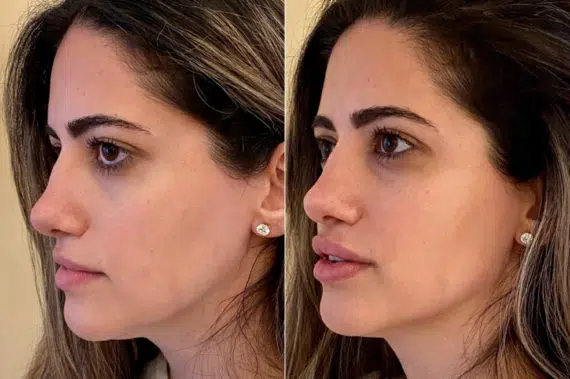
A lip lift is an increasingly popular cosmetic procedure designed to rejuvenate the appearance of the upper lip by shortening the distance between the nose and the lip, enhancing fullness, and creating a more youthful smile. However, like any surgical procedure, there are risks and potential pitfalls that can lead to disappointing results — or worse, a lip lift gone wrong.
In this guide, we’ll cover common mistakes to avoid, red flags to watch for, and how to select a qualified surgeon to ensure your lip lift experience is safe, effective, and satisfying.
Common Lip Lift Mistakes That Can Lead to Poor Outcomes
1. Choosing an Inexperienced or Unqualified Surgeon
One of the biggest reasons for a lip lift gone wrong is inadequate surgical skill or lack of experience. Lip lifts require precise planning and technique to maintain natural proportions and minimize visible scarring.
Warning Signs:
- Surgeon not board-certified in facial plastic or cosmetic surgery
- Limited experience specifically with lip lift procedures
- Poor patient reviews or no before-and-after photos
2. Over- or Under-Correction
Removing too much or too little skin can drastically affect the aesthetic outcome.
- Over-correction can result in a “puffy” or unnatural lip appearance, excessive tooth show, or tightness that affects speech and smiling.
- Under-correction may leave the philtrum too long, resulting in minimal improvement and patient dissatisfaction.
3. Ignoring Individual Facial Anatomy
A one-size-fits-all approach can lead to imbalance and asymmetry. Proper assessment of the patient’s unique facial proportions, lip shape, and skin elasticity is critical to tailoring the procedure.
4. Poor Scar Placement and Management
Visible, thick, or widened scars are a common concern with lip lifts.
- Incisions placed too far from natural creases can be conspicuous.
- Inadequate wound care or infection can worsen scar appearance.
- Not following post-op instructions on sun protection and scar treatment can prolong healing.
5. Neglecting Pre- and Post-Operative Care
Failure to prepare for surgery or adhere to recovery guidelines can increase risks such as infection, swelling, or delayed healing.
How to Avoid a Lip Lift Gone Wrong: Choosing the Right Surgeon
Look for Board Certification and Specialization
Ensure your surgeon is board-certified by a recognized body such as the American Board of Facial Plastic and Reconstructive Surgery or equivalent, with extensive experience in lip lift techniques.
Review Before-and-After Photos and Patient Testimonials
Ask to see multiple examples of previous lip lift patients to evaluate the surgeon’s aesthetic style and consistency.
Have a Thorough Consultation
A skilled surgeon will:
- Evaluate your facial anatomy carefully
- Discuss realistic expectations and potential risks
- Explain all surgical options and recommend the best technique for you
Questions to Ask During Your Consultation
- How many lip lifts have you performed?
- Can I see before-and-after photos of patients similar to me?
- What type of lip lift technique do you recommend, and why?
- Where will my incisions be, and how visible will scars be?
- What is the recovery process like, and what risks should I be aware of?
What to Do If Your Lip Lift Goes Wrong
If you experience complications or are unhappy with your results, consult your surgeon immediately. Some issues may improve with time or non-surgical treatments like laser scar therapy or fillers. In severe cases, revision surgery by a highly experienced specialist may be necessary.
Final Thoughts
While a lip lift can deliver beautiful, youthful results, avoiding a lip lift gone wrong requires careful planning, realistic expectations, and choosing the right surgeon. Take your time researching, asking questions, and trusting your instincts to ensure your lip lift journey is a positive one.


