
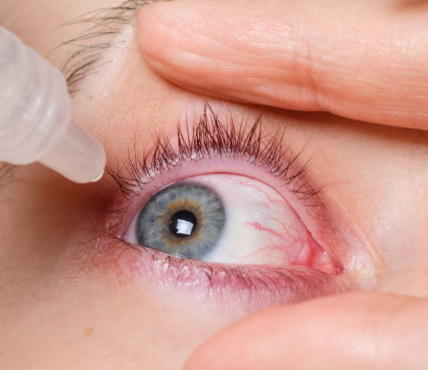
Treatment Overview
Lipid Layer Stabilization Drops in Korea are advanced therapeutic eye drops specially formulated to restore and reinforce the lipid (oil) layer of the tear film — the outermost layer responsible for preventing tear evaporation and maintaining ocular moisture. This treatment is designed for patients suffering from Evaporative Dry Eye Syndrome and Meibomian Gland Dysfunction (MGD), where insufficient oil production leads to rapid tear loss and chronic dryness.
Korean ophthalmologists employ AI-guided tear film diagnostics, lipid imaging analysis, and customized drop formulations enriched with biocompatible lipids, phospholipids, and antioxidants. These drops mimic the natural oil composition of healthy tears, enhancing surface lubrication, reducing evaporation, and improving visual comfort.
Lipid Layer Stabilization Drops in Korea represent a modern, non-invasive, and scientifically formulated approach to treating dryness at its root cause — restoring tear balance, soothing inflammation, and protecting the corneal surface for long-term comfort.
Purpose & Benefits
Purpose
- Rebuild and stabilize the lipid layer of the tear film.
- Prevent excessive tear evaporation and surface dehydration.
- Relieve symptoms of Evaporative Dry Eye Syndrome.
- Support Meibomian gland function and natural oil flow.
- Improve vision clarity and ocular surface protection.
Benefits
- Restores Natural Tear Balance: Enhances lipid and aqueous layer harmony.
- Immediate Relief: Rapid soothing effect and reduced irritation.
- Long-Lasting Hydration: Maintains moisture retention for extended periods.
- Anti-Inflammatory Effect: Calms the ocular surface and reduces redness.
- Biocompatible Formulation: Safe for daily, long-term use.
- Post-Surgical Support: Ideal for patients recovering from LASIK, PRK, or cataract surgery.
Ideal Candidates
Lipid Layer Stabilization Drops in Korea are ideal for:
- Individuals with Evaporative Dry Eye Syndrome caused by lipid deficiency.
- Patients with Meibomian Gland Dysfunction or poor tear film quality.
- Contact lens users experiencing dryness or discomfort.
- Post-surgery patients with reduced tear stability.
- Those exposed to dry air, pollution, or digital screen environments.
Possible Risks & Complications
These eye drops are extremely safe and well-tolerated. Mild, temporary effects may include:
- Slight Blurriness: Common immediately after application.
- Mild Stinging or Warm Sensation: Temporary and resolves quickly.
- Allergic Reaction (Rare): Managed by adjusting drop composition.
Korean clinics use AI-based tear film diagnostics to ensure precise selection of lipid formulations, minimizing risks and optimizing therapeutic benefits.
Techniques & Technology Used
Core Techniques
- AI-Guided Tear Film Analysis: Evaluates lipid thickness, evaporation rate, and tear stability.
- Lipidomic Profiling: Identifies deficiencies in tear lipid composition.
- Advanced Lipid Formulations: Contain phospholipids, triglycerides, and omega-based molecules.
- Nano-Emulsion Technology: Ensures even distribution and long-lasting lipid retention.
- Antioxidant Integration: Protects the ocular surface from oxidative stress.
- Regenerative Support: Enhances Meibomian gland recovery when combined with other therapies.
These advanced innovations make Lipid Layer Stabilization Drops in Korea one of the most effective and comfortable treatments for restoring tear film integrity.
Treatment Process in Korea
Step-by-Step Workflow
Step 1 – Diagnostic Assessment:
AI imaging evaluates lipid layer thickness and Meibomian gland performance.
Step 2 – Customized Drop Prescription:
Ophthalmologists select a formulation based on tear film profile and gland function.
Step 3 – Drop Application:
Patients apply the drops 2–4 times daily to replenish the lipid layer and restore tear stability.
Step 4 – Monitoring & Adjustment:
Regular follow-up ensures optimal lipid balance and evaluates surface healing.
Treatment Duration: Continuous or long-term use; noticeable results within 5–7 days.
Recovery & After-Care
After-Care Guidelines
- Apply drops as prescribed to maintain consistent lipid balance.
- Store in a cool, dry place; use preservative-free vials for sensitive eyes.
- Avoid rubbing the eyes immediately after application.
- Maintain eyelid hygiene and use warm compresses to support gland function.
- Continue scheduled follow-ups to assess tear quality and comfort.
Recovery Timeline
- Day 1: Immediate lubrication and relief from irritation.
- Week 1: Noticeable improvement in moisture retention and comfort.
- Weeks 2–4: Tear film stability and lipid layer uniformity restored.
- 1–3 Months: Long-term hydration and reduced dependency on artificial tears.
Results & Longevity
Expected Results
- Restored lipid layer thickness and tear film stability.
- Reduced dryness, redness, and sensitivity.
- Enhanced vision clarity and ocular comfort.
- Protection of corneal and conjunctival surfaces from evaporation.
Longevity
Lipid Layer Stabilization Drops provide lasting results when used consistently and combined with proper eyelid hygiene and nutrition.
Korean clinics report over 90% improvement in tear film quality and comfort, with patients experiencing sustained relief for months after regular use.
Why Korea Is a Top Destination
Korea is a world leader in ophthalmic research and tear film science, offering precision diagnostics and advanced bio-formulations for optimal ocular surface care.
- AI-Calibrated Tear Film Analysis: Ensures precise lipid assessment and therapy matching.
- Advanced Formulation Science: Uses nano-emulsions and bio-lipids for long-lasting protection.
- Expert Ophthalmologists: Specialized in Meibomian gland and tear film management.
- Comprehensive Eye Care: Integrates diagnosis, treatment, and maintenance.
- Clinical Innovation: Combines medical technology with biocompatible ingredients.
- Global Reputation: Korean clinics are recognized for excellence in advanced dry eye therapy.
Unique Korean Methods & Technology
- AI-Based Tear Film and Lipid Mapping
- Nano-Emulsion Lipid Formulations
- Biologic and Omega-Integrated Eye Drops
- Lipidomic Diagnostic Analysis
- Regenerative Meibomian Support Integration
- Long-Term Tear Film Maintenance Programs
These innovations make Lipid Layer Stabilization Drops in Korea one of the most advanced, safe, and effective treatments for chronic Dry Eye Syndrome and tear film restoration.
Cost Range
| Treatment Package | Price (KRW) | Approx. USD | Inclusions |
|---|---|---|---|
| Standard Lipid Stabilization Drops | ₩300,000 – ₩600,000 | ~$215 – $430 | Prescription of lipid-based drops with tear film analysis |
| AI-Guided Lipid Restoration Program | ₩800,000 – ₩1,500,000 | ~$570 – $1,100 | Customized lipid formulation and diagnostic monitoring |
| Premium Regenerative Lipid Therapy | ₩1,800,000 – ₩2,800,000+ | ~$1,300 – $2,000+ | Nano-lipid treatment combined with regenerative and Omega-based care |
Pricing may vary based on drop formulation, diagnostic complexity, and clinic expertise.
Popular Clinics in Korea
- B&VIIT Eye Center (Seoul): Specializes in AI-guided lipid tear therapy and advanced ocular surface diagnostics.
- Dream Eye Center (Seoul): Expert in lipid balance restoration and nano-emulsion drop technology.
- BGN Eye Clinic (Busan & Seoul): Offers customized lipid layer stabilization and Meibomian recovery programs.
- Glory Seoul Eye Clinic: Renowned for precision tear film restoration and advanced hydration therapy.
- K-Cure Vision Center (Gangnam): Pioneers in lipidomic diagnostics and long-term tear film maintenance systems.


