
Treatment Overview
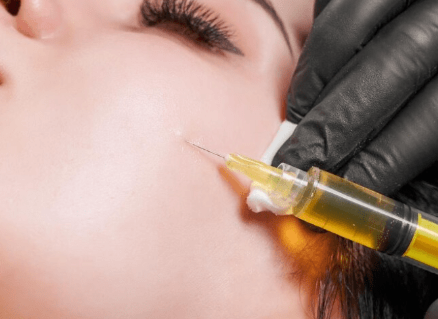
Localized PRP (Platelet-Rich Plasma) Subcision Therapy is a regenerative scar treatment offered in Korean dermatology clinics, ideal for patients with tethered and depressed acne scars.
This approach combines subcision, where a fine needle or blunt cannula mechanically breaks the fibrotic bands pulling scars downward, with PRP injections (concentrated growth factors derived from the patient’s own blood) directly into the subcised area.
The dual effect of scar release and biological regeneration not only lifts depressed scars but also stimulates collagen, accelerates healing, reduces inflammation, and minimizes the risk of scar re-tethering. In Korea, PRP subcision is often combined with microneedling RF, fractional CO₂ lasers, or exosome boosters for enhanced outcomes.
Purpose & Benefits
- Scar Release: Subcision mechanically frees tethered scars.
- Collagen Stimulation: PRP activates fibroblasts for long-term scar remodeling.
- Healing Acceleration: Growth factors speed tissue recovery and reduce downtime.
- Anti-Inflammatory Effect: Calms redness and irritation at treated sites.
- Scar Recurrence Prevention: PRP helps prevent fibrous bands from re-forming.
- Natural & Safe: Autologous PRP eliminates allergy risks.
Ideal Candidates
Localized PRP Subcision Therapy in Korea is recommended for:
- Patients with rolling, tethered, or shallow boxcar scars.
- Individuals seeking a natural, regenerative solution without synthetic fillers.
- Patients with sensitive skin prone to PIH (post-inflammatory hyperpigmentation).
- Those who want both scar release and long-term collagen improvement.
- Patients undergoing multi-step scar treatment programs in Korea.
Possible Risks & Complications
PRP subcision is considered safe, but mild effects may include:
- Temporary Redness & Swelling at injection and subcision sites.
- Mild Bruising (resolves in 3–7 days).
- Tenderness or Tightness for a few days.
- Minimal Risk of PIH compared to more aggressive treatments.
Since PRP is derived from the patient’s own blood, allergic reactions are virtually nonexistent.
Surgical Techniques Used
- Subcision: A fine needle or microcannula is used to release fibrous scar tissue.
- PRP Preparation: Blood drawn from the patient, centrifuged to extract concentrated platelet-rich plasma.
- Localized PRP Injection: PRP injected into subcised areas to promote collagen, healing, and tissue regeneration.
- Combination Care: Korean clinics often pair PRP subcision with fractional lasers, microneedling RF, or exosome serums for maximum results.
Protocol: Typically 2–3 sessions, spaced 1–2 months apart.
Recovery & Aftercare
Immediately: Mild swelling, redness, and pinpoint bleeding.
1–3 Days: Redness and swelling subside; bruising may appear.
1–2 Weeks: Scars begin to look less deep; skin feels smoother.
1–3 Months: Collagen remodeling continues, improving overall skin texture.
Aftercare Tips:
- Apply cold compress for swelling during first 24 hours.
- Avoid strenuous workouts, saunas, and alcohol for 2–3 days.
- Use SPF 50+ sunscreen daily to prevent pigmentation.
- Avoid harsh skincare (retinoids, strong acids, scrubs) for 5–7 days.
Results & Longevity
- After 1 Session: Scars appear lifted, skin feels firmer.
- After 2–3 Sessions: Noticeable improvement in scar depth, texture, and tone.
- Long-Term: Collagen regeneration continues for 6–12 months, with lasting results.
- Maintenance: Annual sessions may be recommended for stubborn scars.
Treatment Process in Korea
Consultation & Scar Mapping
Dermatologist evaluates scar types (rolling, boxcar, tethered) and determines PRP suitability.
Preparation
Blood sample drawn; numbing cream applied to treatment area.
Subcision + PRP Injection Session
- Step 1: Subcision performed to release scar tissue.
- Step 2: PRP prepared via centrifugation.
- Step 3: PRP injected directly beneath released scars.
- Step 4: Cooling mask or LED healing applied.
Duration: 45–60 minutes.
Why Korea is a Top Destination
- Regenerative Expertise: Korea integrates PRP with scar subcision for natural healing.
- Combination Packages: Often includes lasers, RF microneedling, or PDRN boosters.
- Safe for Asian Skin: Gentle protocols minimize PIH risk.
- Scar-Free Healing Philosophy: Emphasis on smooth, natural outcomes.
- Affordable Regenerative Care: Premium PRP subcision offered at lower costs than Western markets.
Cost Range (Estimated)
- Single PRP Subcision Session: USD 300 – 600
- Subcision + PRP + LED/Soothing Care: USD 400 – 700
- Comprehensive Scar Program (Subcision + PRP + Laser/Boosters): USD 800 – 1,800 per session
Example Korean Packages:
- Standard Program (1 session): USD 350 – 600
- Advanced Program (2 sessions with resurfacing add-ons): USD 900 – 1,400
- Premium Program (2–3 sessions with exosomes/Rejuran + fractional CO₂ laser): USD 1,800 – 3,200
Popular Clinics in Seoul
- Oracle Dermatology: Localized PRP subcision with LED healing.
- Banobagi Dermatology: PRP subcision combined with fractional laser resurfacing.
- Renewme Skin Clinic: PRP subcision with PDRN and regenerative boosters.
- View Dermatology: Multi-step scar packages with PRP subcision + microneedling RF.
- Chaum Anti-Aging Center: Premium scar revision with PRP subcision + exosome therapy.


