
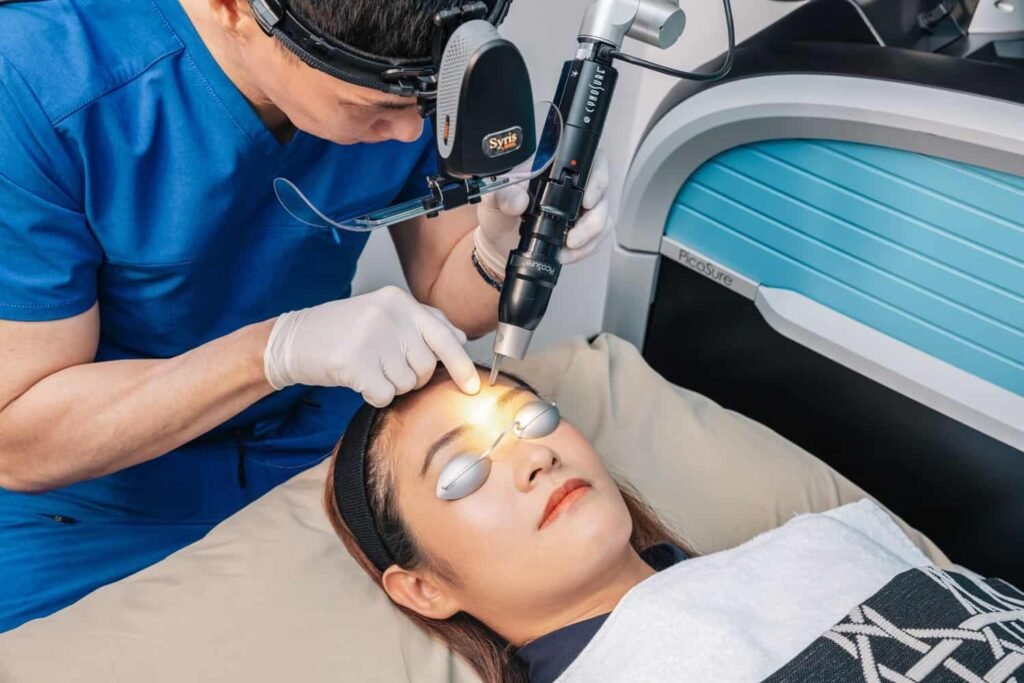
Pico Laser is one of the most advanced and effective treatments for pigmentation removal offered by Korean dermatology clinics. For medical tourists, it provides quick results with minimal downtime—making it perfect for short trips. However, while the laser session may be brief, maintaining clear, radiant skin requires proper long-term aftercare.
This guide outlines how international patients can take care of their skin after returning home, with recommendations from Korea’s leading dermatologists.
🔍 Why Long-Term Aftercare Matters Post-Pico Laser
After the Pico Laser treatment, your skin undergoes a rejuvenation process. The laser breaks pigment particles into microscopic fragments, which the body clears over time. But even after visible pigmentation fades, your skin remains sensitive to sun, irritation, and inflammation for several weeks.
Proper long-term care:
- Ensures stable results
- Prevents pigment recurrence
- Supports collagen regeneration
- Enhances skin texture and brightness
📅 What Korean Dermatologists Recommend After Returning Home
1. Commit to High-SPF Sun Protection (Forever!)
Sun exposure is the #1 cause of pigmentation relapse after laser. Korean clinics universally stress the need for:
- SPF 50+ broad-spectrum sunscreen daily
- Reapplying every 2–3 hours when outdoors
- Wearing wide-brimmed hats and sunglasses
- Using sunblock indoors if near windows or screens
“Even mild UV exposure can trigger pigment cells to reactivate. We always tell international patients: sunscreen is your long-term prescription.” – Dr. Seo Ji-Eun, Dermatologist, Seoul
2. Gentle Skincare Maintenance
Skip harsh ingredients for at least 4–6 weeks post-treatment, including:
- Retinoids
- Exfoliating acids (AHAs/BHAs)
- Vitamin C (high concentration)
Instead, use:
- Fragrance-free hydrating cleansers
- Barrier-repair moisturizers with ceramides or panthenol
- Calming serums with centella asiatica, madecassoside, or snail mucin (K-beauty staples)
3. Brightening Serums to Maintain Results
After your skin heals (~2 weeks), you can begin using gentle brightening agents to keep pigmentation from returning:
- Niacinamide (Vitamin B3) – reduces melanin production
- Arbutin or Tranexamic Acid – fades dark spots safely
- Azelaic Acid – fights inflammation and discoloration
Korean clinics often provide a home-care kit for medical tourists, which may include customized serums or creams to be used for up to 3 months.
4. Avoid Triggers for Pigment Rebound
Pigmentation (especially melasma) is chronic and can relapse with:
- Hormonal fluctuations (birth control, pregnancy)
- Heat and friction (saunas, intense exercise)
- Inflammation (acne, eczema, scratching)
Tips:
- Stay cool and well-hydrated
- Treat acne or skin issues promptly
- Use cooling masks or aloe gels if your skin feels hot
5. Schedule Virtual Follow-Up Consultations
Many Korean clinics now offer post-care support through video calls or WhatsApp for international patients. Use these services to:
- Share progress photos
- Ask about new skincare products
- Book additional sessions if needed
💡 Some clinics even offer repeat treatment packages for returning tourists with special rates and planning assistance.
🧳 What to Bring Home After Treatment
Before flying back, ask your clinic for:
- Treatment summary report (in English)
- Photos before and after
- Recommended skincare routine (products with instructions)
- Contact info for remote follow-ups
- Prescription creams (if applicable, like hydroquinone or anti-inflammatory gels)
🧴 Sample Long-Term Skincare Routine (Weeks 2–8)
| Step | Product Type | Recommended Ingredients |
|---|---|---|
| 1 | Gentle Cleanser | pH-balanced, non-foaming |
| 2 | Hydrating Toner | Hyaluronic acid, panthenol |
| 3 | Soothing Serum | Centella asiatica, licorice root |
| 4 | Moisturizer | Ceramides, squalane |
| 5 | Sunscreen (AM) | SPF 50+, PA++++ |
| 6 | Night Cream (PM) | Niacinamide, tranexamic acid (optional) |
💡 Pro Tips from Korean Dermatologists
- Don’t overdo skincare—simplicity is best during healing
- Don’t rush to exfoliate or peel—let skin renew naturally
- Consider monthly online skin check-ins with your Korean doctor if you plan repeat treatments
- Use a cool mist humidifier at home to keep skin hydrated
🌍 Long-Term Care Across Borders: How Korea Supports You After You Leave
Top clinics in Seoul and Busan are now offering:
- International shipping of clinic-grade products
- Personalized digital skincare plans
- Loyalty programs for returning medical tourists
- In-language follow-up care (English, Mandarin, Arabic, etc.)
✅ Summary: Long-Term Care Checklist for Medical Tourists
| Task | Recommendation |
|---|---|
| Daily Sun Protection | SPF 50+, even indoors |
| Skincare Routine | Gentle, hydrating, no actives for 2+ weeks |
| Brightening Maintenance | Add niacinamide, arbutin after skin calms |
| Avoid Triggers | No sauna, sun, acne picking |
| Clinic Support | Keep in touch for product refills & check-ins |


