
Treatment Overview
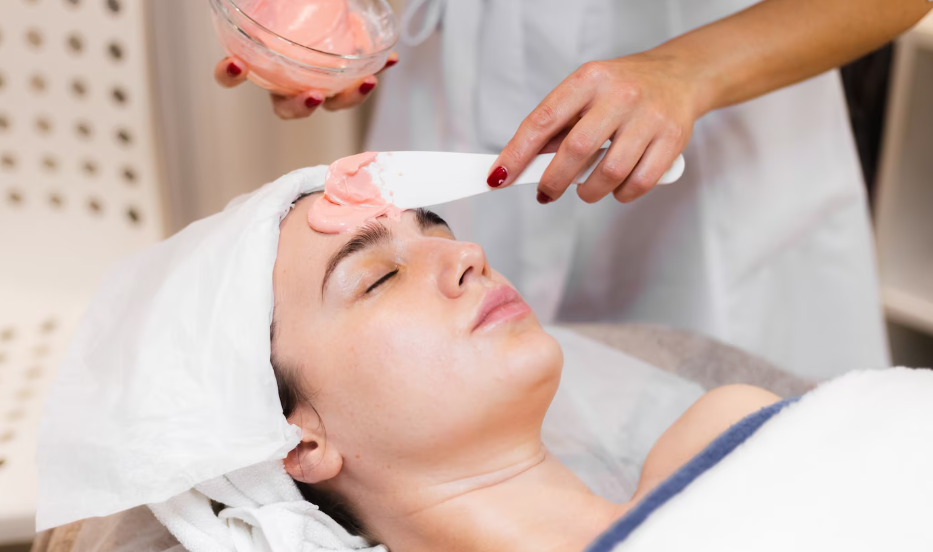
Lotus Bloom Peel is a gentle Korean chemical peel treatment inspired by the purity and radiance of the lotus flower, symbolizing renewal and clarity. This treatment combines AHAs (glycolic, lactic), BHAs (salicylic acid), PHAs, and natural lotus flower extracts with brightening agents such as niacinamide and vitamin C. The formula promotes gentle exfoliation, deep hydration, and skin brightening while soothing inflammation.
Unlike harsh resurfacing peels, Lotus Bloom Peel is designed for delicate, glow-focused renewal, making it ideal for patients seeking radiant, healthy skin with minimal downtime.
Purpose & Benefits
- Radiant Glow: Revives dull skin with lotus-powered brightness.
- Gentle Exfoliation: Removes dead skin cells for a silky finish.
- Hydration Boost: Infuses HA and botanical essences for plumpness.
- Even Skin Tone: Reduces pigmentation, sun damage, and discoloration.
- Pore Refinement: Clears clogged pores and minimizes their appearance.
- Fine Line Reduction: Improves early wrinkles and dryness.
- Skin Harmony: Calms redness and restores balance.
Ideal Candidates
- Adults with dull, dehydrated, or uneven skin tone.
- Patients with sensitive or combination skin seeking a mild peel.
- Individuals dealing with pigmentation, acne marks, or fine lines.
- Men and women preparing for events or regular glow maintenance.
- Those who prefer a natural-inspired peel with hydrating benefits.
Possible Risks & Complications
- Mild redness or tingling for a few hours.
- Temporary flaking or peeling (3–5 days).
- Rare irritation in very sensitive skin.
- Minimal risk of hyperpigmentation if SPF is not used.
Techniques Used
- Lotus Bloom Formula: Blend of AHA, BHA, PHA, brightening agents, and lotus extracts.
- Layered Application: Applied in light layers depending on skin needs.
- Neutralization & Nourishment: Peel is neutralized, followed by calming and hydrating serums.
- Optional Enhancements: Often paired with LED light therapy, PRP, or exosome boosters for long-lasting glow.
Recovery & Aftercare
Day 1–2: Mild redness or tightness.
Day 3–5: Gentle peeling as skin sheds old cells.
Week 1–2: Skin appears smoother, brighter, and refreshed.
Aftercare Guidelines:
- Apply hydrating creams and barrier serums daily.
- Avoid retinol or exfoliants for 1 week.
- Always use SPF to protect renewed skin.
- Avoid sauna, alcohol, or intense workouts for 24–48 hours.
- Drink water and use soothing serums for best results.
Results & Longevity
- Immediate: Fresher, softer skin after treatment.
- Short-Term: Glow and clarity visible within 1 week.
- Long-Term: With regular sessions, pigmentation lightens and skin maintains a lotus-like radiance.
Treatment Process in Korea
Korea is internationally admired for natural ingredient–based skincare innovations, and Lotus Bloom Peel embodies this philosophy with a botanical, glow-enhancing approach.
Consultation & Skin Analysis
Dermatologists assess skin type, hydration, and sensitivity using digital imaging. A custom Lotus Bloom Peel formula is chosen.
Treatment Day
Peel is applied in layers, left briefly, then neutralized and followed with hydrating serums and lotus-infused essences. Session: 20–30 minutes.
Post-Treatment Care
Cooling masks or LED therapy may be included to enhance recovery. Patients typically resume normal activities immediately with light peeling in the following days.
Why Korea is a Top Destination
- Access to botanical-inspired peels like Lotus Bloom.
- Dermatologists skilled in gentle, glow-focused renewal.
- Treatments emphasize hydration + radiance, not aggressive peeling.
- Affordable compared to Western clinics while offering premium standards.
- Clinics provide English-speaking staff, natural-inspired aftercare, and global patient services.
Cost Range
The cost of Lotus Bloom Peel in Korea varies depending on clinic and package:
- Single Session: ₩90,000 – ₩160,000 (~USD $70–$125).
- 3-Session Package: ₩250,000 – ₩450,000 (~USD $190–$345).
- Premium Package (Lotus Bloom Peel + LED / PRP / Exosomes): ₩450,000 – ₩750,000 (~USD $345–$575).
Additional Costs:
- Consultation & Imaging: ₩20,000 – ₩40,000 (~USD $15–$30).
- Aftercare skincare (SPF, hydrating serums, soothing creams): ₩30,000 – ₩80,000 (~USD $25–$60).
Popular Clinics
- Banobagi Plastic Surgery (Seoul): Known for luxury glow peel programs.
- ID Dermatology (Seoul): Offers Lotus-inspired brightening and renewal peels.
- View Clinic (Seoul): Combines Lotus Bloom Peel with PRP or exosome boosters.
- JW Plastic Surgery (Seoul): Premium glow and anti-aging peel packages.
- Oracle Skin Clinic (Nationwide): Affordable, international-friendly peel services.


