
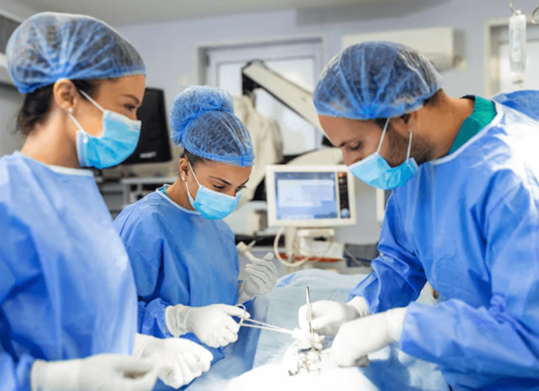
Treatment Overview
Low-Incision Laparoscopic Myomectomy in Korea is an advanced, minimally invasive surgical technique designed to remove uterine fibroids with maximum precision while minimizing surgical trauma, scarring, and recovery time. This approach uses state-of-the-art laparoscopic technology with strategically placed low abdominal incisions, allowing for both aesthetic benefits and superior healing. Korea is internationally recognized for pioneering such techniques, combining surgical innovation, expert care, and cutting-edge facilities to deliver exceptional results.
Uterine fibroids — benign tumors of the uterine muscle — are a common condition among women of reproductive age, causing symptoms such as heavy menstrual bleeding, pelvic pain, infertility, and pressure on adjacent organs. Low-incision laparoscopic myomectomy offers a targeted and precise method for removing fibroids, ensuring preservation of uterine structure and reproductive potential while enhancing recovery.
Leading Korean hospitals such as Samsung Medical Center, Asan Medical Center, Severance Hospital, CHA Bundang Women’s Hospital, and Ewha Womans University Mokdong Hospital provide this advanced surgical option with specialized expertise, patient-centered care, and a focus on optimal outcomes.
Purpose & Benefits
The goal of Low-Incision Laparoscopic Myomectomy is to deliver effective fibroid removal with minimal invasiveness, reduced postoperative discomfort, and an enhanced recovery experience. This approach not only prioritizes precision but also patient satisfaction, especially in terms of aesthetic results and recovery quality.
Key benefits include:
- Minimized Scarring: Low abdominal incisions are cosmetically discreet and promote faster healing.
- Precision Surgery: High-definition laparoscopic imaging allows targeted removal of fibroids while sparing healthy tissue.
- Reduced Pain: Smaller incisions result in less postoperative discomfort.
- Fertility Preservation: Maintains uterine integrity for future pregnancies.
- Faster Recovery: Most patients return to normal activities within one to two weeks.
- Short Hospital Stay: Many patients are discharged within 24–48 hours.
- Lower Risk of Adhesion Formation: Smaller incisions and refined techniques reduce scar tissue risk.
Korea’s low-incision laparoscopic myomectomy represents the cutting edge of minimally invasive gynecologic surgery, combining medical precision with patient-centered care.
Ideal Candidates
Low-Incision Laparoscopic Myomectomy is suitable for women with symptomatic uterine fibroids who want an advanced surgical solution that minimizes invasiveness and enhances recovery. Ideal candidates include:
- Women experiencing heavy menstrual bleeding, pelvic pain, or pressure symptoms caused by fibroids.
- Patients with infertility associated with fibroids.
- Women who wish to preserve their uterus and fertility.
- Individuals with fibroids suitable for laparoscopic removal in terms of size, number, and location.
- Patients seeking a procedure with cosmetic advantages and minimal recovery time.
Before surgery, Korean gynecologic specialists perform a thorough preoperative evaluation using ultrasound and MRI to ensure accurate surgical planning and optimal results.
Possible Risks & Complications
Although Low-Incision Laparoscopic Myomectomy is considered safe and effective, patients should be aware of potential risks:
- Bleeding: Rare but possible; transfusion may be required in rare cases.
- Infection: Minimal risk, mitigated by sterile surgical technique.
- Adhesion Formation: Scar tissue may develop, potentially affecting fertility.
- Injury to Surrounding Organs: Rare, but possible; minimized by high-precision laparoscopic techniques.
- Fibroid Recurrence: Fibroids may recur over time, requiring additional treatment.
Korean hospitals mitigate these risks through advanced technology, careful surgical technique, and thorough postoperative follow-up.
Techniques Used
Low-Incision Laparoscopic Myomectomy in Korea utilizes advanced surgical tools and techniques to maximize precision and minimize invasiveness:
- High-Definition Laparoscopy: Provides magnified, detailed views for accurate fibroid excision.
- Strategic Low Incisions: Small incisions positioned for optimal cosmetic results and quick healing.
- Advanced Energy Devices: Reduce bleeding and protect healthy tissue.
- Morcellation: Allows safe removal of larger fibroids through small incisions.
- Precision Suturing: Restores uterine integrity for fertility preservation.
- Preoperative Imaging: MRI and ultrasound mapping to guide a tailored surgical plan.
- Enhanced Recovery Protocols: Pain management, early mobilization, and structured aftercare for faster healing.
This combination ensures a precise, safe, and patient-focused procedure with optimal outcomes.
Recovery & Aftercare
Recovery from Low-Incision Laparoscopic Myomectomy is generally quick and comfortable compared to traditional open surgery. Most patients resume daily activities within one to two weeks.
Aftercare typically includes:
- Postoperative monitoring and follow-up visits.
- Pain management tailored to patient needs.
- Guidance on physical activity restrictions during recovery.
- Fertility counseling for patients planning pregnancy.
- Periodic imaging to monitor for fibroid recurrence.
Korean hospitals emphasize comprehensive aftercare, including emotional support, to ensure optimal recovery.
Results & Longevity
Low-Incision Laparoscopic Myomectomy offers long-term benefits, including relief from fibroid-related symptoms, improved menstrual health, and preserved fertility. When performed with precision, recurrence rates are low.
Studies in Korean medical centers have shown high patient satisfaction, faster return to daily life, and excellent reproductive outcomes for women who undergo this procedure. Regular follow-up imaging and consultations are recommended to maintain uterine health.
Treatment Process in Korea
- Initial Consultation: Evaluation of symptoms, imaging results, and fertility goals.
- Customized Surgical Planning: Individualized strategy based on fibroid mapping and patient needs.
- Surgical Procedure: Low-incision laparoscopic myomectomy performed under general anesthesia.
- Recovery Protocol: Structured care for rapid healing and minimal discomfort.
- Follow-Up: Imaging and consultations to confirm complete recovery.
Korean hospitals ensure this process is patient-centered, efficient, and optimized for both medical and aesthetic results.
Cost Range
Costs for Low-Incision Laparoscopic Myomectomy in Korea vary depending on complexity and hospital reputation:
- Standard Laparoscopic Myomectomy: ₩4,000,000 – ₩7,000,000 KRW ($3,000 – $5,200 USD)
- Low-Incision Laparoscopic Myomectomy: ₩6,000,000 – ₩10,000,000 KRW ($4,500 – $7,500 USD)
- Comprehensive Low-Incision Myomectomy Package: ₩8,000,000 – ₩13,000,000 KRW ($6,000 – $9,800 USD)
These costs reflect Korea’s advanced surgical expertise and technology.
Popular Clinics for Low-Incision Laparoscopic Myomectomy in Korea
- Samsung Medical Center – Known for advanced minimally invasive gynecologic surgery.
- Asan Medical Center – Experts in precision laparoscopic myomectomy with cosmetic focus.
- Severance Hospital – Specialized in fertility-preserving myomectomy approaches.
- CHA Bundang Women’s Hospital – Offers innovative low-incision laparoscopic techniques.
- Ewha Womans University Mokdong Hospital – Provides patient-centered surgical care with advanced technology.


