
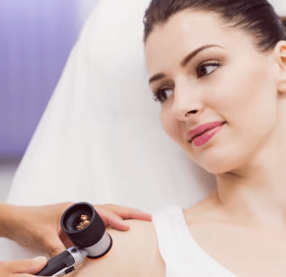
Treatment Overview
Low-Level Laser Therapy (LLLT) is a non-invasive dermatology treatment increasingly used in Korea to manage seborrheic dermatitis, particularly in cases involving the scalp and face. Unlike high-powered vascular lasers, LLLT uses low-intensity red or near-infrared light to modulate cellular activity, reduce inflammation, and normalize skin function.
In Korean dermatology, LLLT is often performed with scalp laser hoods, handheld probes, or facial laser devices, and is usually included in multi-step dermatitis care programs alongside antifungal shampoos, medicated creams, or soothing infusions.
For seborrheic dermatitis, LLLT:
- Reduces inflammation and redness.
- Helps regulate sebaceous gland activity.
- Improves microcirculation and healing.
- Enhances scalp and skin balance to minimize flare-ups.
Purpose & Benefits
- Anti-Inflammatory Effect: Calms redness, irritation, and swelling.
- Sebum Regulation: Helps normalize overactive oil glands.
- Improved Healing: Stimulates microcirculation for better recovery.
- Non-Invasive & Gentle: Safe for sensitive, rosacea-prone, or dermatitis-affected skin.
- Combination-Friendly: Works alongside antifungal creams, shampoos, and cooling therapies.
- Maintenance Therapy: Useful for long-term management of recurrent flares.
Ideal Candidates
LLLT in Korea is recommended for:
- Patients with scalp seborrheic dermatitis involving redness, itching, and flaking.
- Individuals with facial seborrheic dermatitis aggravated by excess oil.
- Adults with sensitive skin seeking a non-drug therapy.
- Patients who want adjunctive treatment with antifungal medications.
- Those looking for preventive maintenance to reduce relapses.
Comparison with Other Treatments
- Low-Level Laser Therapy: Best for inflammation reduction and sebaceous balance.
- LED Blue Light Therapy: Targets yeast overgrowth and surface inflammation.
- Ketoconazole / Ciclopirox Shampoos: Direct antifungal action for scalp.
- Hydrocortisone Cream: Quick flare control but limited to short-term use.
- Calcineurin Inhibitors (Tacrolimus, Pimecrolimus): Steroid-sparing alternative for face.
- Barrier Therapy (Panthenol, Centella, Propolis): Strengthens skin but less effect on oil control.
Possible Risks & Complications
LLLT is considered safe, but mild effects may include:
- Temporary Warmth or Tingling: During the session.
- Mild Redness: Short-lived, usually resolves within hours.
- Variable Results: Best used as supportive therapy, not standalone.
Treatment Techniques Used
- Laser Hoods / Caps: Common for scalp seborrheic dermatitis.
- Handheld Probes: Used for targeted areas on the face or hairline.
- Session Duration: 10–20 minutes.
- Frequency: 1–2 times per week during flare-ups, then maintenance every few weeks.
- Combination Protocols: Often paired with antifungal care, scalp scaling, or cooling infusions.
Recovery & Aftercare
- Immediately: Calmer skin with less irritation.
- 1–2 Days: Reduced itching, oiliness, and sensitivity.
- Weeks of Consistency: Healthier scalp/skin with fewer flare-ups.
Aftercare Tips:
- Use dermatologist-recommended antifungal creams or shampoos alongside LLLT.
- Maintain a gentle skincare routine to avoid barrier disruption.
- Apply SPF 50+ sunscreen if treating facial areas.
- Avoid excessive heat or friction on treated areas.
Results & Longevity
- Short-Term (After 1–2 Sessions): Skin feels calmer, itching decreases.
- Medium-Term (4–6 Sessions): Noticeable improvement in scaling, redness, and sebum control.
- Long-Term: Maintenance sessions every 2–4 weeks help sustain results and prevent relapses.
Treatment Process in Korea
- Consultation & Diagnosis – Dermatologist examines scalp or facial involvement.
- Preparation – Cleansing, scalp scaling, or exfoliation if needed.
- LLLT Session – Red/near-infrared low-level laser applied for 10–20 minutes.
- Optional Add-Ons – Antifungal application, cooling therapy, or barrier infusion.
- Post-Care – Hydration with Centella, panthenol, or propolis creams.
- Follow-Up – Regular sessions scheduled for flare control or prevention.
Why Korea is a Top Destination
- Korea specializes in light-based dermatology solutions for chronic conditions.
- Clinics use FDA- and KFDA-approved LLLT devices tailored for scalp and facial care.
- Emphasis on multi-step dermatitis programs (antifungal + laser + cooling + barrier therapy).
- Affordable compared to Western dermatology centers.
- Recognized for advanced scalp and hair-focused dermatology clinics.
Cost Range (Detailed Breakdown)
Pricing for LLLT in Korea for seborrheic dermatitis:
- Single LLLT Session: USD 60 – 150.
- 4–6 Session Package: USD 300 – 700.
- Premium Seborrheic Dermatitis Program (LLLT + Antifungal + Cooling Care): USD 800 – 1,800 (4–6 sessions).
Additional Costs in Korea:
- Consultation: USD 20 – 40.
- Add-ons (Centella infusion, scalp cooling masks, hyaluronic boosters): USD 80 – 200.
- Maintenance shampoos/creams: USD 20 – 60.
💡 Patients often call LLLT the “gentle light therapy”, since it calms inflammation and restores balance without harsh medications.
Popular Clinics in Seoul
- Oracle Dermatology – LLLT scalp and facial programs with antifungal integration.
- Banobagi Dermatology – Scalp-focused dermatitis care with LLLT + medicated shampoos.
- Renewme Skin Clinic – Combination protocols: LLLT + barrier-repair infusions.
- View Plastic & Dermatology – LLLT with scalp scaling and cooling care.
- Chaum Anti-Aging Center – Premium seborrheic dermatitis packages with LLLT, infusions, and luxury barrier support.


