
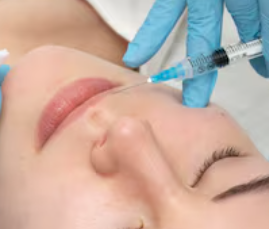
Treatment Overview
The lower face, including the jawline, chin, and perioral area, is highly prone to signs of aging such as fine lines, sagging, and skin dehydration. These changes can lead to a tired or aged appearance, even when the upper face remains youthful. In Korea, Lower Face Skin Booster Injections have become a popular non-surgical solution to improve skin hydration, elasticity, and overall texture, restoring a refreshed and youthful look.
Skin boosters are hyaluronic acid-based microinjections that work in the dermis to deeply hydrate, stimulate collagen production, and enhance skin elasticity. Unlike traditional fillers that focus on volume, skin boosters aim to enhance skin quality, smoothness, and hydration, offering subtle and natural results. Korea is internationally renowned for advanced injection techniques, aesthetic precision, and innovative dermatology treatments, making it a top destination for lower face rejuvenation.
Purpose & Benefits
The primary goal of lower face skin boosters is to restore hydration, firmness, and smoothness in the jawline, chin, and surrounding areas.
Key benefits include:
- Deep hydration to reduce dryness and fine lines
- Improved elasticity and firmness of the skin
- Smoother texture and reduced early sagging
- Stimulated collagen production for long-lasting rejuvenation
- Enhanced contour and subtle definition of the lower face
- Non-surgical procedure with minimal downtime
- Natural results without overfilling or artificial appearance
This treatment is ideal for individuals seeking gradual, natural rejuvenation rather than dramatic structural changes.
Ideal Candidates
Ideal candidates for lower face skin booster injections include:
- Adults with dry, aged, or lax skin in the lower face
- Individuals looking for non-surgical rejuvenation
- Patients desiring gradual, subtle improvements in skin texture and firmness
- Those in good overall health with realistic expectations
Patients with active infections, allergies to hyaluronic acid, or who are pregnant or breastfeeding should avoid treatment.
Possible Risks & Side Effects
Skin booster injections are generally safe when administered by trained dermatologists. Minor side effects may include:
- Redness, swelling, or tenderness at injection sites
- Mild bruising
- Temporary discomfort
- Rare allergic reactions
Korean clinics minimize risks through microinjection techniques, strict sterile procedures, and careful post-treatment care instructions, ensuring safety and effective results.
Techniques Used in Korea
Korean dermatologists are known for precision and innovation in injectable treatments. Techniques for lower face skin boosters include:
- Microinjections evenly distributed along the jawline, chin, and perioral area for uniform hydration
- Customized treatment mapping to target fine lines, sagging, and skin texture improvements
- Combination therapies, such as PRP or laser resurfacing, to enhance collagen stimulation and skin rejuvenation
- Multiple-session approach, typically 2–3 treatments spaced 3–4 weeks apart, for optimal and long-lasting results
These methods ensure hydrated, firmer, and smoother lower-face skin while maintaining a natural appearance.
Recovery & Aftercare
Recovery is minimal, allowing patients to resume daily activities immediately. Recommended aftercare includes:
- Avoid rubbing or applying pressure to the treated area for 24 hours
- Avoid strenuous activity, saunas, or direct sun exposure for 24–48 hours
- Apply gentle moisturizer and sunscreen to protect the treated skin
- Attend follow-up visits to monitor results and schedule additional sessions if needed
Mild swelling or redness usually resolves within a few days.
Results & Longevity
Lower face skin boosters provide gradual and cumulative improvement:
- Initial hydration and smoother skin visible within 1–2 weeks
- Full results typically appear after 2–3 sessions
- Effects last 6–12 months, depending on individual skin condition and maintenance
Regular maintenance treatments help sustain hydration, elasticity, and youthful appearance over time.
Treatment Process in Korea
- Consultation & assessment – Evaluate skin hydration, texture, and fine lines in the lower face
- Cleansing & numbing – Topical anesthetic applied for comfort
- Injection session – Hyaluronic acid-based skin boosters administered via fine microinjections
- Post-injection care – Instructions for hydration, sun protection, and gentle massage
- Follow-up sessions – Typically 2–3 treatments for optimal results
Korean clinics are internationally recognized for their expertise, precision, and advanced techniques, making Korea a leading destination for lower face skin rejuvenation.
Cost of Lower Face Skin Booster Injections in Korea
Costs vary depending on clinic reputation and number of sessions:
- Per session: 500,000 – 900,000 KRW (USD $375 – $675)
- Full course (2–3 sessions): 1,000,000 – 2,400,000 KRW (USD $750 – $1,800)
Top Clinics in Korea
- Banobagi Dermatology & Plastic Surgery – Experts in lower-face skin booster injections
- Oracle Dermatology Clinic – Known for personalized aesthetic treatment plans
- Cinderella Clinic – Specialists in subtle and natural lower-face rejuvenation
- ID Dermatology – Leaders in non-surgical injectable treatments
- REGEN Dermatology Clinic – Renowned for advanced skin hydration therapies


