
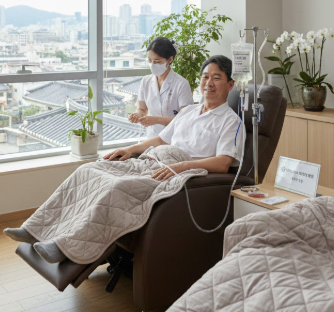
Treatment Overview
Maintenance BCG (Bacillus Calmette-Guérin) therapy is an advanced immunotherapy for non-muscle invasive bladder cancer (NMIBC) that follows initial BCG induction therapy. This approach involves periodic intravesical BCG instillations over months to years to maintain an active immune response against bladder cancer cells, reduce recurrence, and prevent disease progression. Korea is recognized for its expertise in BCG maintenance protocols, delivering precise dosing, careful monitoring, and individualized scheduling to maximize efficacy while minimizing side effects. Hospitals integrate cystoscopic guidance and patient-centered care for both local and international patients.
Purpose & Benefits
The primary purpose of maintenance BCG therapy is to sustain immune system activation within the bladder, ensuring long-term prevention of tumor recurrence. Benefits include:
- Significant reduction in NMIBC recurrence rates
- Prevention of progression to muscle-invasive disease
- Preservation of bladder function and quality of life
- Outpatient-based therapy with minimal systemic side effects
- Safe integration with prior TURBT or initial BCG induction therapy
Korean hospitals personalize maintenance schedules based on tumor risk, patient response, and overall health to achieve optimal results.
Ideal Candidates
Ideal candidates include:
- Patients with high-risk NMIBC who have completed induction BCG therapy
- Individuals with carcinoma in situ (CIS) or multiple high-grade lesions
- Patients at high risk for recurrence or progression
- Those seeking bladder preservation rather than radical cystectomy
Patients with immune disorders, active urinary tract infections, or severe comorbidities require careful assessment before starting maintenance therapy. Korean specialists ensure all patients are suitable for ongoing intravesical treatment.
Possible Risks & Complications
Maintenance BCG therapy is generally safe, but potential side effects include:
- Bladder irritation, urgency, and frequency
- Dysuria (painful urination)
- Hematuria (blood in urine)
- Fever or flu-like symptoms
- Rare systemic infection if BCG bacteria spread
- Long-term bladder contracture (rare)
Korean hospitals monitor patients closely, adjust dosing if necessary, and provide supportive care to manage side effects.
Techniques & Technology Used
Korean centers use advanced techniques to ensure safe and effective maintenance therapy:
- Cystoscopic-guided catheterization for accurate BCG instillation
- Induction and maintenance schedule planning tailored to patient risk and response
- Combination with TURBT if residual tumors are detected
- Regular imaging and urine cytology to monitor recurrence
- Patient education and follow-up for optimal adherence and safety
These methods maximize immune response while reducing complications.
Treatment Process in Korea
The process for maintenance BCG therapy is structured and patient-friendly:
- Initial evaluation including cystoscopy, urine cytology, and imaging
- Assessment of induction BCG response
- Scheduled maintenance BCG instillations, typically monthly for up to 3 years (or per protocol)
- Regular cystoscopic follow-up to monitor recurrence
- Patient counseling on bladder care, symptom management, and lifestyle modifications
International patients receive multilingual support and coordinated outpatient schedules for seamless care.
Recovery & After-Care
Recovery is rapid since maintenance BCG is minimally invasive. Aftercare includes:
- Retaining BCG in the bladder for the prescribed dwell time (usually 2 hours)
- Staying well-hydrated to minimize irritation
- Avoiding sexual activity or strenuous activity during dwell time
- Reporting severe urinary symptoms or high fever immediately
- Regular follow-up cystoscopies to detect recurrence early
Telemedicine follow-up is available for international patients to ensure continuity of care.
Results & Longevity
Maintenance BCG therapy in Korea has demonstrated long-term effectiveness in preventing NMIBC recurrence and progression. Patients retain bladder function, experience minimal systemic side effects, and benefit from structured, evidence-based protocols. Continuous monitoring allows early intervention if recurrence occurs.
Why Korea Is a Top Destination
Korea is a preferred destination for maintenance BCG therapy due to:
- Highly experienced urologists specialized in NMIBC and immunotherapy
- Advanced cystoscopic and delivery technology for precise instillation
- Integration of TURBT and BCG protocols for optimal results
- Efficient outpatient treatment and short waiting times
- Multilingual coordination and support for international medical tourists
- Cost-effective treatment compared with Western countries without compromising quality
Patients benefit from high-quality care, advanced technology, and structured follow-up plans.
Cost Range
The cost of maintenance BCG therapy in Korea typically ranges from USD 2,000 to USD 5,000 per maintenance cycle, depending on:
- Number of instillation sessions
- Hospital category and facility fees
- Combination with TURBT or additional monitoring procedures
- Follow-up cystoscopies and imaging
Hospitals provide transparent packages for international patients covering all essential treatment steps.
Popular Clinics in Korea
- Asan Medical Center – Urology & Bladder Cancer Clinic
- Seoul National University Hospital – NMIBC Immunotherapy Program
- Samsung Medical Center – BCG Maintenance Therapy Unit
- Severance Hospital (Yonsei University) – Bladder Cancer Center
- Korea University Anam Hospital – Outpatient Uro-Oncology Clinic
- Seoul St. Mary’s Hospital – BCG Therapy & Monitoring Clinic


