
Treatment Overview
Male urinary incontinence is a condition involving involuntary leakage of urine, often linked to prostate issues, aging, pelvic floor weakness, neurological disorders, or post-surgery side effects. Korea offers one of the most advanced and reliable medical systems for diagnosing and evaluating urinary incontinence in men. With world-class diagnostic technology, skilled urologists, and comprehensive care programs, patients can expect accurate assessments and personalized treatment recommendations.
Korean hospitals emphasize early and precise evaluation using cutting-edge tools, ensuring men receive the most effective treatment for their specific type of incontinence.
Purpose & Benefits
H5 Key benefits of male incontinence evaluation in Korea include:
- Accurate identification of the type and cause of incontinence
- Early detection of underlying issues like prostate enlargement, prostate cancer, or neurological problems
- Customized treatment strategies for long-term improvement
- Reduced embarrassment and restored confidence
- Improved bladder control and daily comfort
- Access to world-leading urology specialists
Proper evaluation is the first and most important step toward successful treatment.
Ideal Candidates
H5 Men are ideal candidates if they:
- Experience accidental leakage during physical activity
- Have a sudden urge to urinate followed by leakage
- Have difficulty controlling urine after prostate surgery
- Frequently wake up to urinate at night
- Have weak or slow urine flow
- Experience dribbling after urination
- Have chronic prostate or bladder conditions
- Wish to undergo a thorough assessment using advanced diagnostics
International male patients benefit from Korea’s smooth medical tourism services and multilingual support.
Possible Risks & Complications
Diagnostic evaluations are generally safe and low-risk.
H5 Minor risks may include:
- Temporary discomfort during urodynamic testing
- Mild irritation after catheter-based tests
- Low risk of urinary tract infection
- Minor bruising from imaging sensors
- Rare allergic reaction to contrast materials
Korean hospitals follow strict hygiene and internationally approved safety guidelines to minimize complications.
Techniques & Technology Used
Korea is internationally recognized for its highly advanced diagnostic tools used in assessing male urinary incontinence.
H5 Common techniques include:
- Urodynamic Studies: Analyze bladder pressure, capacity, and muscle control
- Cystoscopy: Camera evaluation of urethra and bladder
- Bladder Ultrasound: Measures urine volume and bladder function
- Prostate Ultrasound (TRUS): Assesses prostate size and structure
- Urinalysis & Lab Tests: Checks for infection or blood in urine
- MRI or CT Scans: Used when neurological or structural issues are suspected
- Pad Test: Measures leakage severity
- Pelvic Floor Assessment: Determines muscle strength and coordination
These technologies allow Korean urologists to pinpoint the exact cause and type of incontinence, ensuring precise treatment planning.
Treatment Process in Korea
H5 Step 1: Initial Consultation
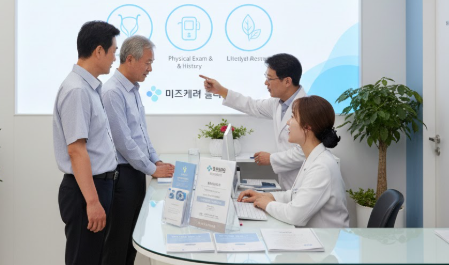
The urologist reviews symptoms, medical history, lifestyle habits, and prior treatments.
H5 Step 2: Physical Examination
Performed to check pelvic floor strength, prostate condition, and abdominal muscle support.
H5 Step 3: Diagnostic Testing
Urodynamic studies, urine analysis, ultrasound, cystoscopy, or neurological assessments are performed.
H5 Step 4: Evaluation & Diagnosis
The type of incontinence—stress, urge, overflow, functional, or mixed—is identified.
H5 Step 5: Treatment Planning
A personalized treatment plan is developed based on results, age, symptoms, and underlying causes.
H5 Step 6: Counseling & Recommendations
Doctors discuss treatment options such as pelvic therapy, medications, prostate treatment, nerve stimulation, or surgery.
H5 Step 7: Follow-Up Services
International patients receive detailed post-care guidance and optional remote consultations.
Recovery & After-Care
Recovery after evaluation is minimal since most tests are non-invasive.
H5 After-care recommendations:
- Drink plenty of water to reduce irritation after tests
- Avoid caffeine and alcohol for 24 hours if bladder tests were done
- Resume normal activities immediately unless otherwise advised
- Follow up on any abnormal test results promptly
- Continue recommended exercises or medications if prescribed
- Report discomfort or symptoms to the doctor
International patients often receive follow-up plans that can be continued in their home country.
Results & Longevity
Evaluation results allow doctors to:
- Identify the exact type of incontinence
- Detect early-stage prostate or bladder conditions
- Recommend long-term treatment strategies
- Prevent worsening of symptoms
- Guide patients toward targeted therapies with high success rates
Accurate diagnosis improves treatment outcomes significantly and helps men achieve long-lasting bladder control.
Why Korea Is a Top Destination
Korea is a global leader in men’s urinary and prostate health due to:
- Highly experienced urologists with specialized training
- Advanced diagnostic technology rarely available in many countries
- Efficient and fast evaluation system with minimal waiting times
- Affordable pricing compared to Western healthcare
- Patient-centered care with detailed explanations and comfort-focused testing
- Excellent medical tourism services, including translation and travel support
- Internationally accredited hospitals ensuring top-quality safety
Men from around the world trust Korea for accurate and effective urinary incontinence evaluation.
Cost Range
H5 Estimated evaluation costs in Korea:
- Initial Consultation: $40–$120
- Urinalysis & Basic Tests: $20–$80
- Bladder Ultrasound: $60–$120
- Urodynamic Testing: $200–$400
- Cystoscopy: $300–$600
- Prostate Ultrasound (TRUS): $100–$200
- MRI/Advanced Imaging: $300–$800
Medical tourism packages may include transportation, interpreters, and accommodation support.
Popular Clinics in Korea
Korea has several top-rated urology centers known for their expertise in male urinary incontinence evaluation:
- Seoul National University Hospital (SNUH)
- Samsung Medical Center
- Asan Medical Center
- Severance Hospital (Yonsei University)
- Wooridul Urology Clinic
- Seoul Urology Clinic
- CNU Hospital Urology Department
- Daegu Catholic University Medical Center
These facilities provide world-class diagnostic care with advanced equipment and internationally trained specialists.


